Business License
Key Considerations for the Application of Electronic Instrumentation Sensors
Electronic instrumentation sensors are critical components in modern technology, enabling precise measurements and data collection across various industries. However, their successful application depends on careful planning, proper installation, and ongoing maintenance. Below are key considerations to ensure optimal performance and reliability of electronic sensors.
Choosing the right sensor is the foundation of any successful application. Factors such as accuracy, precision, sensitivity, and response time must be evaluated based on the specific requirements of the application. Additionally, compatibility with the system's operating conditions, such as temperature, pressure, and humidity, must be considered. Selecting a sensor that aligns with the intended use ensures accurate data collection and minimizes errors.
2. Installation and PlacementThe physical placement of sensors is crucial for accurate measurements. Sensors should be positioned in areas where they are least affected by external interference, such as electromagnetic fields, vibrations, or temperature fluctuations. Proper mounting and securing are essential to prevent mechanical stress, which can compromise sensor performance. For example, sensors measuring temperature should be placed away from heat sources or cooling ducts.
Regular calibration is necessary to ensure that sensors provide accurate readings over time. Drift, wear, and environmental factors can affect sensor performance, so periodic checks and adjustments are required. Additionally, maintaining clean and intact sensor surfaces is vital, as dirt or damage can lead to inaccuracies. Proper documentation of calibration procedures and results should also be maintained for future reference.
4. Environmental FactorsEnvironmental conditions play a significant role in sensor performance. r performance. Extreme temperatures, humidity, dust, and chemical exposure can degrade sensor accuracy or longevity. Selecting sensors with appropriate environmental ratings and implementing protective measures, such as enclosures or shielding, can mitigate these risks. Understanding the operating environment is key to ensuring reliable performance.
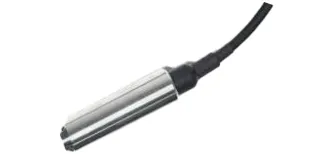
Sensors generate raw data that must be processed and interpreted accurately. Proper signal conditioning, filtering, and amplification are necessary to ensure high-quality data. Additionally, integrating sensors with compatible data acquisition systems and software is essential for real-time monitoring and analysis. Noise reduction techniques should also be employed to minimize interference.
6. Safety and InterferenceElectromagnetic interference (EMI) and radio frequency interference (RFI) can disrupt sensor signals, leading to inaccurate readings. Proper shielding, grounding, and the use of high-quality cables can help reduce such interference. Additionally, safety measures such as overvoltage protection and electrostatic discharge (ESD) prevention should be implemented to protect sensors from damage.
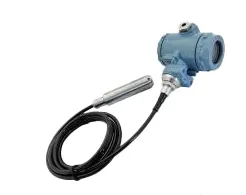
As technology evolves, sensors are becoming more advanced, offering higher precision, smaller sizes, and increased connectivity. Staying updated with the latest advancements and considering upgrades can enhance system performance. Integrating sensors with IoT platforms and AI-driven analytics can further improve data utilization and decision-making processes.
Summary of Key ConsiderationsSensor Selection: Choose the right sensor based on accuracy, compatibility, and application requirements.
Environmental Adaptability: Ensure sensors are protected from harsh conditions and interference.
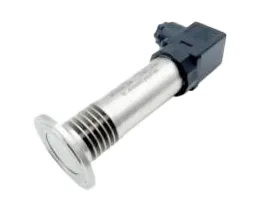
Data Integrity: Maintain proper data acquisition and processing techniques to ensure accuracy.
Safety and Maintenance: Implement regular calibration, shielding, and protective measures to prolong sensor lifespan.
By adhering to these considerations, the application of electronic instrumentation sensors can be optimized for reliable, accurate, and efficient operation in diverse industries.
Recently Posted
-
Why Elevator Weight Measurement Equipment Is Essential for Modern Buildings
October 17, 2025Elevators are an essential part of modern buildings, providing efficient vertical transportation in residential, commercial, and i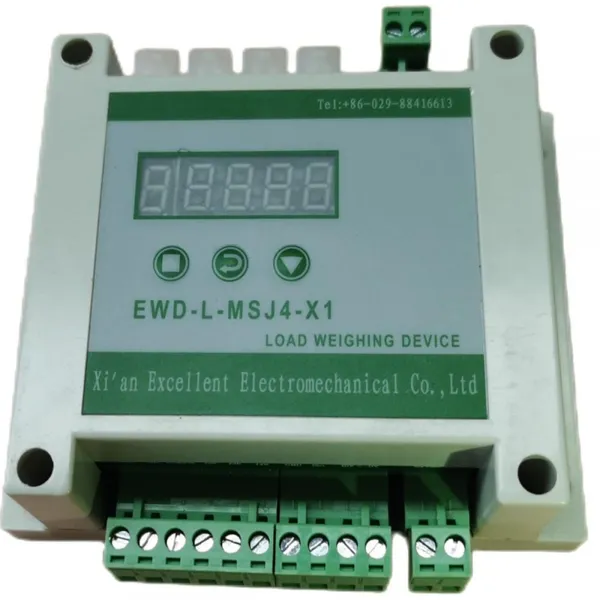 Read More
 -
Elevator Load Sensors: Choosing the Perfect Fit for Your System
October 15, 2025How to Choose the Right Load Sensors for Elevators: A Comprehensive GuideElevator load sensors are critical components that ensure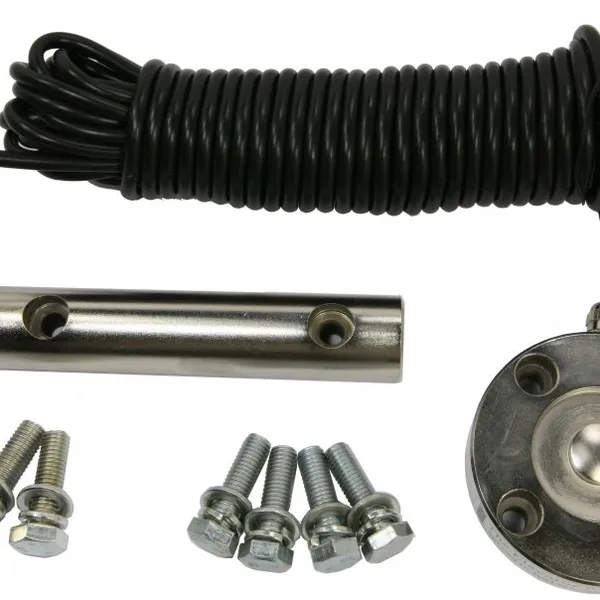 Read More
 -
Top Tips for Finding the Most Cost-Effective Elevator Weight Measurement Systems
October 11, 2025How to Find the Most Cost-Effective Elevator Weight Measurement SystemsWhen it comes to selecting elevator weight measurement syst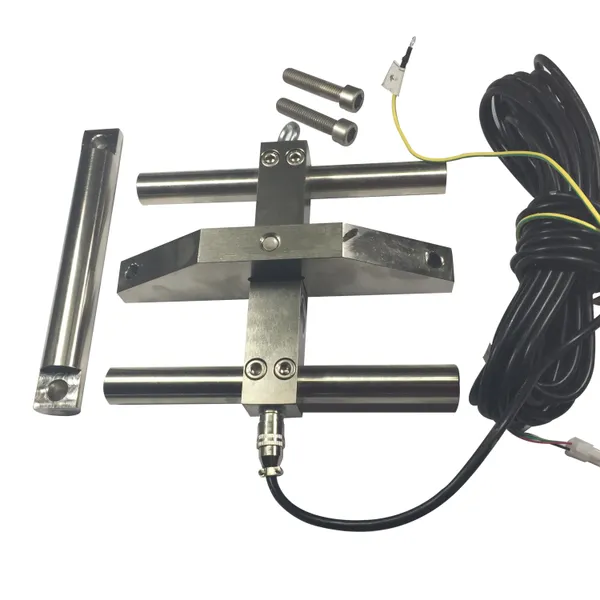 Read More
 -
Enhance Elevator Safety: A Comprehensive Guide to Choosing Weight Measurement Equipment
October 10, 2025How to Choose the Right Elevator Weight Measurement EquipmentElevators are essential components of modern buildings, and ensuring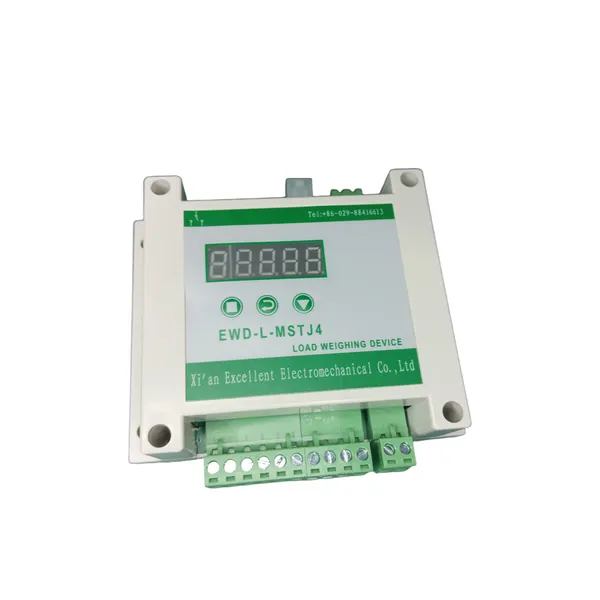 Read More

Contact Us
Recommended Products
-
 Cost-effective Elevator Weighing Device Lift Load Sensor Elevator Overload Protection System:EWD-H-P1US$ 19 - 23MOQ: 1 Set
 -
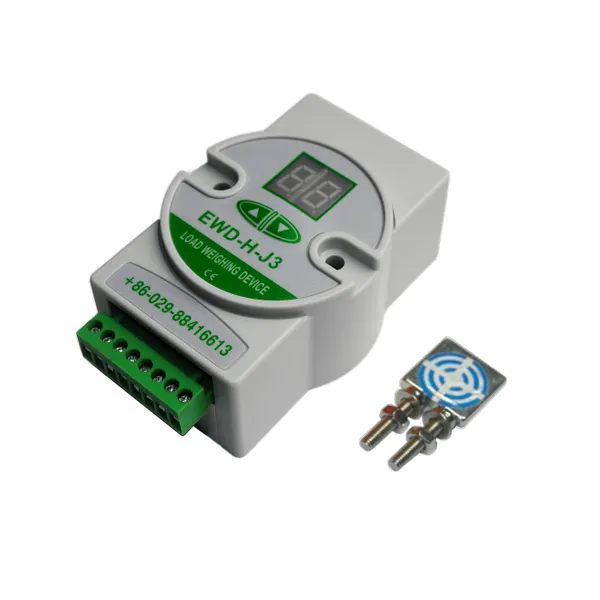
Real-Time Monitoring Elevator Load Sensor (Model: EWD-H-J3) – Customizable & Easy to InstallUS$ 53 - 73MOQ: 2 Units
-
Advanced Elevator Weight Control Sensors With High Accuracy and Field-Adjustable Features (Model:EWD-H-J5)US$ 58 - 76MOQ: 2 Units
-
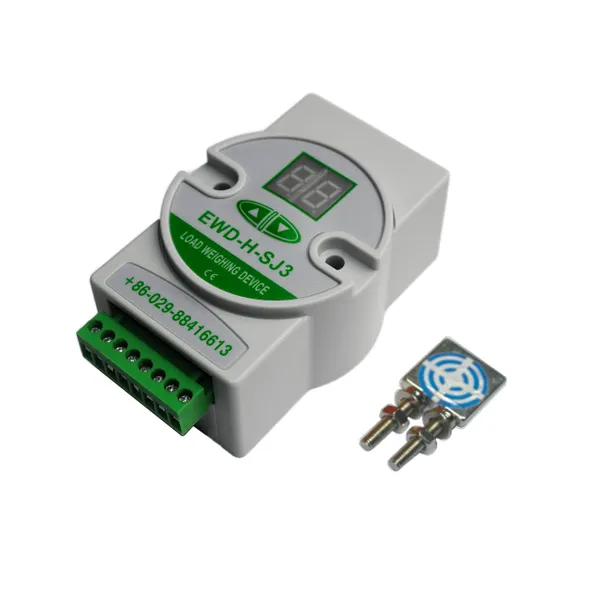
Factory Price Wholesale Elevator Load Weighing Device EWD-H- SJ3 High Accuracy/equipment With Integrated Controller and SensorUS$ 61 - 80MOQ: 5 Sets
-
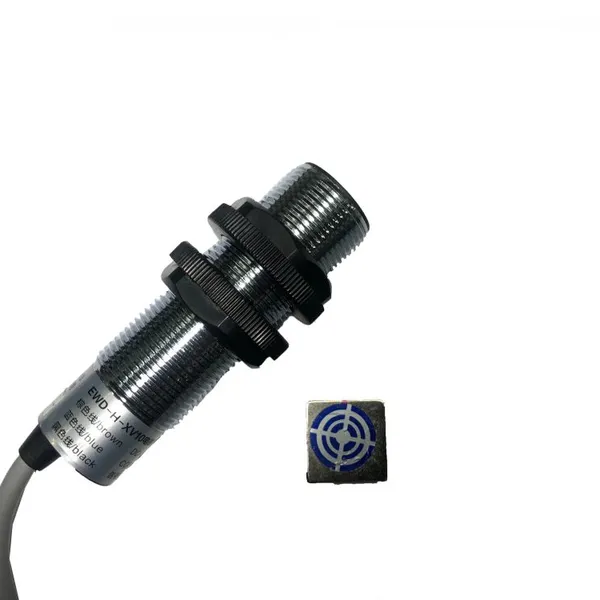
Factory Price Wholesale Elevator Load Weighing Device EWD-H-XV10 High Accuracy/equipment With Integrated Controller and SensorUS$ 40 - 58MOQ: 5 Units

-
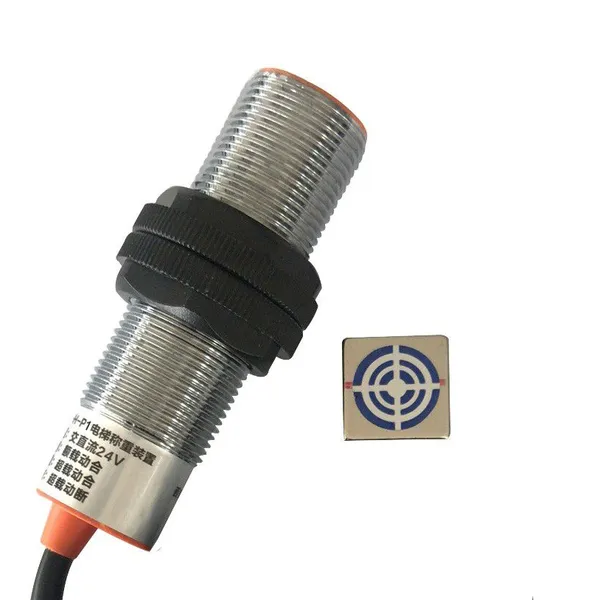
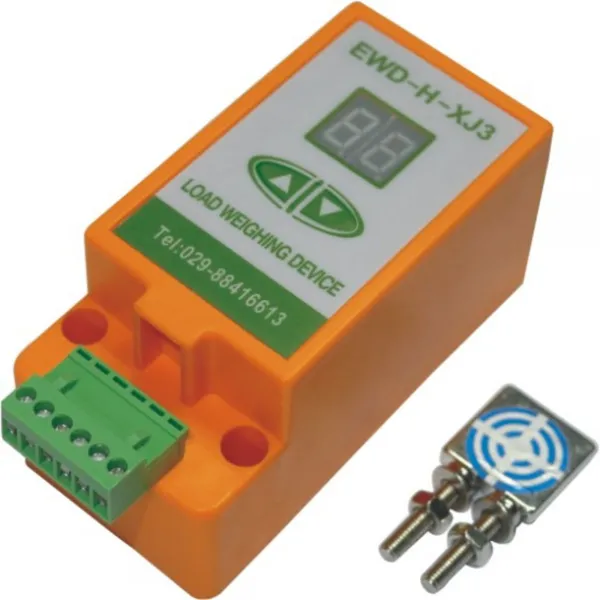
Elevator Load Sensor Elevator Overload Protection Device Lift Weighing System (Model: EWD-H-XJ3)US$ 43 - 65MOQ: 5 Units
-
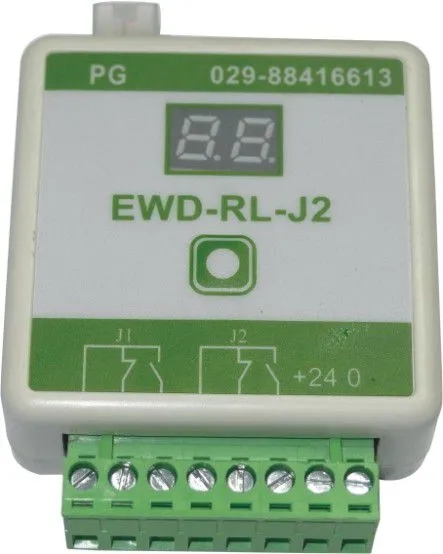
Elevator Weighing Controller Elevator Load Cell(EWD-RL-J2) Weight Detection System /global High Quantity/ISO CEUS$ 78 - 142MOQ: 5 Units
-
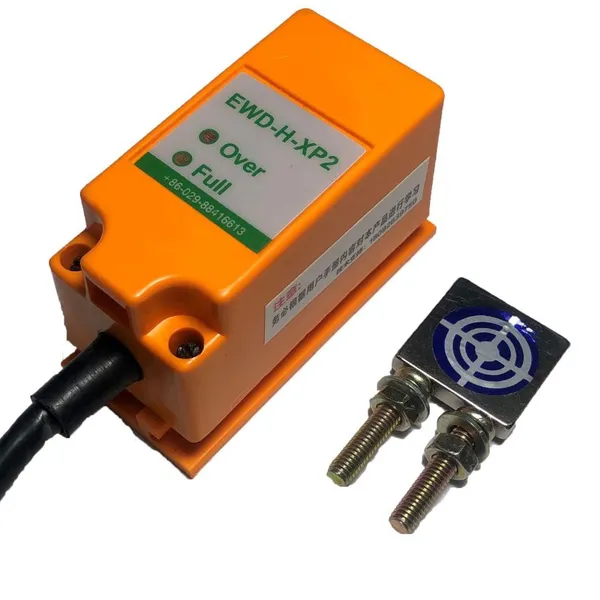
Cost-effective Elevator Weighing Device Lift Load Sensor Elevator Overload Protection System:EWD- H- XP2, On-Site CustomizationUS$ 19 - 24MOQ: 20 Units
-
Wholesale Elevator Load Weighing Sensor (Module:XCL-Y/8625), Simple Structure, Easy Installation, High PrecisionNegotiableMOQ: 5 Units
-
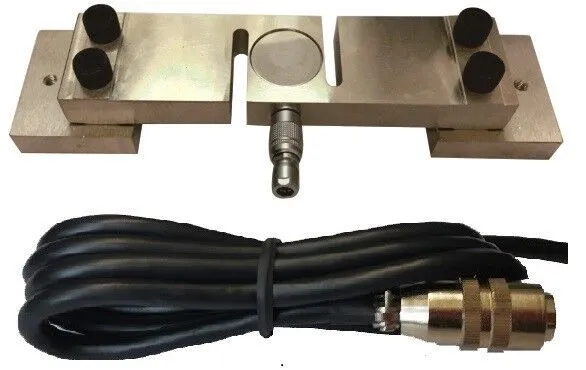
Wholesale Elevator Load Weighing Sensor (XCL-YL/C), Welding, With Simple Structure and Fast Response.,Stock Supports Export to the WorldNegotiableMOQ: 2 Units
-
Factory Direct Sales Elevator Load Cell (XCL- Y/5222) Fast Response TimeNegotiableMOQ: 2 Units
-
Factory Direct Sales/ Global Wholesale Price/elevator Load Cell(XCL-Y-3411)simple and Easy to Install,NegotiableMOQ: 5 Units
-
Special Sensor for Villa Ladder(XCL-YH/5018) Can be Used With Weighing Controller,with Corrosion ResistanceNegotiableMOQ: 5 Units
-
Factory Price Wholesale Elevator Load Weighing Device EWD-L-MSTJ4 High Accuracy/intelligent Temperature Compensation/ISO/CENegotiableMOQ: 5 Sets
-
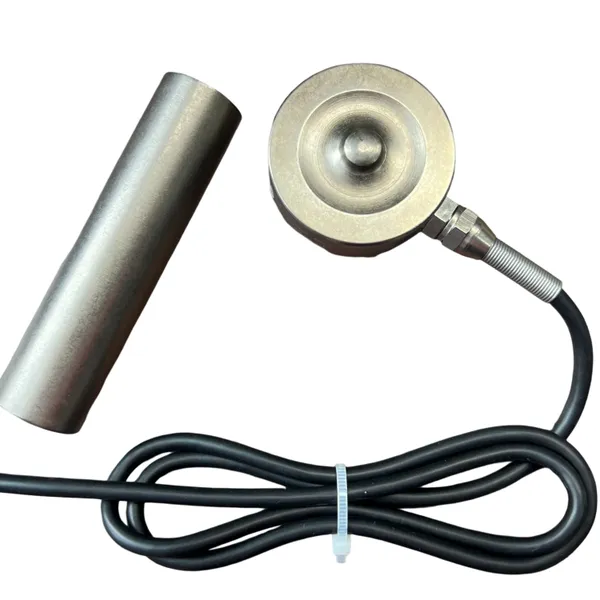
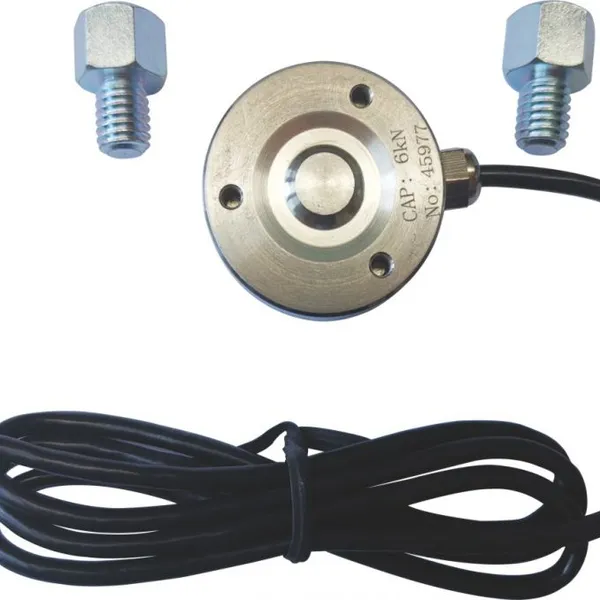
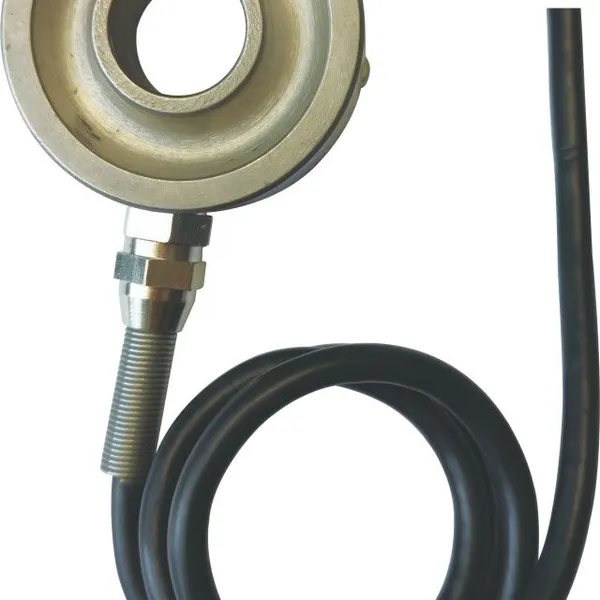
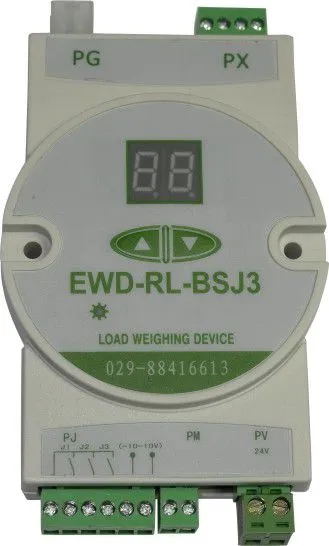
Factory Price Wholesale Elevator Load Weighing Device EWD-RL- BSJ3 High Accuracy/equipment With Integrated Controller and SensorNegotiableMOQ: 2 Sets
-
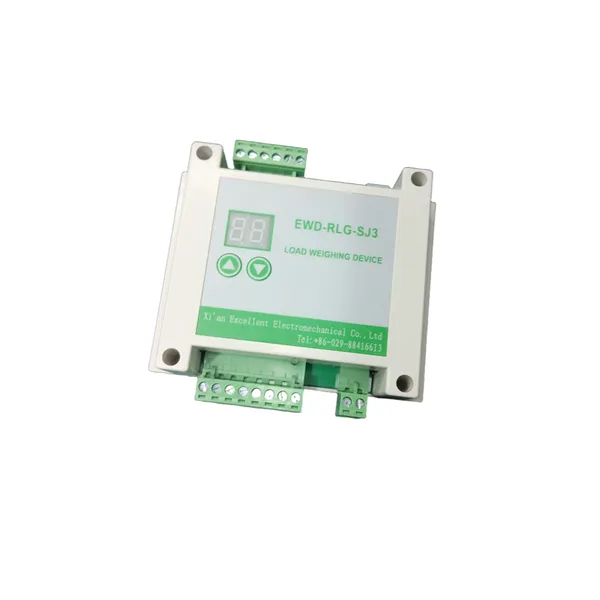
Factory Price Wholesale Elevator Load Weighing Device EWD-RLG-SJ3 High Accuracy/equipment With Integrated Controller and SensorNegotiableMOQ: 5 Sets
-
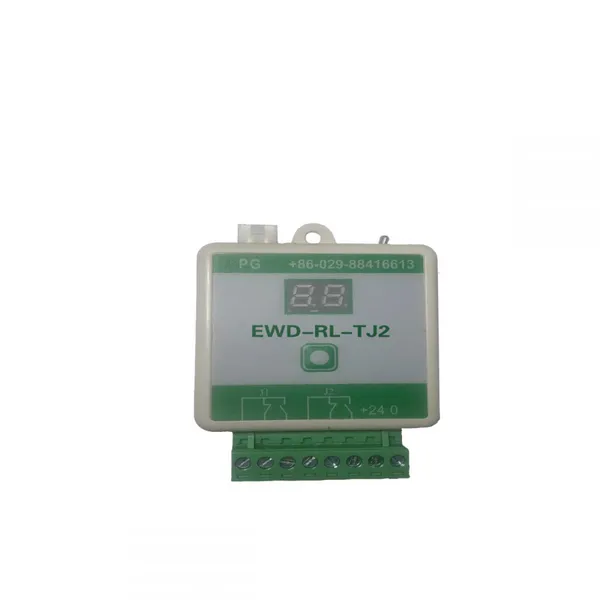
Factory Price Wholesale Elevator Load Weighing Device EWD- RL-TJ2 High Accuracy/ISO/CENegotiableMOQ: 5 Sets
-
Factory Price Wholesale Elevator Load Weighing Device EWD-H- GSV10 High Accuracy/equipment With Integrated Controller and SensorNegotiableMOQ: 1 Unit
-
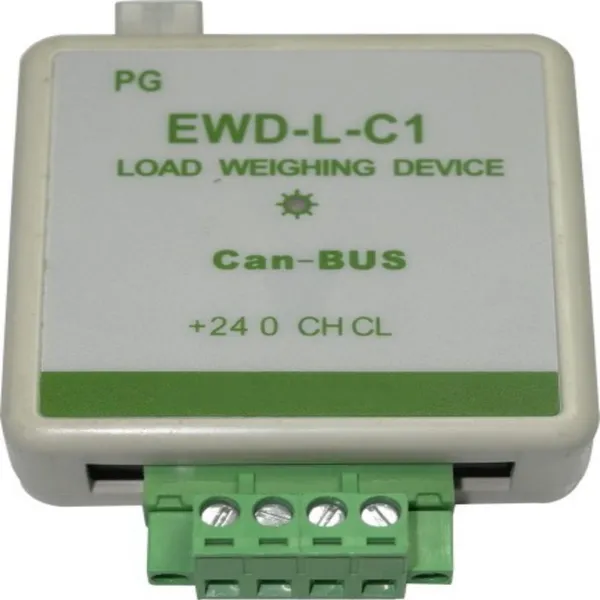
Factory Price Wholesale Elevator Load Weighing Device EWD-L- C1 High Accuracy/ Strong Anti-electromagnetic Interference Ability/ISONegotiableMOQ: 5 Sets
-
Factory Price Wholesale Load Cell XCL-YB-10H Low-profile Structure Design/High Accuracy/IP66/Transportation/NegotiableMOQ: 5 Sets