Business License
Enhancing Compatibility Between Sensors and Mining Equipment: A Focus on Exploration and Elevator Sy
Sensors have become indispensable in modern mining operations, particularly in optimizing the performance and safety of exploration and elevator equipment. By integrating advanced sensor technologies, the mining industry can achieve greater efficiency, accuracy, and reliability in its operations. This article explores how sensors can be better adapted to mining exploration and elevator systems, addressing key challenges and offering practical solutions.
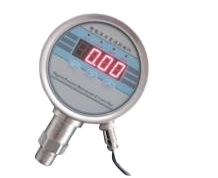
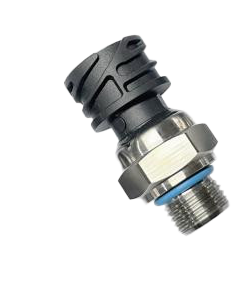
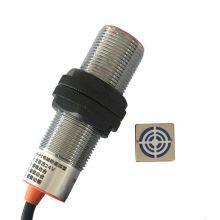
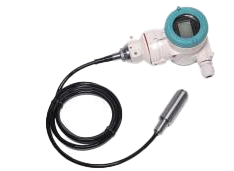
Sensors are devices designed to detect and measure specific physical or environmental parameters, such as temperature, pressure, motion, and gas levels. In the context of mining, sensors are critical for ensuring the safe and efficient operation of exploration equipment and elevator systems. For exploration devices, sensors help identify mineral deposits, assess geological conditions, and monitor equipment performance in real-time. For elevator systems, sensors are essential for maintaining proper functioning, such as detecting load weight, monitoring elevator position, and ensuring smooth operation.
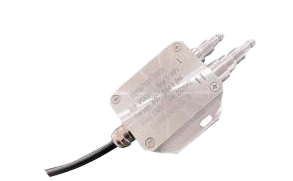
Despite their importance, integrating sensors into mining equipment presents several challenges:
Harsh Environmental Conditions: Mining environments are often characterized by extreme temperatures, high humidity, dust, and vibrations. These conditions can interfere with sensor performance and reduce their accuracy.
Data Overload: Modern sensors generate vast amounts of data, which can overwhelm traditional data processing systems. Efficient integration requires robust data management solutions to filter, analyze, and act on relevant information in real-time.
Compatibility Issues: Different sensors operate on varying frequencies, protocols, and power requirements. Ensuring seamless communication and integration with existing equipment is a significant challenge.
Power Constraints: Sensors require reliable power sources, which can be a challenge in remote or underground mining environments.
 Strategies for Improved Compatibility
To enhance the compatibility of sensors with mining exploration and elevator equipment, the following strategies can be employed:
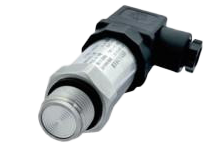
Sensor Selection and Customization: Choose sensors specifically designed for mining environments. Customizing sensors to meet the unique needs of exploration and elevator equipment can significantly improve performance.
Integration of IoT and AI: Leveraging the Internet of Things (IoT) and artificial intelligence (AI) can streamline data collection, processing, and analysis. IoT-enabled sensors can transmit data to central control systems, while AI algorithms can provide actionable insights for predictive maintenance and operational optimization.
- Modular Design: Modular design enhances sensor flexibility and adaptability.
Modular sensors can be combined and expanded to meet diverse equipment needs, reducing integration complexity.
 Case Studies and Practical Applications
Several case studies demonstrate the successful integration of sensors into mining equipment. For example, in coal mines, gas sensors have been integrated into exploration drills to detect methane levels in real-time, preventing dangerous gas build-ups. In elevator systems, motion and load sensors have been used to optimize elevator operation, reducing downtime and enhancing safety. These examples highlight the potential of sensors to transform mining operations.
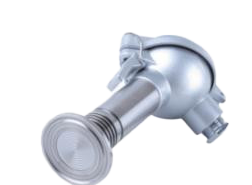
The future of sensor technology in mining is promising, with advancements in nanotechnology, wireless communication, and edge computing poised to further enhance compatibility. Self-powered sensors, which harness energy from the environment (e.g., vibrations or heat), are expected to reduce reliance on external power sources. Additionally, the development of multi-functional sensors that can detect multiple parameters simultaneously will streamline data collection and improve efficiency.
 Conclusion
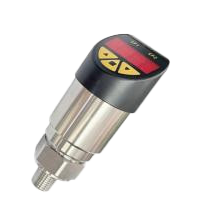
The integration of sensors with mining exploration and elevator equipment is essential for modernizing the mining industry. By addressing challenges such as environmental interference, data overload, and compatibility issues, and adopting advanced strategies like IoT, AI, and modular design, the mining sector can achieve higher levels of efficiency, safety, and productivity. As technology continues to evolve, the role of sensors in mining will only become more critical.
website:https://fmssensor.com/
WhatsApp: +86 18092239472
Email:fmssales3@xafms.com
Recently Posted
-
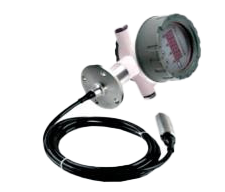
Why Elevator Weight Measurement Equipment Is Essential for Modern Buildings
October 17, 2025Elevators are an essential part of modern buildings, providing efficient vertical transportation in residential, commercial, and i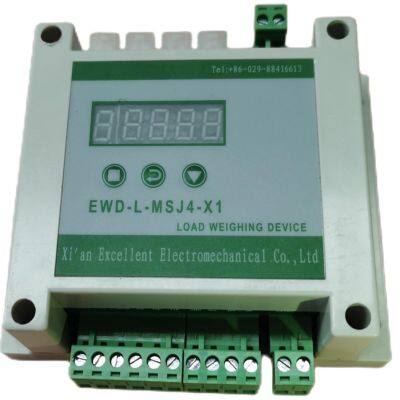 Read More
 -
Elevator Load Sensors: Choosing the Perfect Fit for Your System
October 15, 2025How to Choose the Right Load Sensors for Elevators: A Comprehensive GuideElevator load sensors are critical components that ensure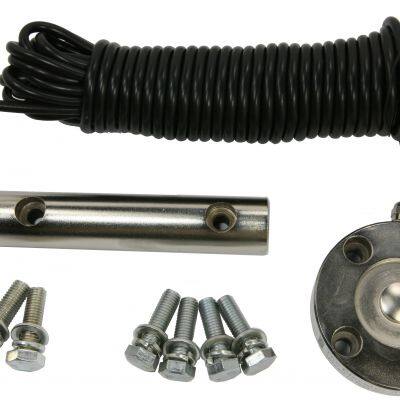 Read More
 -
Top Tips for Finding the Most Cost-Effective Elevator Weight Measurement Systems
October 11, 2025How to Find the Most Cost-Effective Elevator Weight Measurement SystemsWhen it comes to selecting elevator weight measurement syst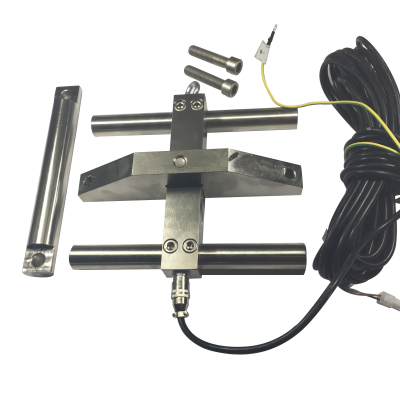 Read More
 -
Enhance Elevator Safety: A Comprehensive Guide to Choosing Weight Measurement Equipment
October 10, 2025How to Choose the Right Elevator Weight Measurement EquipmentElevators are essential components of modern buildings, and ensuring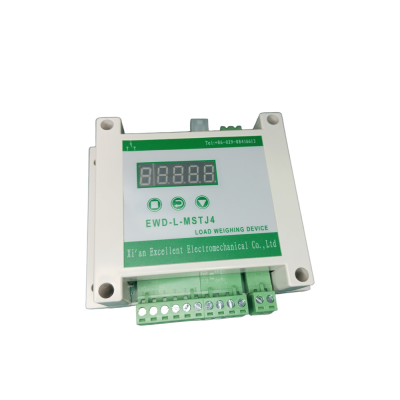 Read More

Contact Us
Recommended Products
-
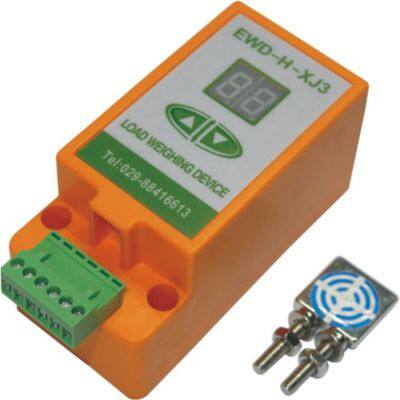
 Elevator Load Sensor Elevator Overload Protection Device Lift Weighing System (Model: EWD-H-XJ3)US$ 43 - 65MOQ: 5 Units
 -
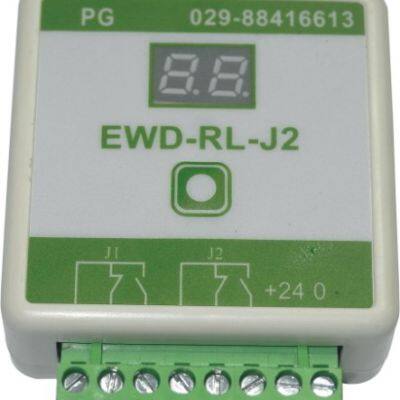
Elevator Weighing Controller Elevator Load Cell(EWD-RL-J2) Weight Detection System /global High Quantity/ISO CEUS$ 78 - 142MOQ: 5 Units
-
Cost-effective Elevator Weighing Device Lift Load Sensor Elevator Overload Protection System:EWD-H-P1US$ 22 - 26MOQ: 20 Sets
-
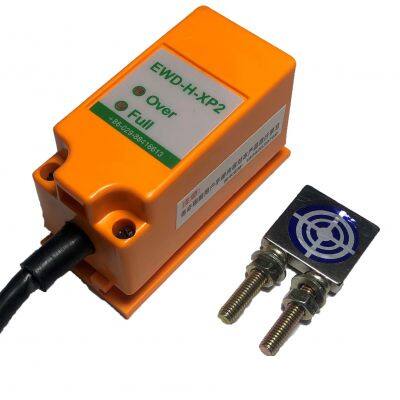
Cost-effective Elevator Weighing Device Lift Load Sensor Elevator Overload Protection System:EWD- H- XP2, On-Site CustomizationUS$ 19 - 24MOQ: 20 Units
-
Wholesale Elevator Load Weighing Sensor (Module:XCL-Y/8625), Simple Structure, Easy Installation, High PrecisionNegotiableMOQ: 5 Units
-
Wholesale Elevator Load Weighing Sensor (XCL-YL/C), Welding, With Simple Structure and Fast Response.,Stock Supports Export to the WorldNegotiableMOQ: 2 Units
-
Factory Direct Sales Elevator Load Cell (XCL- Y/5222) Fast Response TimeNegotiableMOQ: 2 Units
-
Factory Direct Sales/ Global Wholesale Price/elevator Load Cell(XCL-Y-3411)simple and Easy to Install,NegotiableMOQ: 5 Units
-
Special Sensor for Villa Ladder(XCL-YH/5018) Can be Used With Weighing Controller,with Corrosion ResistanceNegotiableMOQ: 5 Units
-
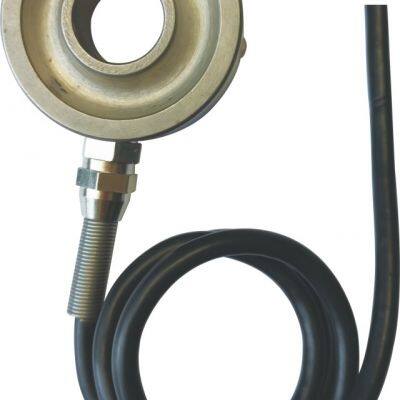
Factory Price Wholesale Elevator Load Weighing Device EWD-L-MSTJ4 High Accuracy/intelligent Temperature Compensation/ISO/CENegotiableMOQ: 5 Sets
-
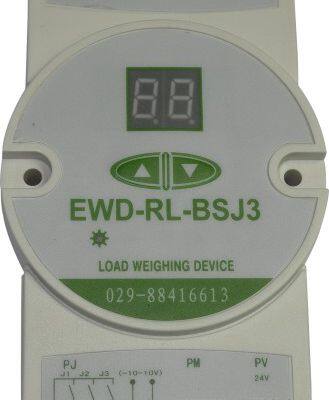
Factory Price Wholesale Elevator Load Weighing Device EWD-RL- BSJ3 High Accuracy/equipment With Integrated Controller and SensorNegotiableMOQ: 2 Sets
-
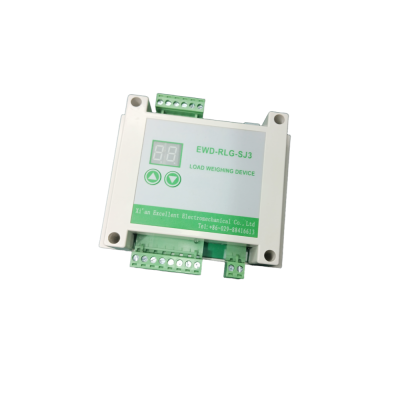
Factory Price Wholesale Elevator Load Weighing Device EWD-RLG-SJ3 High Accuracy/equipment With Integrated Controller and SensorNegotiableMOQ: 5 Sets
-
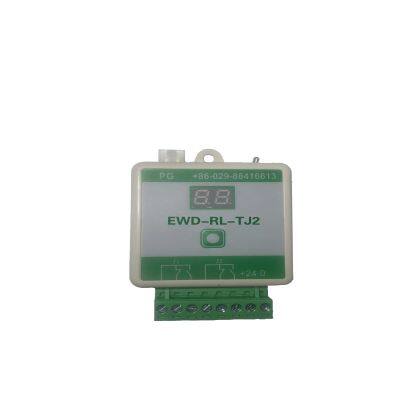
Factory Price Wholesale Elevator Load Weighing Device EWD- RL-TJ2 High Accuracy/ISO/CENegotiableMOQ: 5 Sets
-
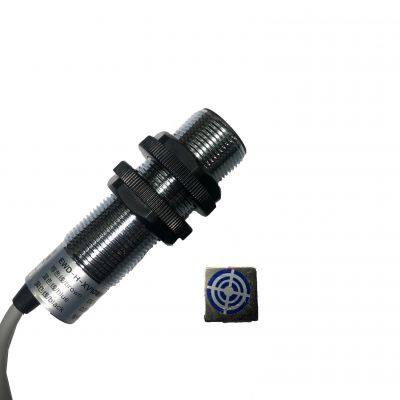
Factory Price Wholesale Elevator Load Weighing Device EWD-H-XV10 High Accuracy/equipment With Integrated Controller and SensorNegotiableMOQ: 1 Unit
-
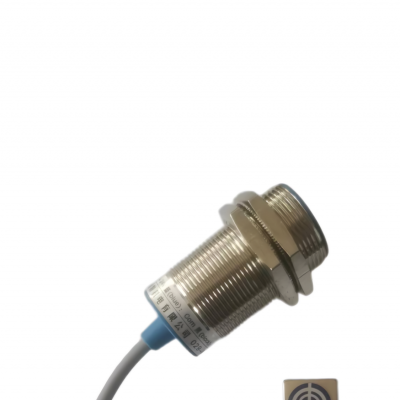
Factory Price Wholesale Elevator Load Weighing Device EWD-H- GSV10 High Accuracy/equipment With Integrated Controller and SensorNegotiableMOQ: 1 Unit
-
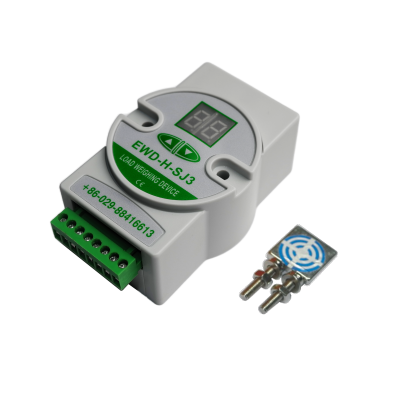
Factory Price Wholesale Elevator Load Weighing Device EWD-H- SJ3 High Accuracy/equipment With Integrated Controller and SensorNegotiableMOQ: 5 Sets
-
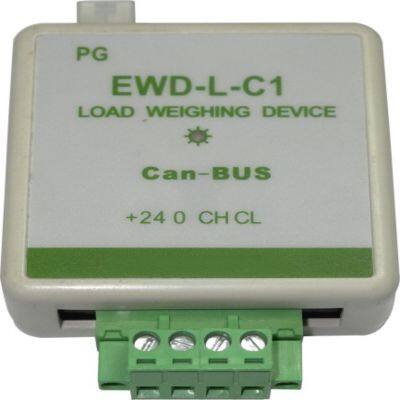
Factory Price Wholesale Elevator Load Weighing Device EWD-L- C1 High Accuracy/ Strong Anti-electromagnetic Interference Ability/ISONegotiableMOQ: 5 Sets
-
Factory Price Wholesale Load Cell XCL-YB-10H Low-profile Structure Design/High Accuracy/IP66/Transportation/NegotiableMOQ: 5 Sets
-
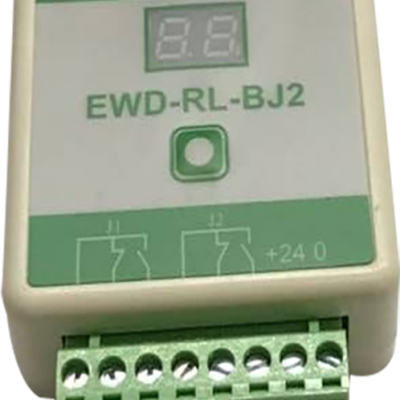
Factory Price Wholesale Elevator Load Weighing Device EWD-RL- BJ2 High Accuracy/Home LiftUS$ 380 - 900MOQ: 5 Sets
-
OEM/ODM Pressure Sensors for Cars – High Accuracy and Durable DesignNegotiableMOQ: 5 Units