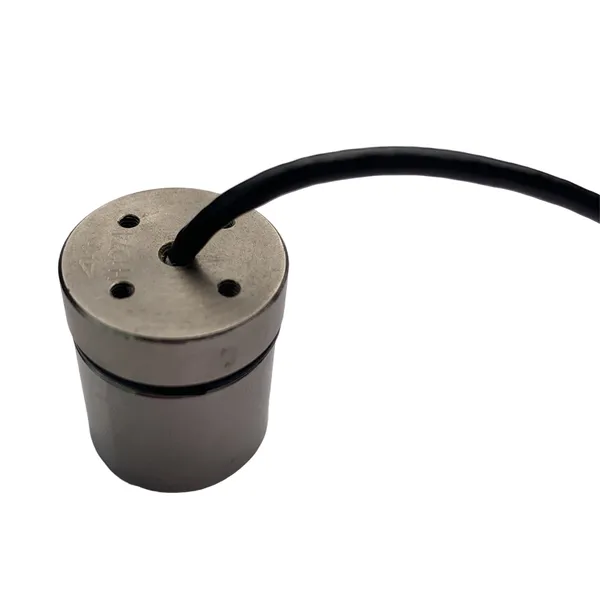
Business License
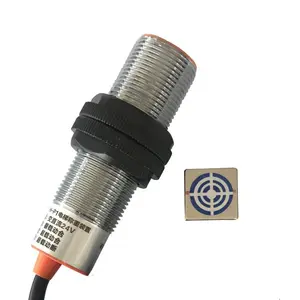
Applications of Electronic Instrumentation Sensors and the Benefits They Bring
Electronic instrumentation sensors are advanced devices that play a pivotal role in modern technology, enabling precise measurement, monitoring, and control of various physical and environmental parameters. These sensors are widely used across industries such as healthcare, automotive, aerospace, industrial automation, environmental monitoring, and consumer electronics. Their ability to detect and transmit data has revolutionized the way we interact with technology and has brought numerous conveniences to our daily lives.
 Applications of Electronic Instrumentation Sensors
Medical and Healthcare
Patient Monitoring: Sensors are used in medical equipment to monitor vital signs such as heart rate, blood pressure, oxygen levels, and temperature. This real-time data helps healthcare professionals make informed decisions and provide timely interventions.
Diagnosis and Treatment: Advanced sensors, such as those used in MRI machines or blood glucose monitors, assist in accurate diagnosis and treatment planning.
Automotive Industry
Vehicle Performance: Sensors in cars monitor engine performance, fuel efficiency, and emissions, ensuring optimal vehicle operation and reducing environmental impact.
Safety Systems: Sensors are integral to advanced driver-assistance systems (ADAS), including airbag deployment, anti-lock braking systems (ABS), and collision avoidance systems.
Industrial Automation
Process Monitoring: Sensors are used in manufacturing to monitor parameters such as temperature, pressure, and flow rate, ensuring quality control and efficient production processes.
Predictive Maintenance: By continuously monitoring machinery, sensors can predict equipment fa equipment failure before it occurs, minimizing downtime and reducing maintenance costs.
Environmental Monitoring
Air and Water Quality: Sensors detect pollutants in air and water, helping to monitor and improve environmental conditions.
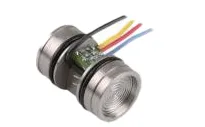
Weather Forecasting: Sensors gather data on temperature, humidity, wind speed, and atmospheric pressure, contributing to accurate weather predictions.
Aerospace and Defense
Flight Control: Sensors in aircraft monitor altitude, speed, and navigation, ensuring safe and efficient flight operations.
Defense Systems: Sensors are used in radar, sonar, and surveillance systems to enhance security and defense capabilities.
Enhanced Accuracy and Precision
Sensors provide highly accurate and reliable data, minimizing errors in measurement and decision-making processes.
Improved Efficiency
By automating processes and enabling real-time monitoring, sensors optimize resource usage, reduce waste, and improve overall efficiency in industries.
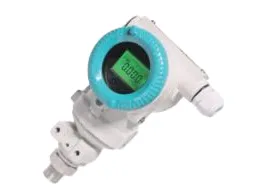
Increased Safety
Sensors play a critical role in detecting dangerous conditions, such as gas leaks or equipment malfunctions, preventing potential accidents and ensuring the safety of personnel.
Convenience and Automation
Sensors enable automated systems in homes, offices, and industries, simplifying tasks and reducing human intervention. For example, smart home systems use sensors to control lighting, temperature, and security.
Data-Driven Decision Making
The data collected by sensors provides valuable insights, enabling organizations to make informed decisions and improve operational strategies.
Cost Savings
By reducing downtime, minimizing resource waste, and preventing equipment failures, sensors contribute to significant cost savings for businesses.
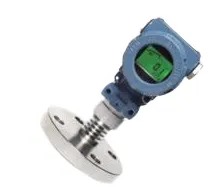
Electronic instrumentation sensors have become indispensable in modern society, driving innovation and improving the quality of life. Their ability to detect, measure, and transmit data has transformed industries, making processes more efficient, safer, and sustainable. As technology continues to advance, the applications and benefits of sensors will only expand, further enhancing their role in shaping the future.
Recently Posted
-
Why Elevator Weight Measurement Equipment Is Essential for Modern Buildings
October 17, 2025Elevators are an essential part of modern buildings, providing efficient vertical transportation in residential, commercial, and i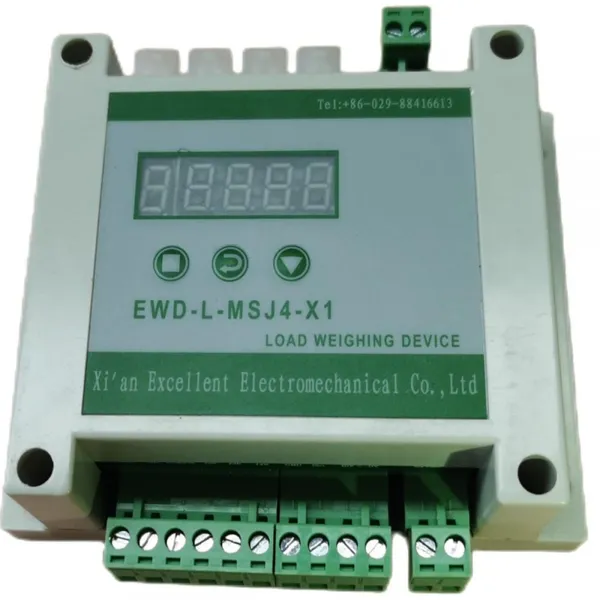 Read More
 -
Elevator Load Sensors: Choosing the Perfect Fit for Your System
October 15, 2025How to Choose the Right Load Sensors for Elevators: A Comprehensive GuideElevator load sensors are critical components that ensure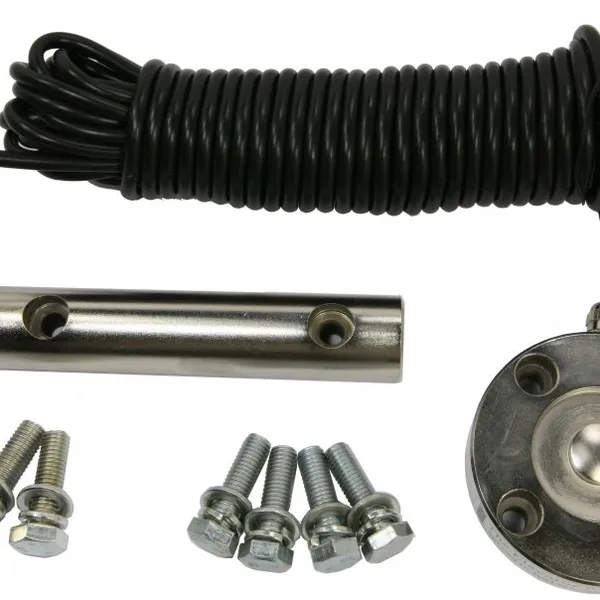 Read More
 -
Top Tips for Finding the Most Cost-Effective Elevator Weight Measurement Systems
October 11, 2025How to Find the Most Cost-Effective Elevator Weight Measurement SystemsWhen it comes to selecting elevator weight measurement syst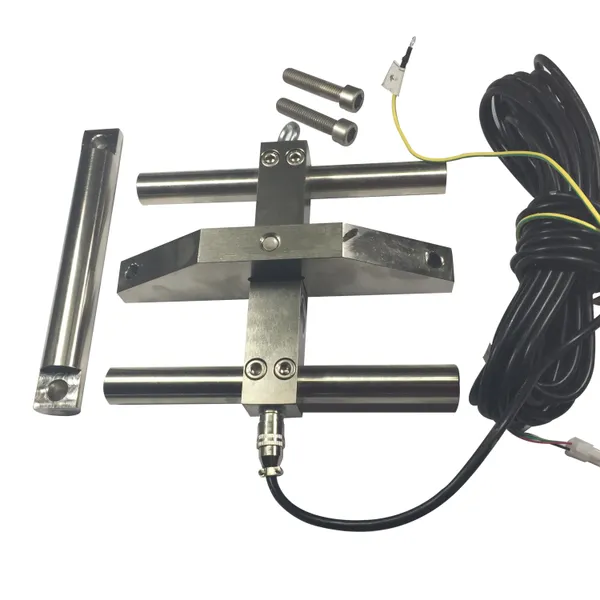 Read More
 -
Enhance Elevator Safety: A Comprehensive Guide to Choosing Weight Measurement Equipment
October 10, 2025How to Choose the Right Elevator Weight Measurement EquipmentElevators are essential components of modern buildings, and ensuring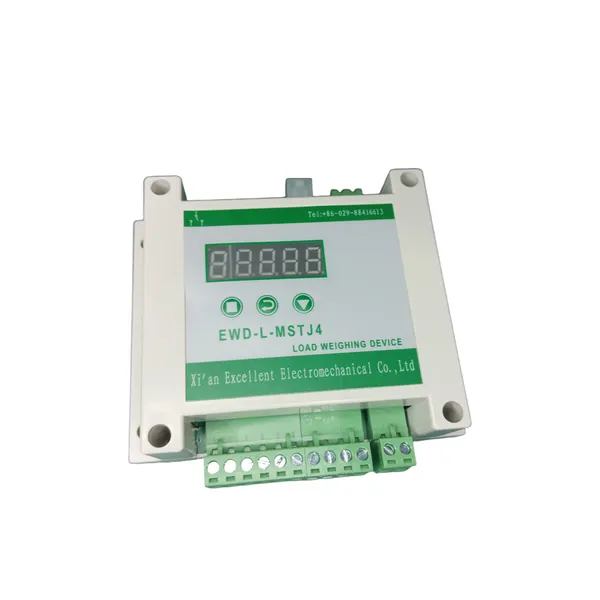 Read More

Contact Us
Recommended Products
-
 Cost-effective Elevator Weighing Device Lift Load Sensor Elevator Overload Protection System:EWD-H-P1US$ 19 - 23MOQ: 1 Set
 -
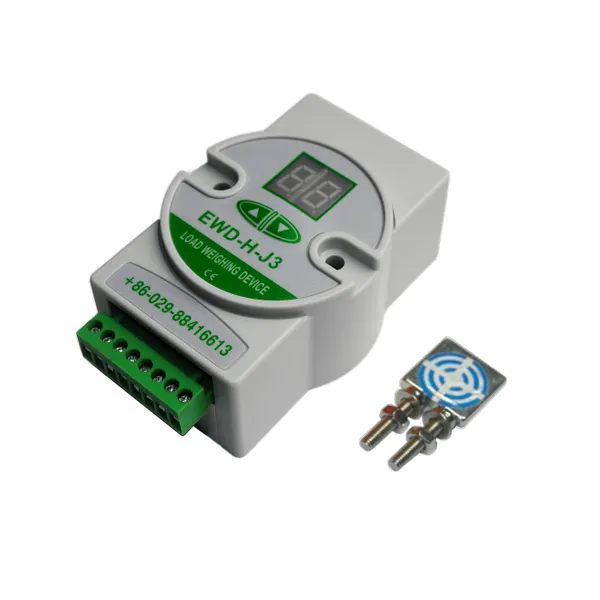
Real-Time Monitoring Elevator Load Sensor (Model: EWD-H-J3) – Customizable & Easy to InstallUS$ 53 - 73MOQ: 2 Units
-
Advanced Elevator Weight Control Sensors With High Accuracy and Field-Adjustable Features (Model:EWD-H-J5)US$ 58 - 76MOQ: 2 Units
-
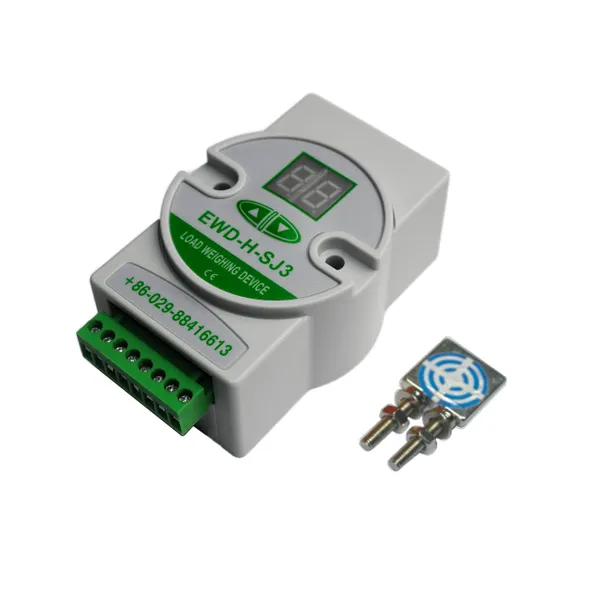
Factory Price Wholesale Elevator Load Weighing Device EWD-H- SJ3 High Accuracy/equipment With Integrated Controller and SensorUS$ 61 - 80MOQ: 5 Sets
-
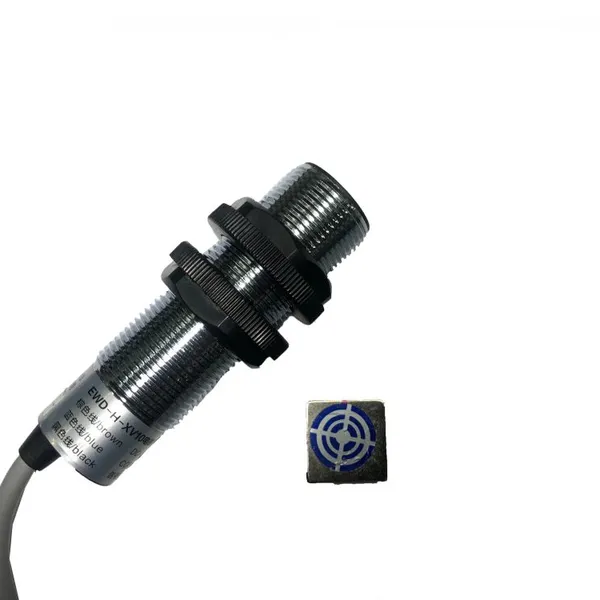
Factory Price Wholesale Elevator Load Weighing Device EWD-H-XV10 High Accuracy/equipment With Integrated Controller and SensorUS$ 40 - 58MOQ: 5 Units

-
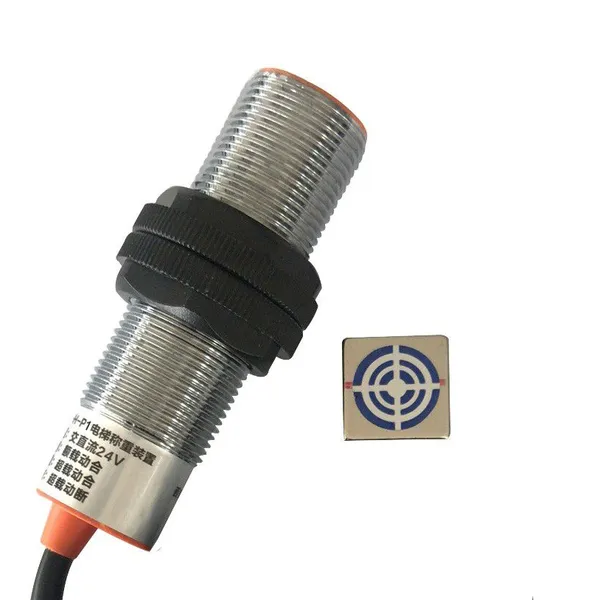
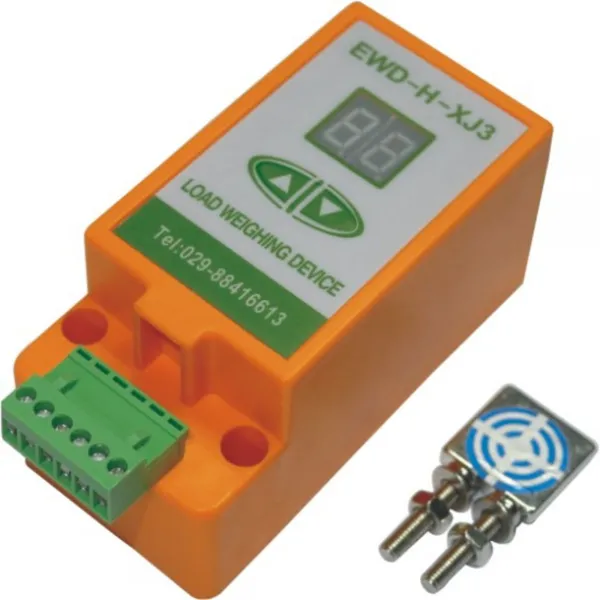
Elevator Load Sensor Elevator Overload Protection Device Lift Weighing System (Model: EWD-H-XJ3)US$ 43 - 65MOQ: 5 Units
-
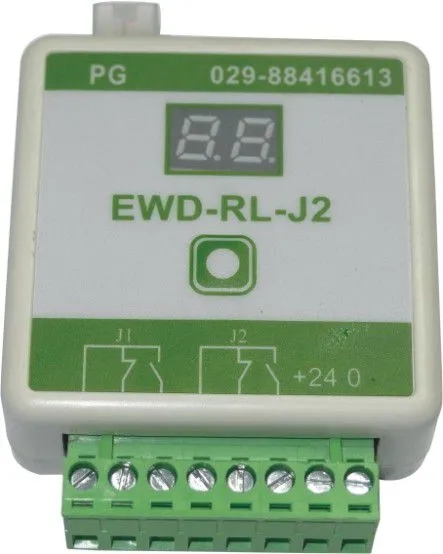
Elevator Weighing Controller Elevator Load Cell(EWD-RL-J2) Weight Detection System /global High Quantity/ISO CEUS$ 78 - 142MOQ: 5 Units
-
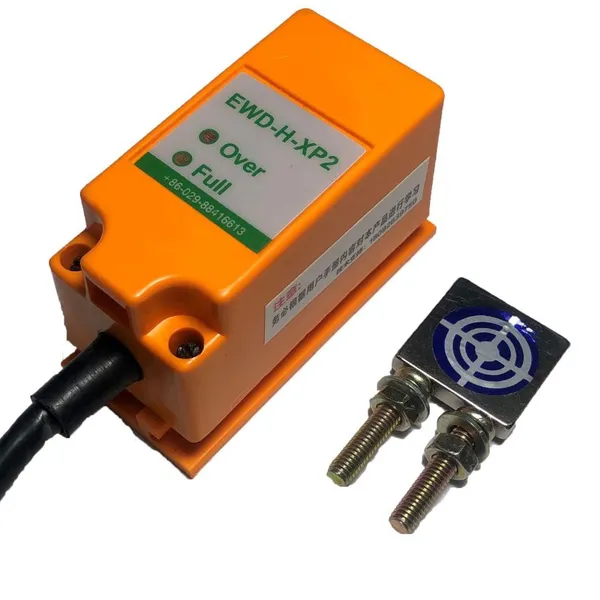
Cost-effective Elevator Weighing Device Lift Load Sensor Elevator Overload Protection System:EWD- H- XP2, On-Site CustomizationUS$ 19 - 24MOQ: 20 Units
-
Wholesale Elevator Load Weighing Sensor (Module:XCL-Y/8625), Simple Structure, Easy Installation, High PrecisionNegotiableMOQ: 5 Units
-
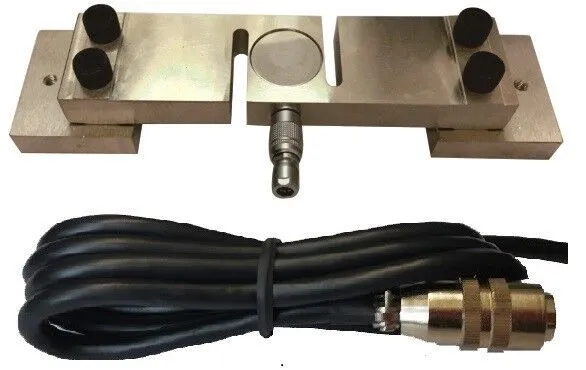
Wholesale Elevator Load Weighing Sensor (XCL-YL/C), Welding, With Simple Structure and Fast Response.,Stock Supports Export to the WorldNegotiableMOQ: 2 Units
-
Factory Direct Sales Elevator Load Cell (XCL- Y/5222) Fast Response TimeNegotiableMOQ: 2 Units
-
Factory Direct Sales/ Global Wholesale Price/elevator Load Cell(XCL-Y-3411)simple and Easy to Install,NegotiableMOQ: 5 Units
-
Special Sensor for Villa Ladder(XCL-YH/5018) Can be Used With Weighing Controller,with Corrosion ResistanceNegotiableMOQ: 5 Units
-
Factory Price Wholesale Elevator Load Weighing Device EWD-L-MSTJ4 High Accuracy/intelligent Temperature Compensation/ISO/CENegotiableMOQ: 5 Sets
-
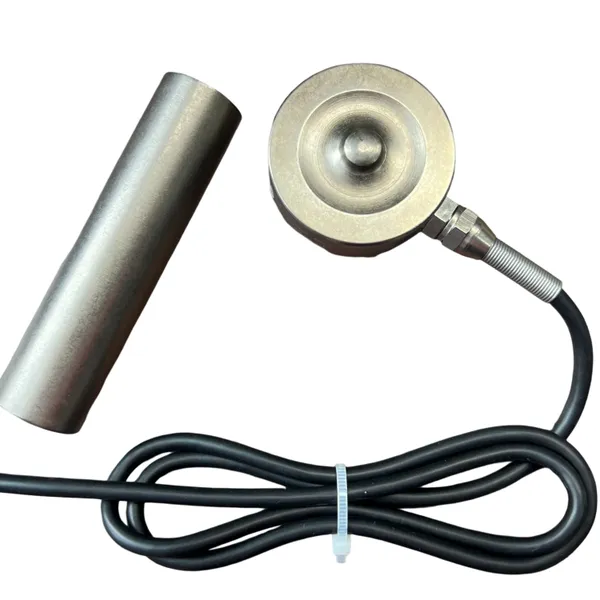
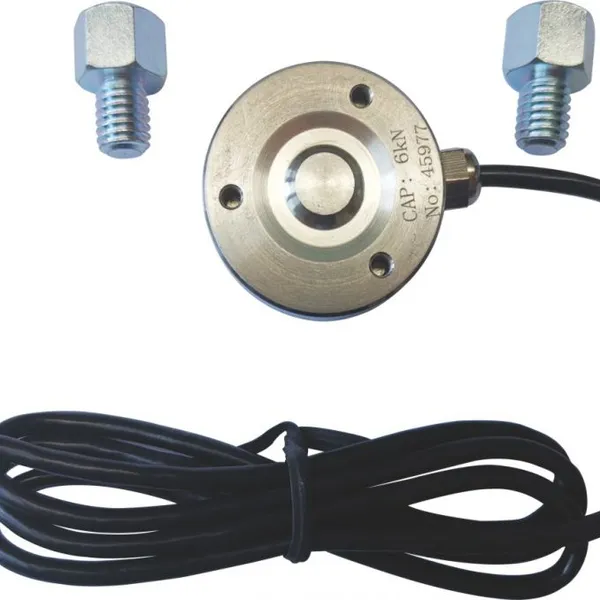
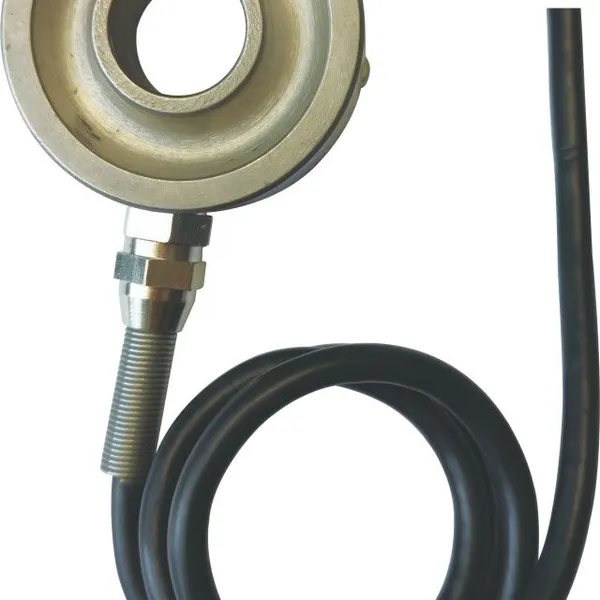
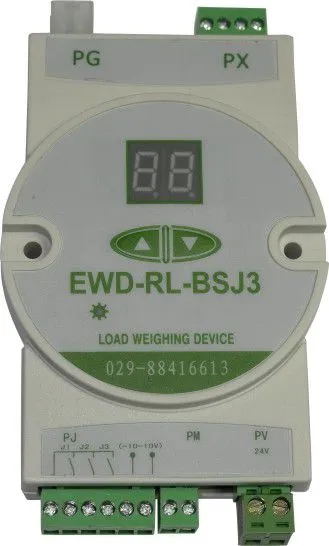
Factory Price Wholesale Elevator Load Weighing Device EWD-RL- BSJ3 High Accuracy/equipment With Integrated Controller and SensorNegotiableMOQ: 2 Sets
-
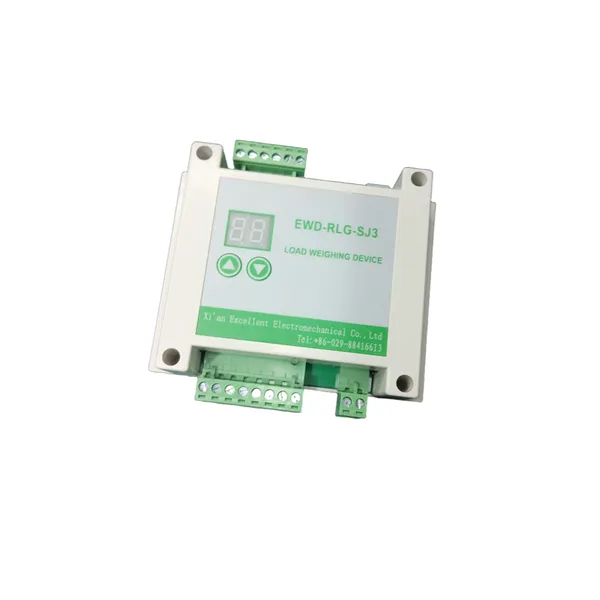
Factory Price Wholesale Elevator Load Weighing Device EWD-RLG-SJ3 High Accuracy/equipment With Integrated Controller and SensorNegotiableMOQ: 5 Sets
-
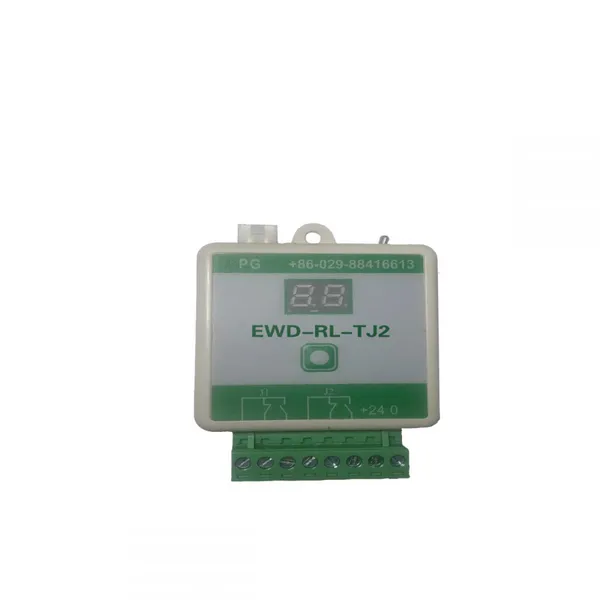
Factory Price Wholesale Elevator Load Weighing Device EWD- RL-TJ2 High Accuracy/ISO/CENegotiableMOQ: 5 Sets
-
Factory Price Wholesale Elevator Load Weighing Device EWD-H- GSV10 High Accuracy/equipment With Integrated Controller and SensorNegotiableMOQ: 1 Unit
-
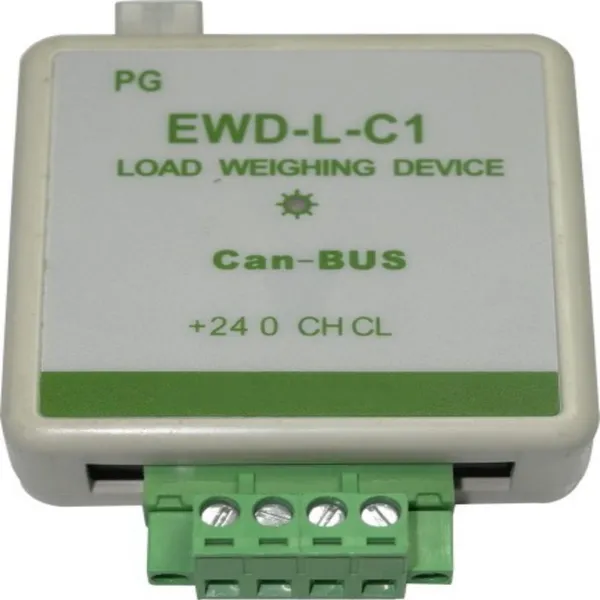
Factory Price Wholesale Elevator Load Weighing Device EWD-L- C1 High Accuracy/ Strong Anti-electromagnetic Interference Ability/ISONegotiableMOQ: 5 Sets
-
Factory Price Wholesale Load Cell XCL-YB-10H Low-profile Structure Design/High Accuracy/IP66/Transportation/NegotiableMOQ: 5 Sets