Business License
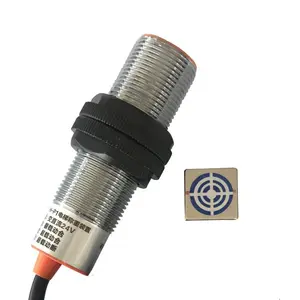
Sensors in Packaging: Transforming the Industry with Precision and Innovation
The packaging industry is a cornerstone of modern commerce, ensuring that products reach consumers in optimal condition while maintaining brand integrity and customer satisfaction. In recent years, the integration of advanced sensor technologies has revolutionized the way packaging is designed, produced, and monitored. Sensors have become a critical tool in enhancing efficiency, ensuring product safety, and meeting the ever-growing demands of the market. With their high performance, real-time feedback, and customizable design, sensors are driving innovation across the packaging industry.
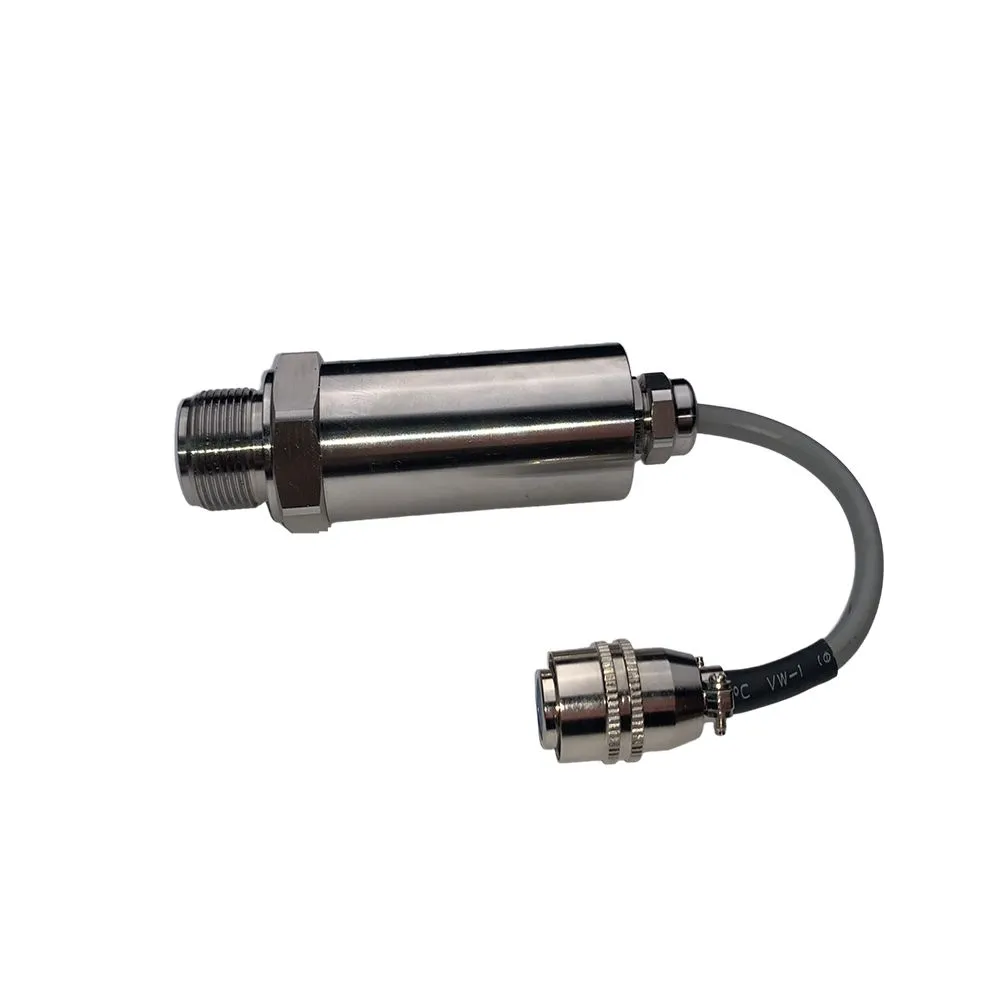
Pressure Sensors
Pressure sensors are used to monitor the internal and external pressure conditions of packaging, particularly for sealed or airtight containers. This is crucial for products such as canned foods, beverages, or medical devices, where pressure variations can compromise product quality or safety.Weight and Load Sensors
Weight sensors are employed to ensure accurate filling and sealing of packages. They help maintain consistency in product quantities, reducing waste and enhancing customer satisfaction.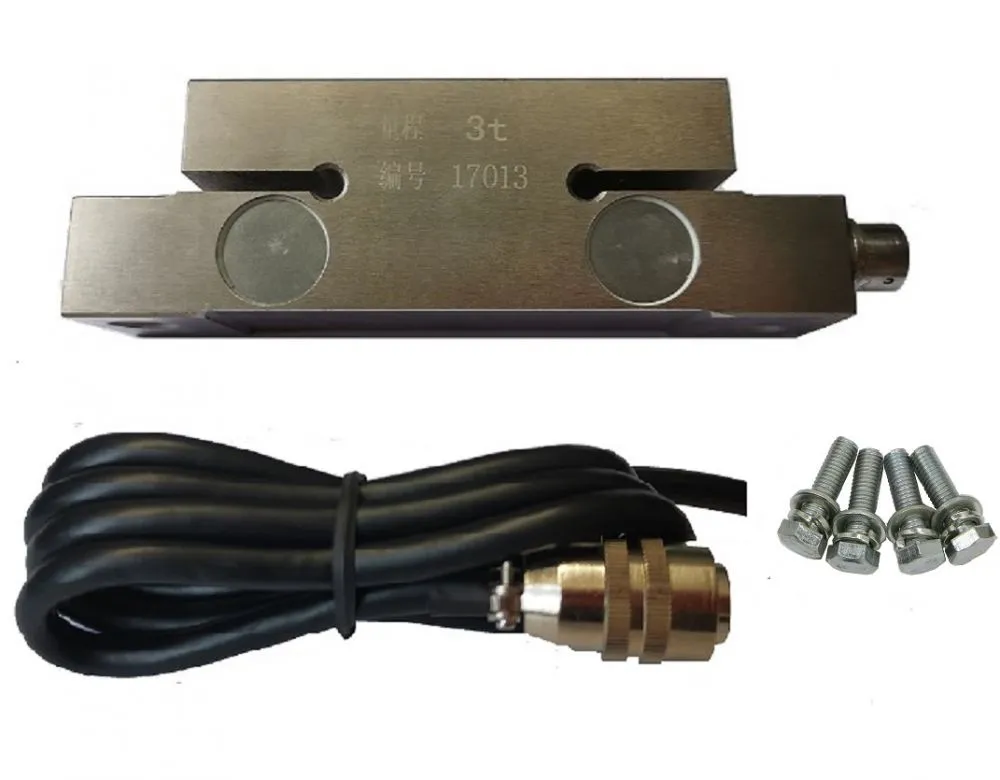 These sensors are particularly useful in packaging lines for liquids, powders, or pre-packaged goods.
Gas Sensors
Gas sensors are used to detect the presence of oxygen, carbon dioxide, or other gases inside packaging. This is vital for products that require specific atmospheric conditions, such as modified atmosphere packaging (MAP) for fresh produce or perishable goods. These sensors help extend shelf life and ensure product freshness.RFID and Barcode Sensors
RFID (Radio-Frequency Identification) and barcode sensors enable automated tracking and identification of packaged products. These technologies streamline inventory management, reduce errors,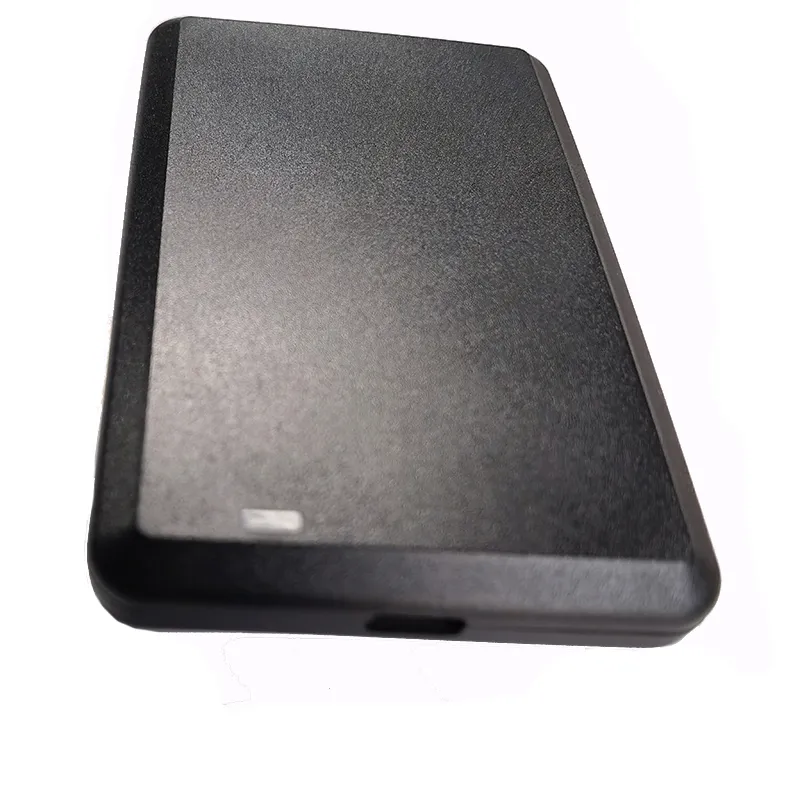 and improve supply chain efficiency by providing real-time data on product location and status.
Vibration and Impact Sensors
Vibration and impact sensors are critical for monitoring the handling and transportation of packaged goods. They detect excessive shaking, dropping, or rough handling, helping to prevent damage to fragile or sensitive products during shipping.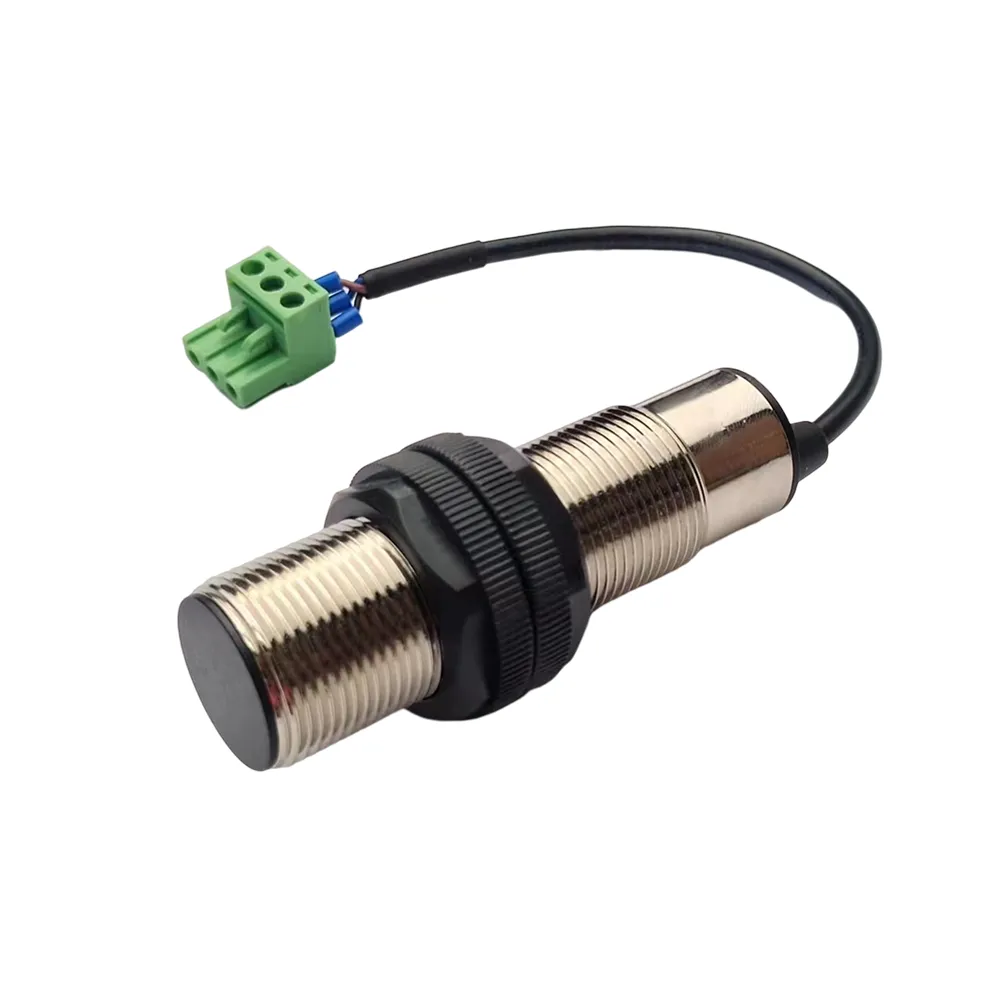
The adoption of sensors in packackaging has brought about significant changes, transforming the industry in the following ways:
Enhanced Product Quality and Safety
Sensors ensure that packaged goods are protected from environmental factors such as temperature fluctuations, humidity, and contamination. This leads to higher product quality, reduced spoilage, and increased customer satisfaction.Improved Efficiency and Cost Savings
Real-time monitoring and feedback from sensors optimize packaging processes, reducing waste and improving resource utilization. For example, precise weight and fill-level sensors minimize overfilling or underfilling, saving materials and costs.Customizable Solutions for Diverse Needs
The ability to customize sensors to meet specific packaging requirements is a game-changer. Whether it’s monitoring oxygen levels in MAP packaging or ensuring precise temperature control for perishables, sensors can be tailored to suit the unique needs of different products and industries.Increased Automation and Precision
Sensors enable automated packaging lines to operate with greater precision and speed. They reduce human intervention, minimize errors, and allow for faster production cycles,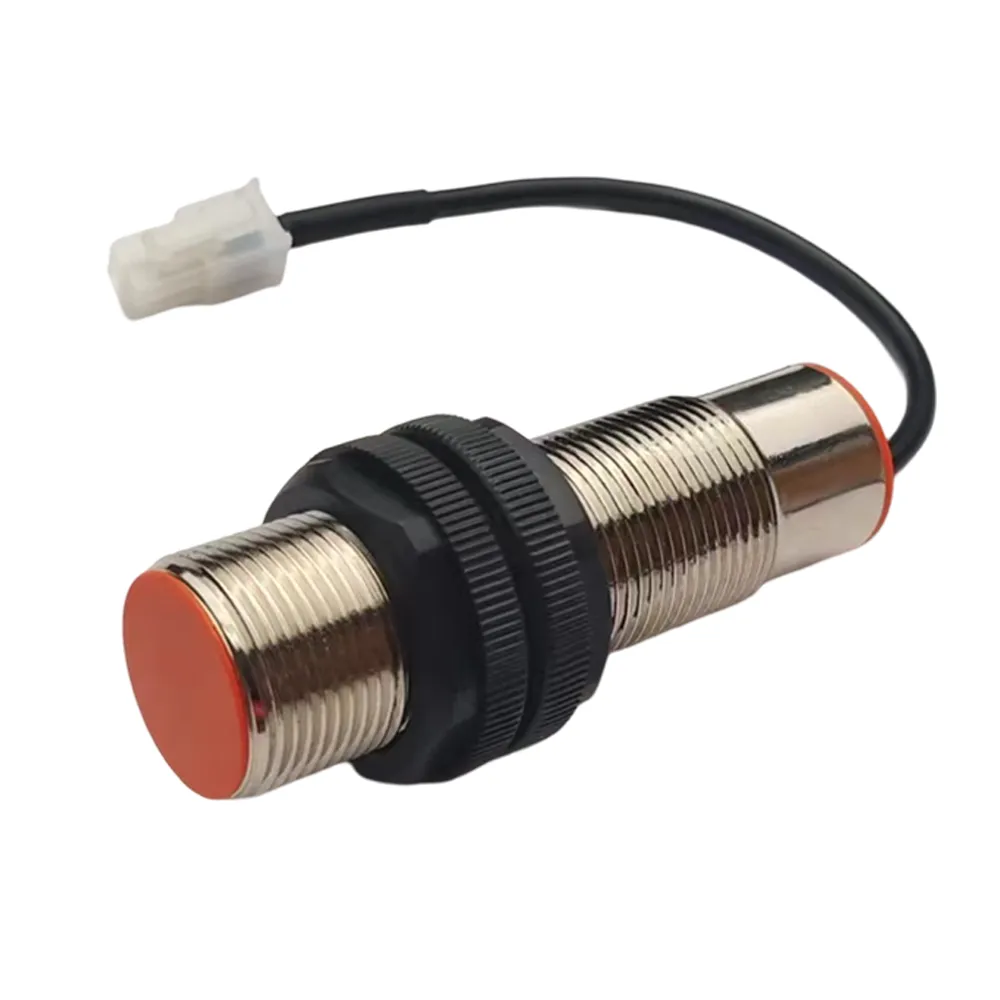 ultimately enhancing overall efficiency.
Data-Driven Decision-Making
Sensors provide valuable data on packaging performance and product condition, enabling companies to make informed decisions. This data can be used to improve packaging designs, optimize production processes, and enhance supply chain management.Sustainability and Waste Reduction
By ensuring accurate filling, reducing spoilage, and optimizing packaging materials, sensors contribute to sustainability efforts. They help minimize waste and extend product shelf life, aligning with growing consumer demand for eco-friendly packaging solutions.
As technology continues to advance, the role of sensors in packaging will expand further. The integration of sensors with the Internet of Things (IoT) and artificial intelligence (AI) will enable predictive analytics, smart packaging, and fully automated production lines. Additionally, the development of eco-friendly sensors and packaging materials will support the industry’s shift toward sustainability.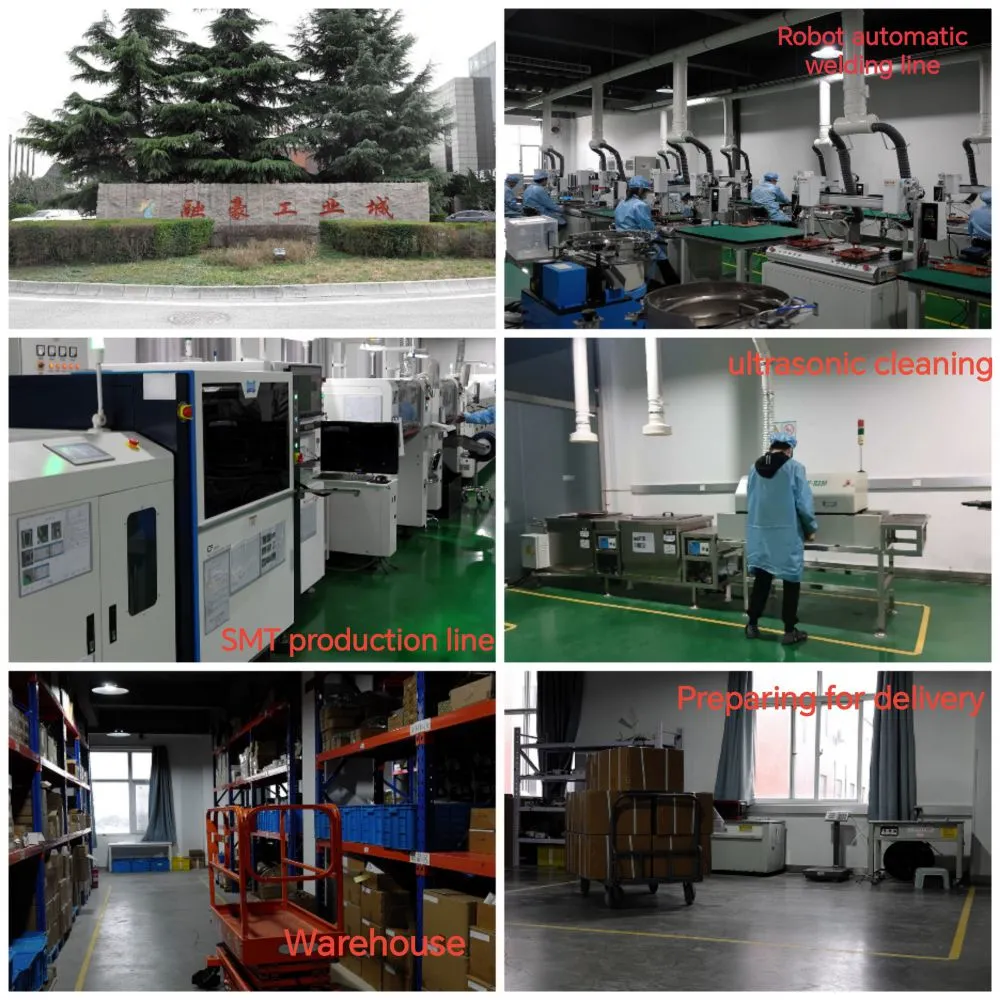
The packaging industry is undergoing a transformative phase, driven by the adoption of advanced sensor technologies. Sensors bring unparalleled precision, real-time monitoring, and customizable solutions to the sector, ensuring product safety, enhancing efficiency, and meeting the evolving demands of the market. With their high performance and adaptability, sensors are paving the way for a more efficient, sustainable, and customer-centric packaging industry. As technology continues to evolve, the potential for sensors to redefine packaging is limitless, offering exciting opportunities for innovation and growth.
website:https://elevatorest.com/
WhatsApp: +86 18092239472
Email:fmssales3@xafms.com
Recently Posted
-
Why Elevator Weight Measurement Equipment Is Essential for Modern Buildings
October 17, 2025Elevators are an essential part of modern buildings, providing efficient vertical transportation in residential, commercial, and i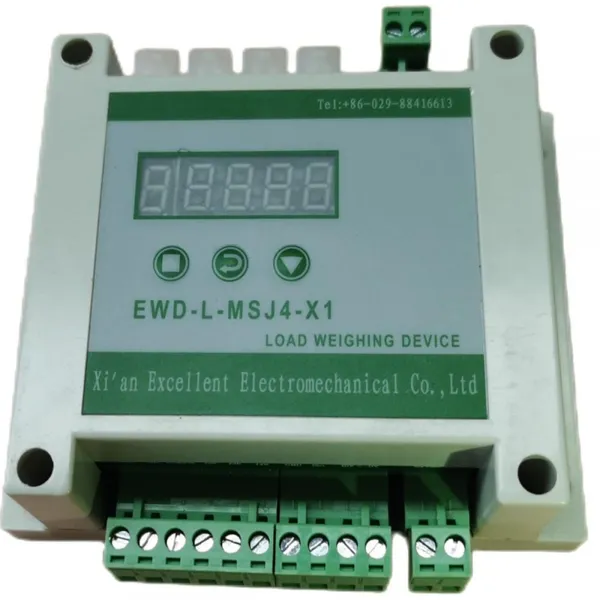 Read More
 -
Elevator Load Sensors: Choosing the Perfect Fit for Your System
October 15, 2025How to Choose the Right Load Sensors for Elevators: A Comprehensive GuideElevator load sensors are critical components that ensure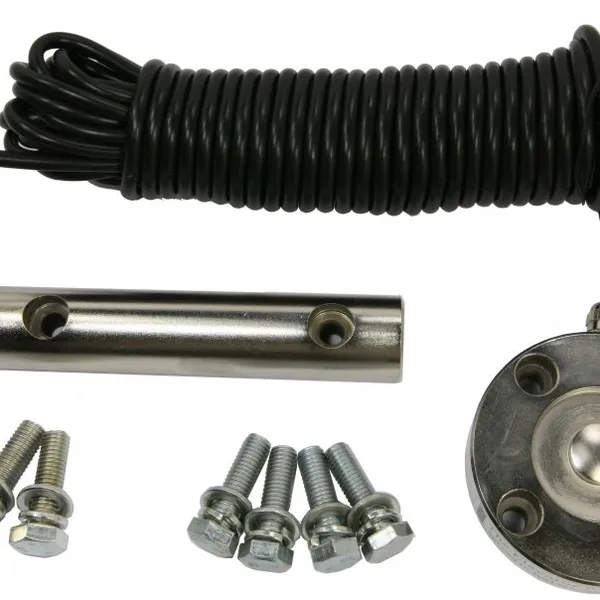 Read More
 -
Top Tips for Finding the Most Cost-Effective Elevator Weight Measurement Systems
October 11, 2025How to Find the Most Cost-Effective Elevator Weight Measurement SystemsWhen it comes to selecting elevator weight measurement syst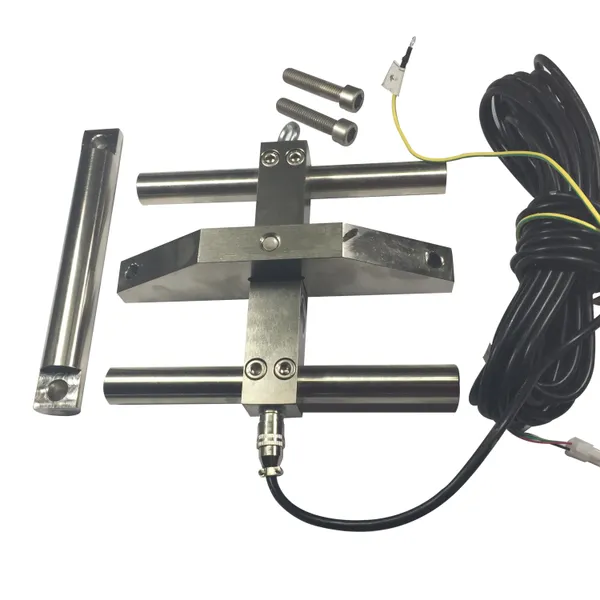 Read More
 -
Enhance Elevator Safety: A Comprehensive Guide to Choosing Weight Measurement Equipment
October 10, 2025How to Choose the Right Elevator Weight Measurement EquipmentElevators are essential components of modern buildings, and ensuring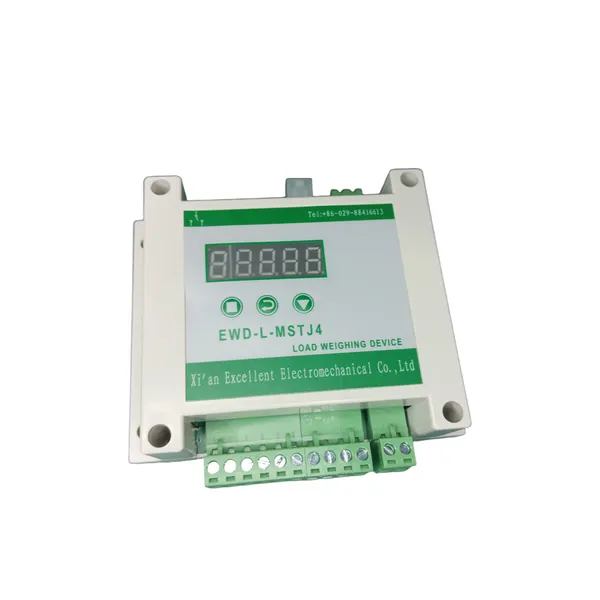 Read More

Contact Us
Recommended Products
-
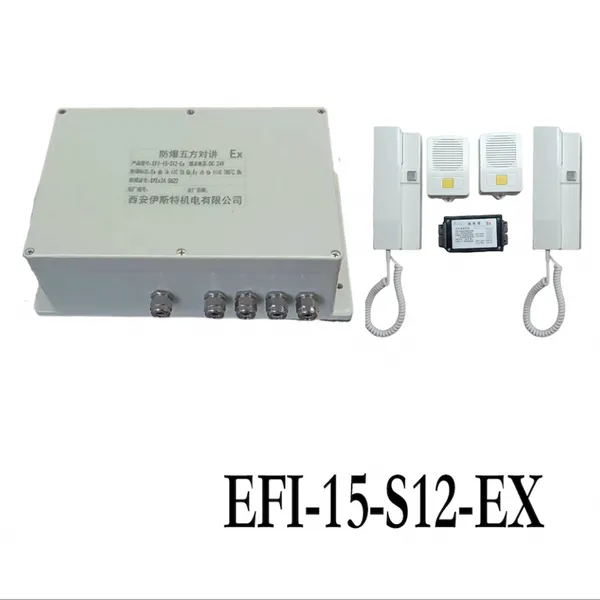
 Elevator Five-Way Intercom System Emergency Telephone Elevator Communication DeviceUS$ 68 - 75MOQ: 1 Set
 -
High Accuracy Elevator Overload Protection System With Load Cell and Weight SensorUS$ 19 - 23MOQ: 1 Set
-
Replacement UC-AP Elevator Load Sensor Full Bridge Load Cell for Elevator Weighing SystemUS$ 175MOQ: 1 Unit
-
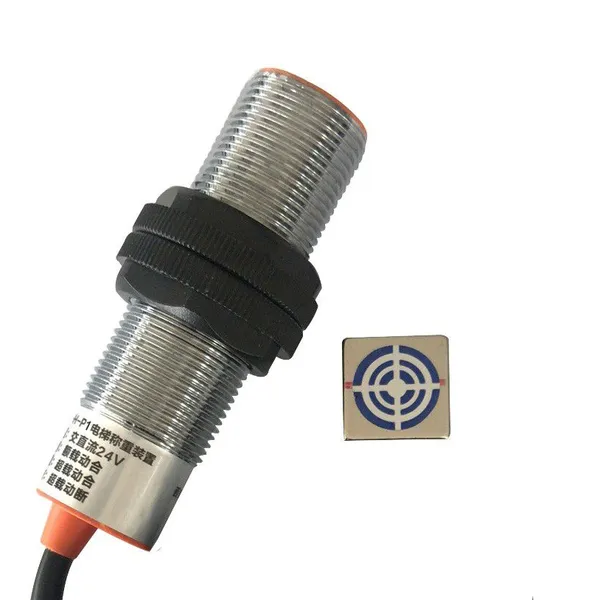
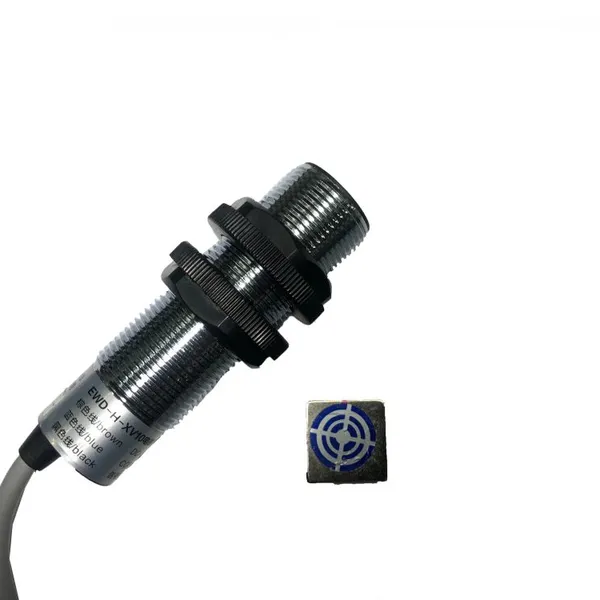
Factory Price Wholesale Elevator Load Weighing Device EWD-H-XV10 High Accuracy/equipment With Integrated Controller and SensorUS$ 40 - 58MOQ: 1 Unit
-
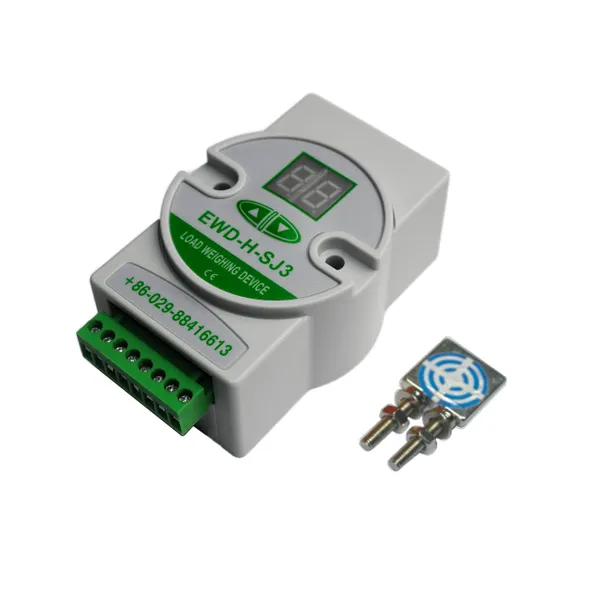
Factory Price Wholesale Elevator Load Weighing Device EWD-H- SJ3 High Accuracy/equipment With Integrated Controller and SensorUS$ 61 - 80MOQ: 1 Set
-
Advanced Elevator Weight Control Sensors With High Accuracy and Field-Adjustable Features (Model:EWD-H-J5)US$ 58 - 76MOQ: 1 Unit
-
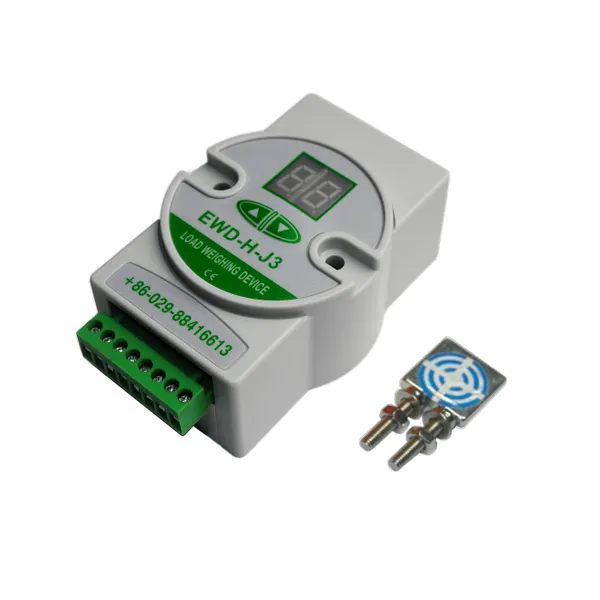
Real-Time Monitoring Elevator Load Sensor (Model: EWD-H-J3) – Customizable & Easy to InstallUS$ 53 - 73MOQ: 1 Unit
-
High Precision Elevator Wire Rope Tension Meter With PC SoftwareUS$ 1925MOQ: 1 Unit
-
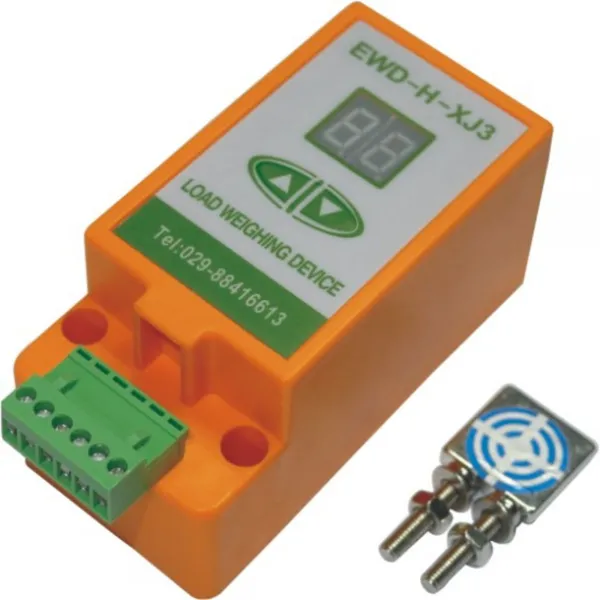
Elevator Load Sensor Elevator Overload Protection Device Lift Weighing System (Model: EWD-H-XJ3)US$ 43 - 65MOQ: 5 Units
-
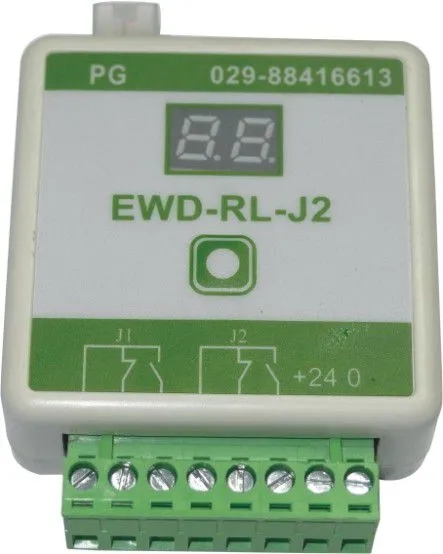
Elevator Weighing Controller Elevator Load Cell(EWD-RL-J2) Weight Detection System /global High Quantity/ISO CEUS$ 78 - 142MOQ: 5 Units

-
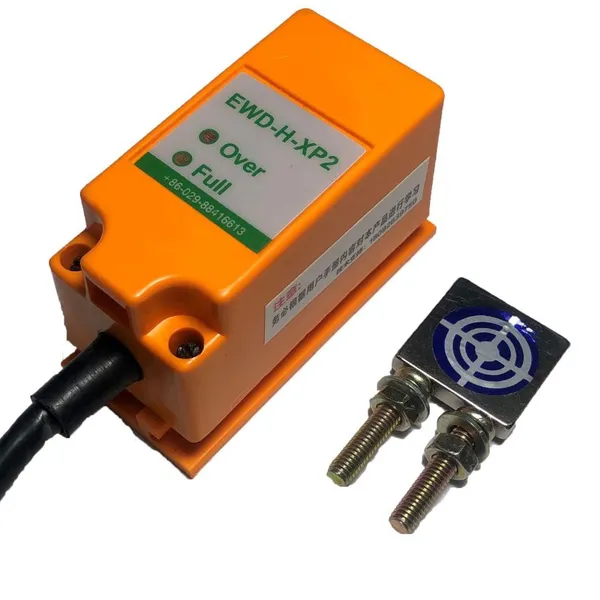
Cost-effective Elevator Weighing Device Lift Load Sensor Elevator Overload Protection System:EWD- H- XP2, On-Site CustomizationUS$ 19 - 24MOQ: 20 Units
-
Wholesale Elevator Load Weighing Sensor (Module:XCL-Y/8625), Simple Structure, Easy Installation, High PrecisionNegotiableMOQ: 5 Units
-
Wholesale Elevator Load Weighing Sensor (XCL-YL/C), Welding, With Simple Structure and Fast Response.,Stock Supports Export to the WorldNegotiableMOQ: 2 Units
-
Factory Direct Sales Elevator Load Cell (XCL- Y/5222) Fast Response TimeNegotiableMOQ: 2 Units
-
Factory Direct Sales/ Global Wholesale Price/elevator Load Cell(XCL-Y-3411)simple and Easy to Install,NegotiableMOQ: 5 Units
-
Special Sensor for Villa Ladder(XCL-YH/5018) Can be Used With Weighing Controller,with Corrosion ResistanceNegotiableMOQ: 5 Units
-
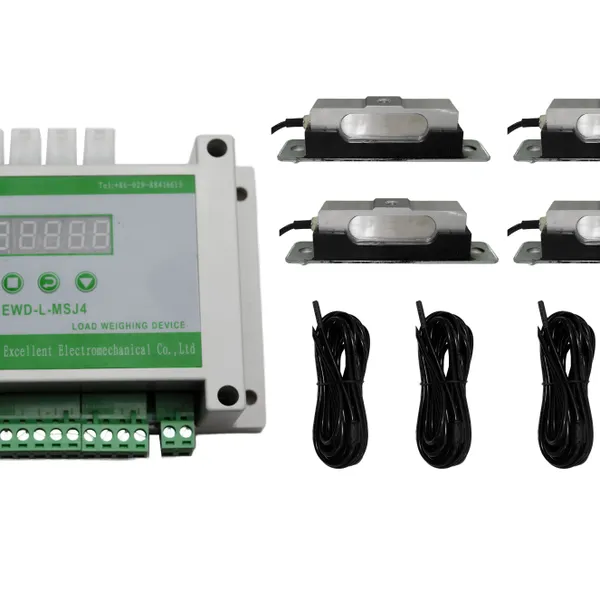
Factory Price Wholesale Elevator Load Weighing Device EWD-L-MSTJ4 High Accuracy/intelligent Temperature Compensation/ISO/CENegotiableMOQ: 5 Sets
-
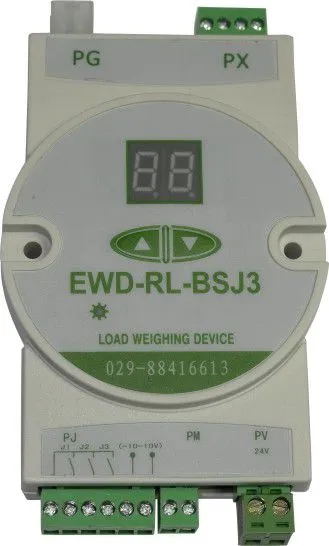
Factory Price Wholesale Elevator Load Weighing Device EWD-RL- BSJ3 High Accuracy/equipment With Integrated Controller and SensorNegotiableMOQ: 2 Sets
-
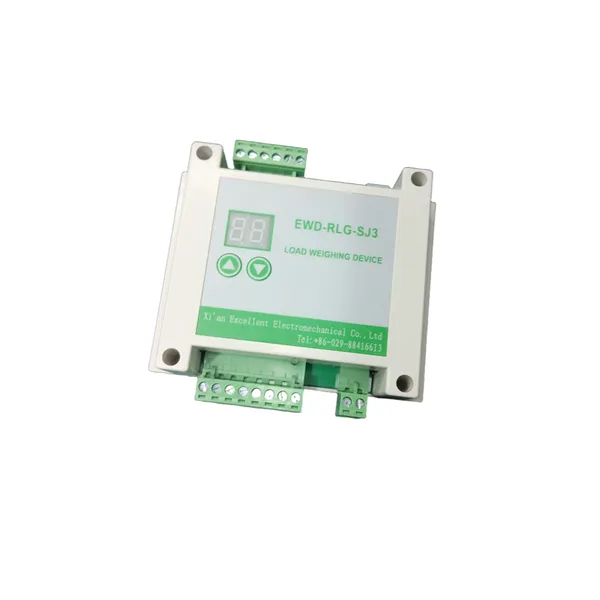
Factory Price Wholesale Elevator Load Weighing Device EWD-RLG-SJ3 High Accuracy/equipment With Integrated Controller and SensorNegotiableMOQ: 5 Sets
-
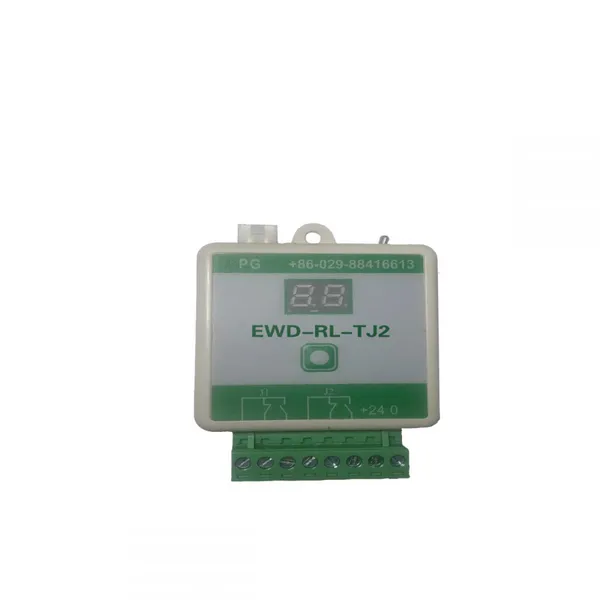
Factory Price Wholesale Elevator Load Weighing Device EWD- RL-TJ2 High Accuracy/ISO/CENegotiableMOQ: 5 Sets