Business License
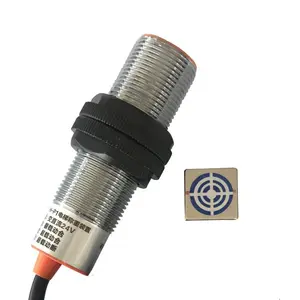
Sensors in the Food Industry: Revolutionizing Quality, Safety, and Efficiency
The food industry is constantly evolving to meet the demands of a growing population, stricter regulatory standards, and the need for sustainable practices. Sensors have become indispensable tools in this sector, enabling precise monitoring, quality control, and real-time data analysis. By integrating sensors into food production, processing, and distribution, companies can ensure safety, optimize resources, and maintain consistent product quality. This article explores the impact of sensors in the food industry and highlights how our innovative products can enhance your operations.
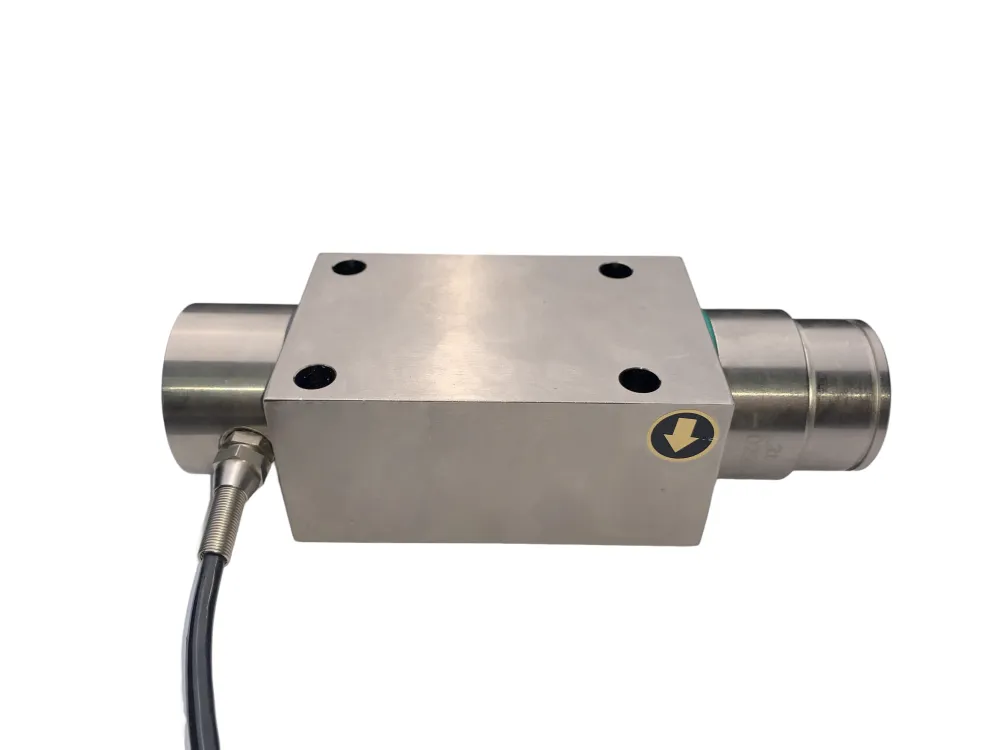
Impact of Sensors in the Food Industry
Temperature and Humidity Monitoring
Temperature and humidity are critical factors in food safety and shelf life. Sensors are used throughout the supply chain to monitor cold storage, refrigeration systems, and packaging conditions. By maintaining optimal temperature ranges, sensors help prevent spoilage, reduce waste, and ensure compliance with food safety regulations.Quality Control and Consistency
Sensors enable real-time monitoring of product quality during processing. For example, sensors can measure parameters such as texture, color, and moisture content, ensuring consistent product quality and reducing defects.Food Safety and Contamination Detection
Advanced sensors can detect contam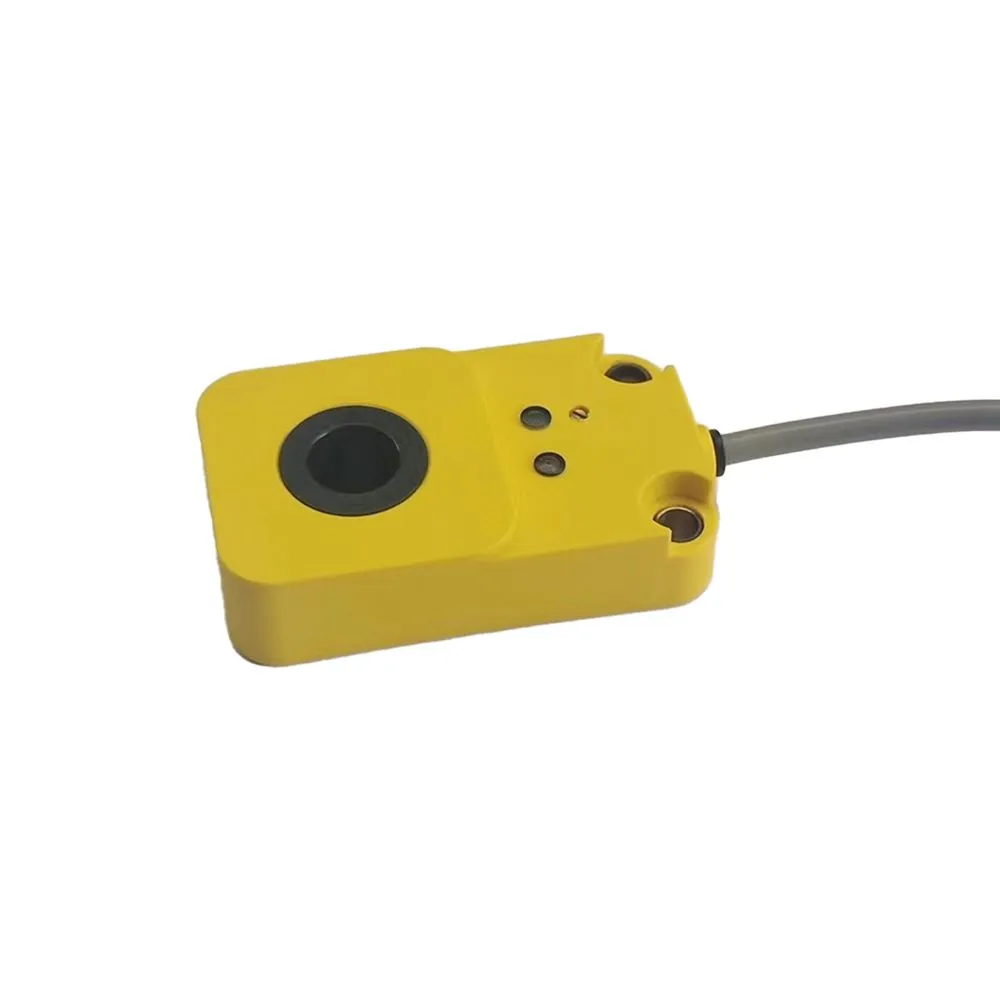
inants, such as bacteria, heavy metals, or foreign objects, in raw materials or finished products. This helps prevent foodborne illnesses and ensures compliance with food safety standards.
Process Optimization
Sensors provide valuable data on production processes, such as mixing, cooking, and packaging. This data can be used to optimize workflows, reduce energy consumption, and improve efficiency.Supply Chain Transparency
Sensors embedded in packaging or transportation systems allow for real-time tracking of food products. This ensures that products remain within safe temperature and humidity ranges during transit, reducing the risk of spoilage.Waste Reduction
By monitoring expiration dates, spoilage indicators, and storage conditions, sensors help reduce food waste, which is a significant challenge in the food industry.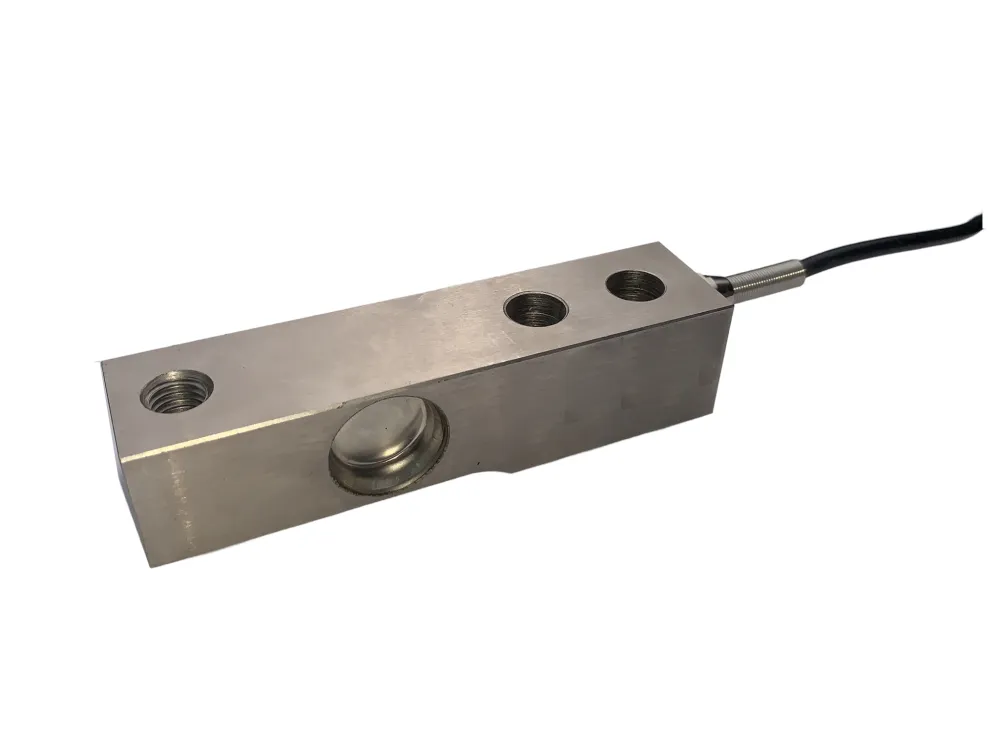
Key Features of High-Quality Food Industry Sensors
Precision and Accuracy
Sensors must provide reliable and accurate measurements to ensure the safety and quality of food products.Durability and Hygiene
Sensors designed for the food industry must be resistant to harsh environments, such as high temperatures, moisture, and frequent cleaning.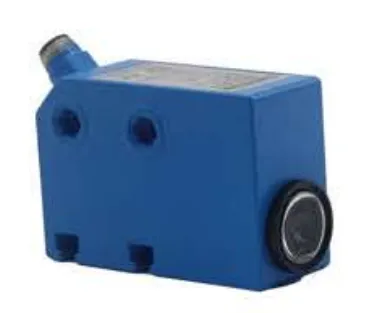
Real-Time Data
Real-time data transmission allows for immediate action to be taken if any deviations occur, minimizing risks and downtime.Customization
Sensors can be tailored to specific food types, production processes, and rd regulatory requirements, ensuring optimal performance.
Our company offers a range of sensors designed to meet the unique challenges of the food industry:
Temperature and Humidity Sensors
These sensors are ideal for monitoring cold storage, refrigeration systems, and packaging conditions. They provide accurate readings in real time, ensuring food safety and reducing waste.Weight and Pressure Sensors
Used in processing and packaging, these sensors ensure consistent product weight and proper sealing, reducing defects and improving customer satisfaction.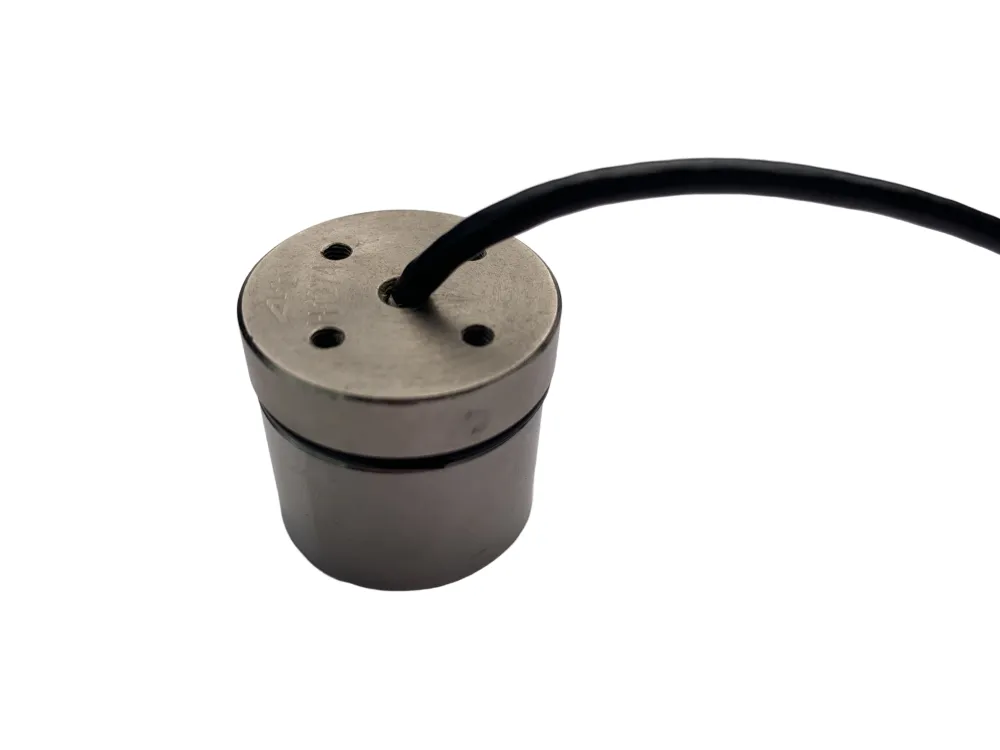
pH and Chemical Sensors
These sensors measure acidity, moisture, and other chemical properties, ensuring product quality and safety during production.Gas Sensors
Detect harmful gases, such as carbon dioxide or ethylene, to monitor food ripening and freshness in storage facilities.Customizable Sensors
Our sensors can be programmed to meet the specific needs of your production process, ensuring seamless integration into your workflow.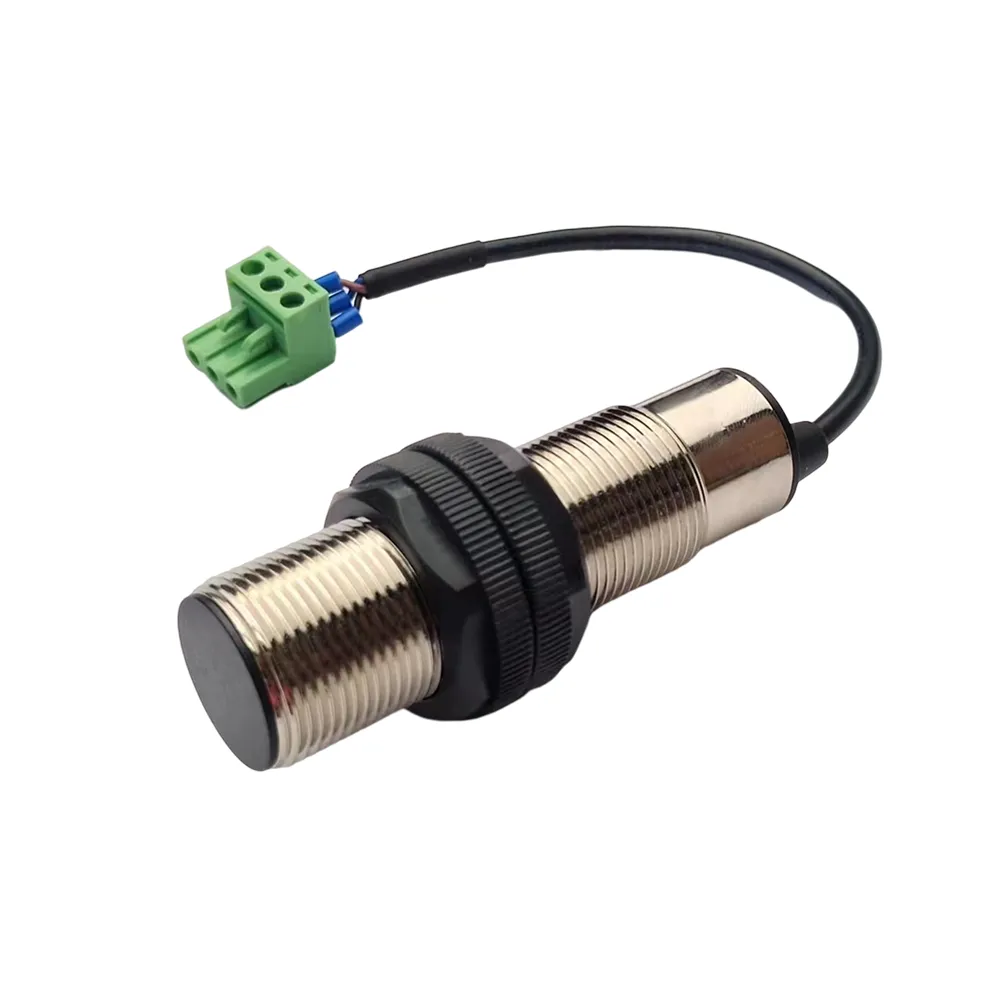
Why Choose Our Products?
Performance Stability
Our sensors are built to deliver consistent and reliable performance, even in challenging environments.Fast Reaction Time
Real-time data acquisition and processing enable quick decision-making, minimizing risks and downtime.Customization
We offer flexible customization options to meet the unique requirements of your food production process.
Conclusion
Sensors are transforming the food industry by enhancing quality, safety, and efficiency. From monitoring temperature and humidity to detecting contaminants, sensors provide actionable insights that help businesses thrive in a competitive market. By choosing our sensors, you can ensure that your food products meet the highest standards of quality and safety while optimizing your operations.
Contact us today to learn more about how our sensors can revolutionize your food production process and help you achieve success in the food industry.
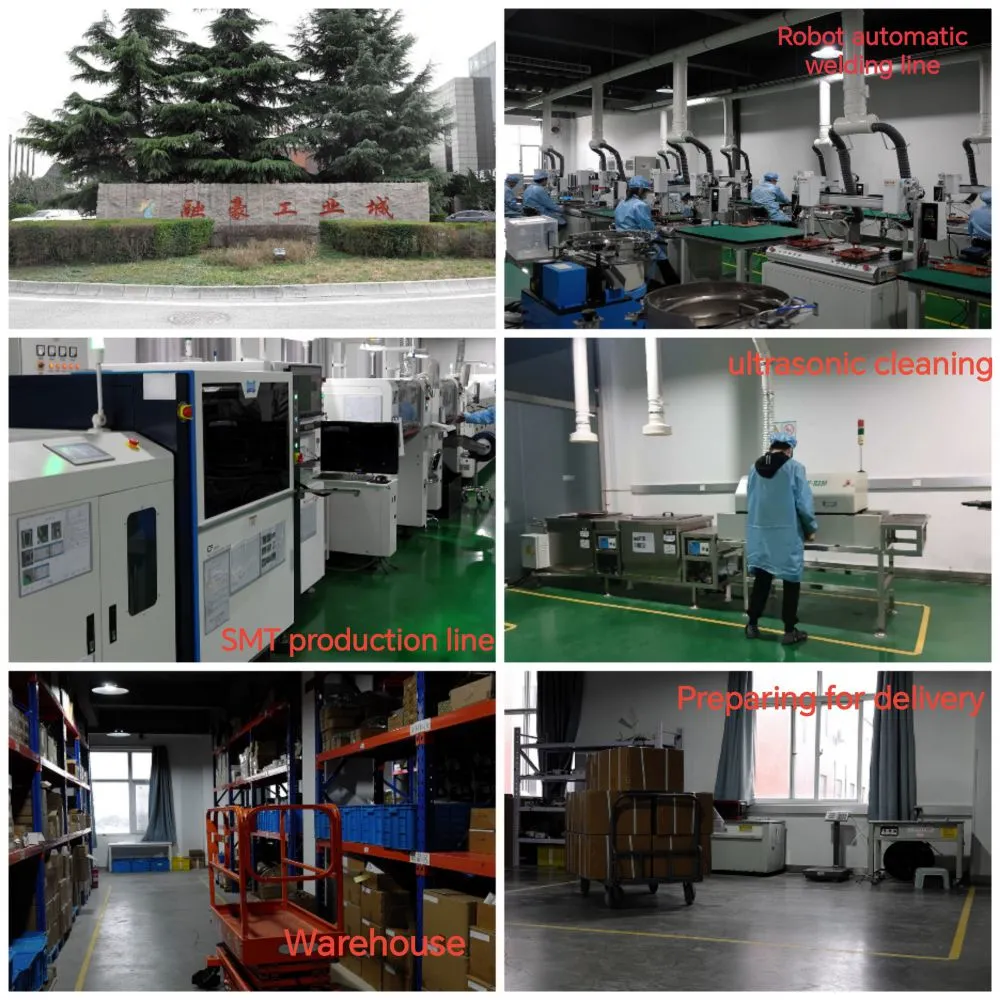
website:https://elevatorest.com/
WhatsApp: +86 18092239472
Email:fmssales3@xafms.com
Recently Posted
-
Why Elevator Weight Measurement Equipment Is Essential for Modern Buildings
October 17, 2025Elevators are an essential part of modern buildings, providing efficient vertical transportation in residential, commercial, and i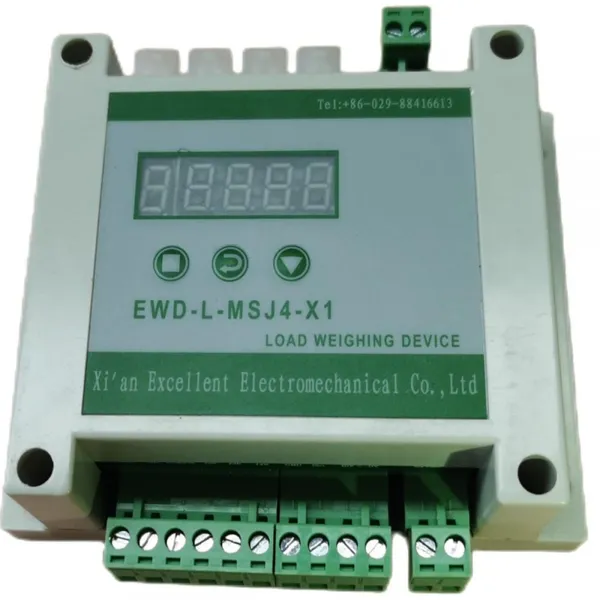 Read More
 -
Elevator Load Sensors: Choosing the Perfect Fit for Your System
October 15, 2025How to Choose the Right Load Sensors for Elevators: A Comprehensive GuideElevator load sensors are critical components that ensure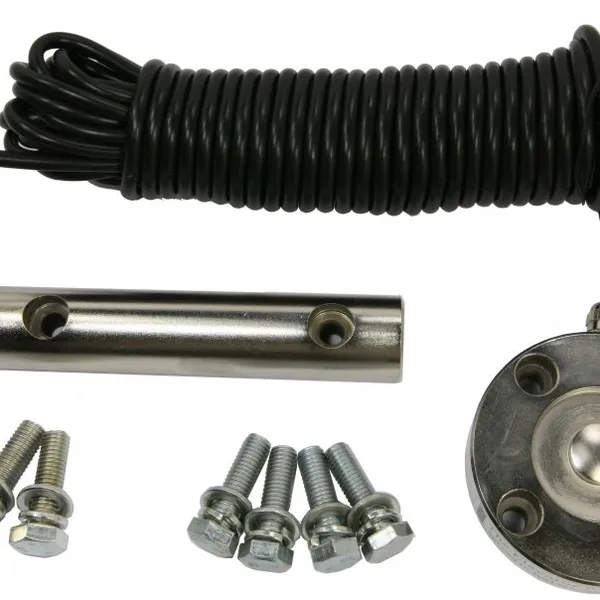 Read More
 -
Top Tips for Finding the Most Cost-Effective Elevator Weight Measurement Systems
October 11, 2025How to Find the Most Cost-Effective Elevator Weight Measurement SystemsWhen it comes to selecting elevator weight measurement syst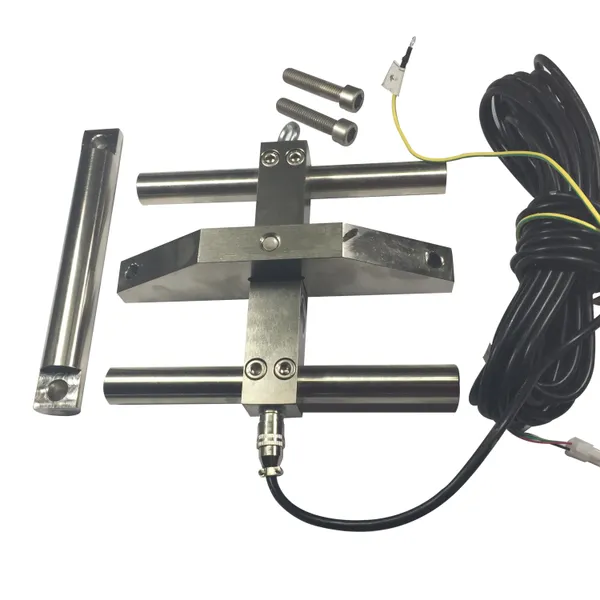 Read More
 -
Enhance Elevator Safety: A Comprehensive Guide to Choosing Weight Measurement Equipment
October 10, 2025How to Choose the Right Elevator Weight Measurement EquipmentElevators are essential components of modern buildings, and ensuring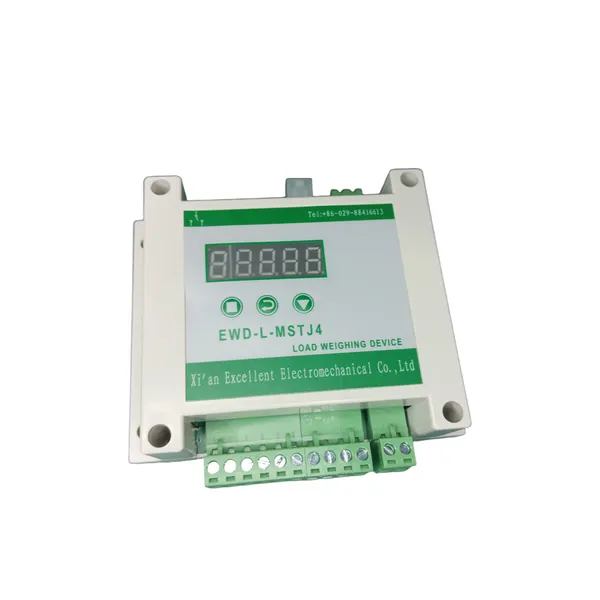 Read More

Contact Us
Recommended Products
-
 Elevator Five-Way Intercom System Emergency Telephone Elevator Communication DeviceUS$ 68 - 75MOQ: 1 Set
 -
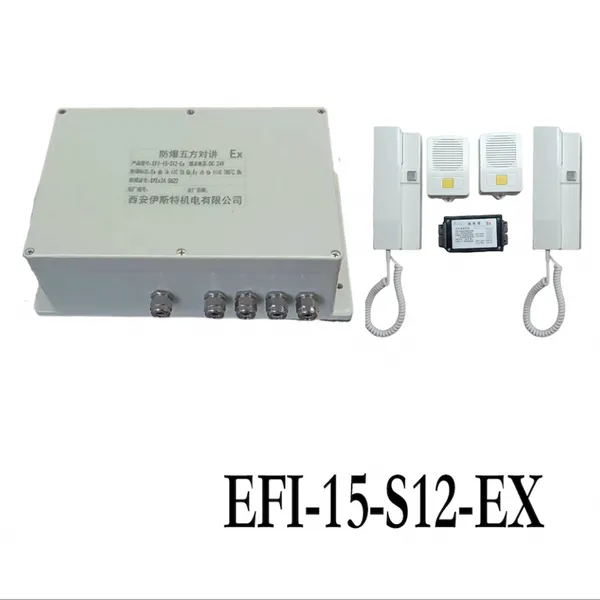
High Accuracy Elevator Overload Protection System With Load Cell and Weight SensorUS$ 19 - 23MOQ: 1 Set
-
Replacement UC-AP Elevator Load Sensor Full Bridge Load Cell for Elevator Weighing SystemUS$ 175MOQ: 1 Unit
-
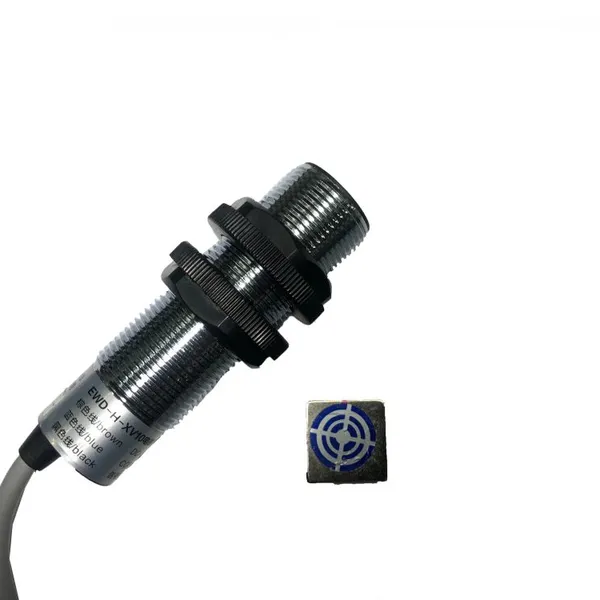
Factory Price Wholesale Elevator Load Weighing Device EWD-H-XV10 High Accuracy/equipment With Integrated Controller and SensorUS$ 40 - 58MOQ: 1 Unit
-
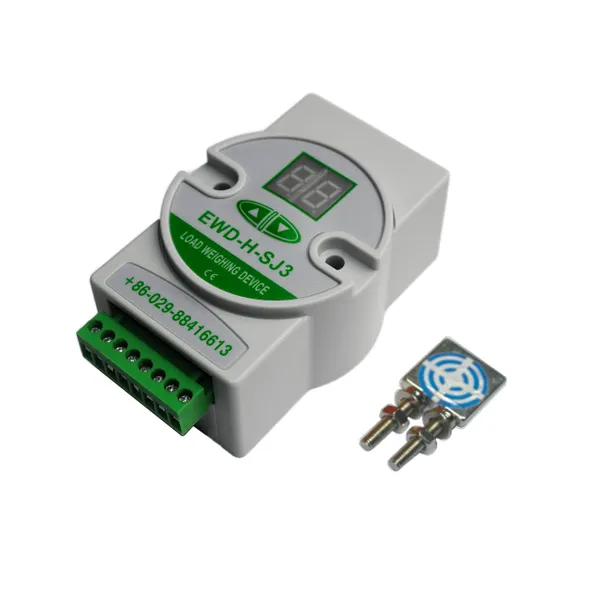
Factory Price Wholesale Elevator Load Weighing Device EWD-H- SJ3 High Accuracy/equipment With Integrated Controller and SensorUS$ 61 - 80MOQ: 1 Set
-
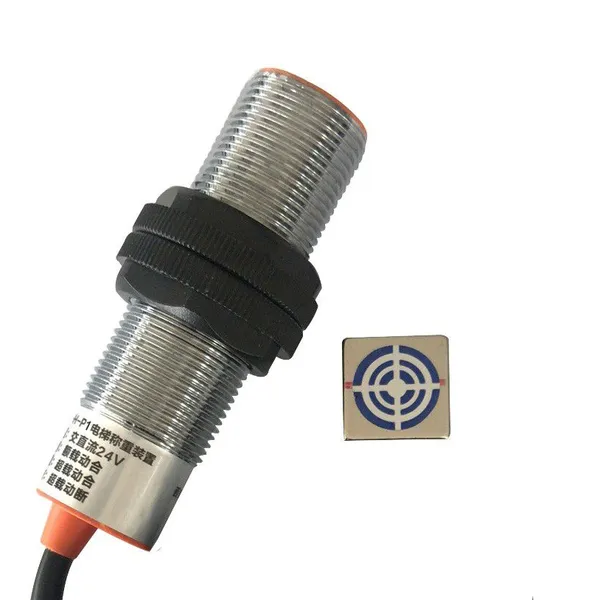
Advanced Elevator Weight Control Sensors With High Accuracy and Field-Adjustable Features (Model:EWD-H-J5)US$ 58 - 76MOQ: 1 Unit
-
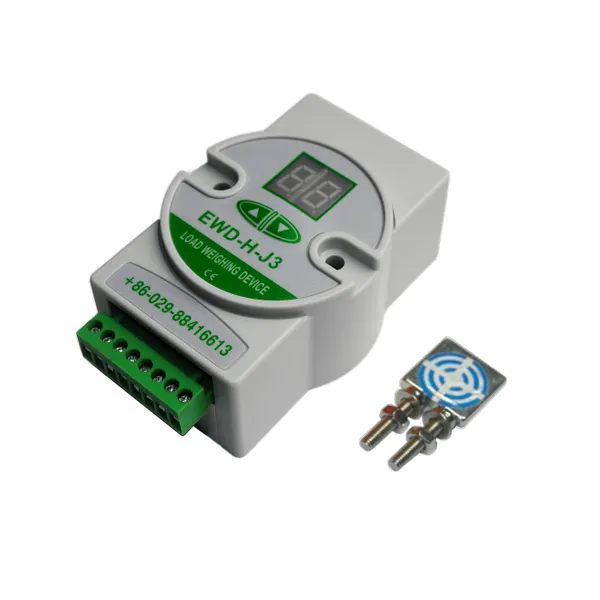
Real-Time Monitoring Elevator Load Sensor (Model: EWD-H-J3) – Customizable & Easy to InstallUS$ 53 - 73MOQ: 1 Unit
-
High Precision Elevator Wire Rope Tension Meter With PC SoftwareUS$ 1925MOQ: 1 Unit
-
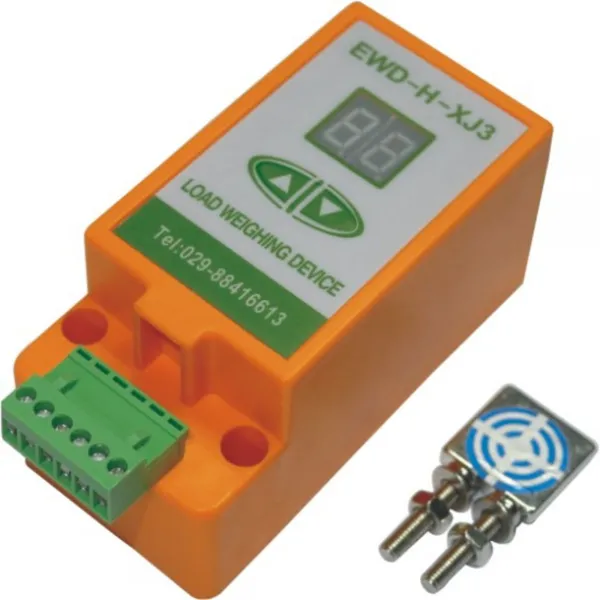
Elevator Load Sensor Elevator Overload Protection Device Lift Weighing System (Model: EWD-H-XJ3)US$ 43 - 65MOQ: 5 Units
-
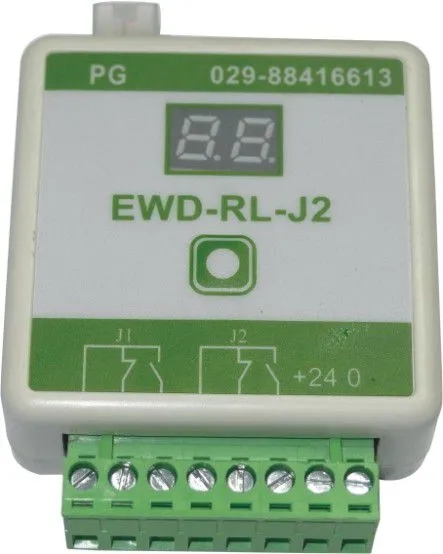
Elevator Weighing Controller Elevator Load Cell(EWD-RL-J2) Weight Detection System /global High Quantity/ISO CEUS$ 78 - 142MOQ: 5 Units

-
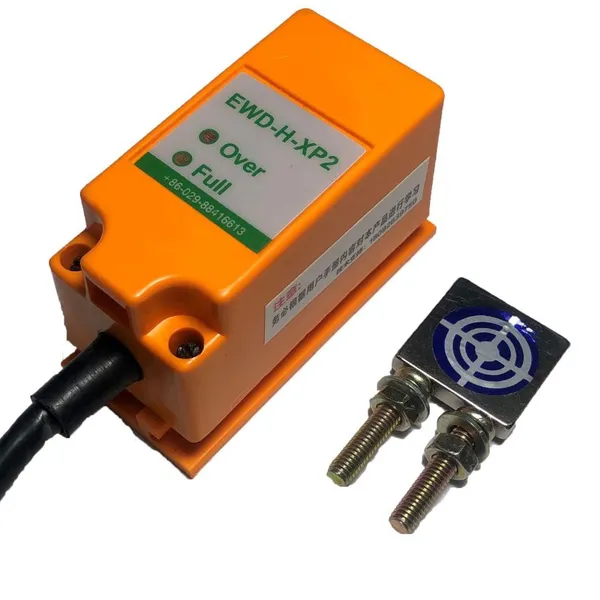
Cost-effective Elevator Weighing Device Lift Load Sensor Elevator Overload Protection System:EWD- H- XP2, On-Site CustomizationUS$ 19 - 24MOQ: 20 Units
-
Wholesale Elevator Load Weighing Sensor (Module:XCL-Y/8625), Simple Structure, Easy Installation, High PrecisionNegotiableMOQ: 5 Units
-
Wholesale Elevator Load Weighing Sensor (XCL-YL/C), Welding, With Simple Structure and Fast Response.,Stock Supports Export to the WorldNegotiableMOQ: 2 Units
-
Factory Direct Sales Elevator Load Cell (XCL- Y/5222) Fast Response TimeNegotiableMOQ: 2 Units
-
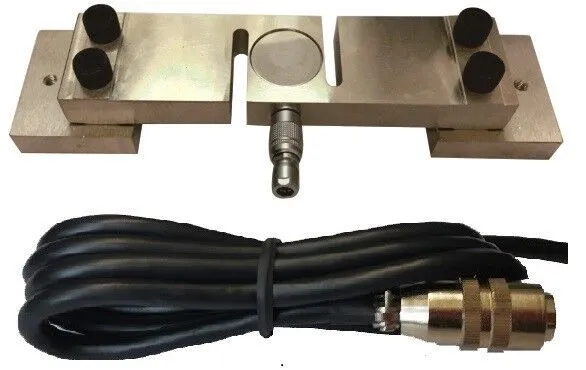
Factory Direct Sales/ Global Wholesale Price/elevator Load Cell(XCL-Y-3411)simple and Easy to Install,NegotiableMOQ: 5 Units
-
Special Sensor for Villa Ladder(XCL-YH/5018) Can be Used With Weighing Controller,with Corrosion ResistanceNegotiableMOQ: 5 Units
-
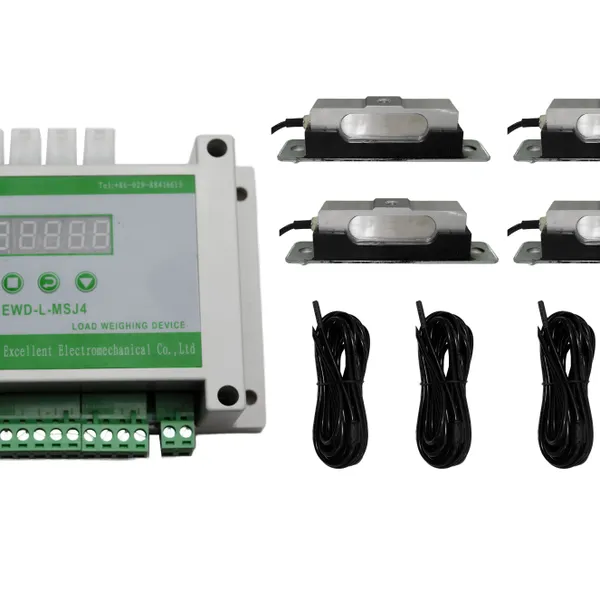
Factory Price Wholesale Elevator Load Weighing Device EWD-L-MSTJ4 High Accuracy/intelligent Temperature Compensation/ISO/CENegotiableMOQ: 5 Sets
-
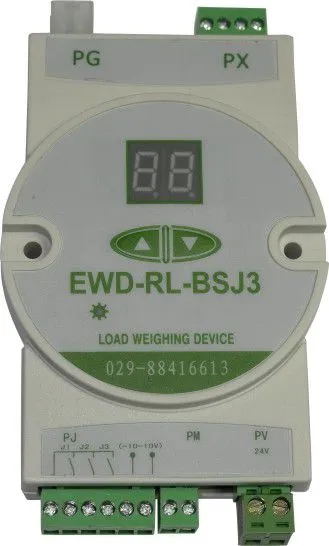
Factory Price Wholesale Elevator Load Weighing Device EWD-RL- BSJ3 High Accuracy/equipment With Integrated Controller and SensorNegotiableMOQ: 2 Sets
-
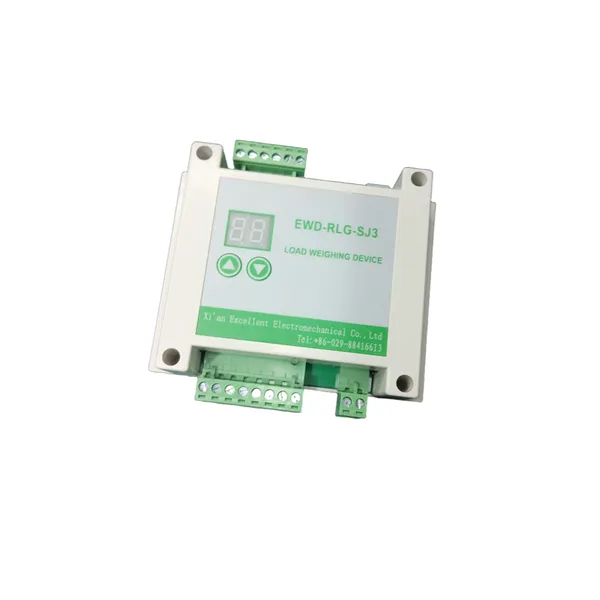
Factory Price Wholesale Elevator Load Weighing Device EWD-RLG-SJ3 High Accuracy/equipment With Integrated Controller and SensorNegotiableMOQ: 5 Sets
-
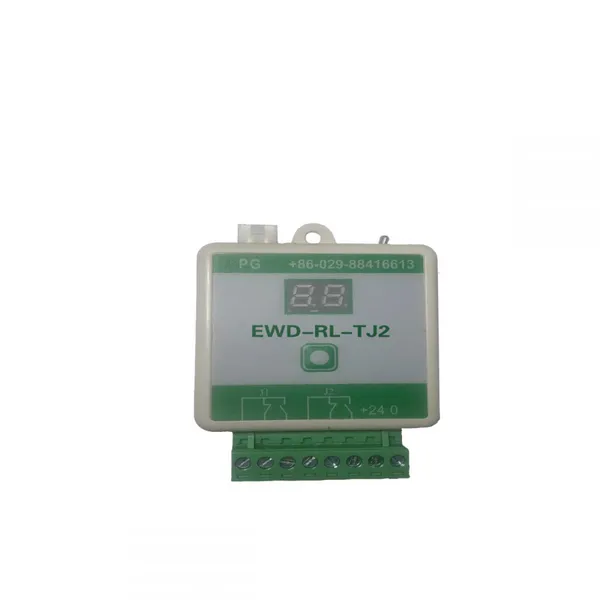
Factory Price Wholesale Elevator Load Weighing Device EWD- RL-TJ2 High Accuracy/ISO/CENegotiableMOQ: 5 Sets