Business License
Sensor Applications in Tower Crane Systems
website:https://fmssensor.com/
WhatsApp: +86 18092239472
Email:fmssales3@xafms.com
Tower cranes are essential equipment in modern construction projects, enabling the lifting and transportation of heavy materials to great heights. Their operation requires precision, safety, and efficiency, which can be significantly enhanced through the integration of advanced sensors. Sensors play a critical role in monitoring various aspects of tower crane operations, ensuring optimal performance, preventing accidents, and improving productivity. This article explores the diverse applications of sensors in tower crane systems and their impact on the construction industry.
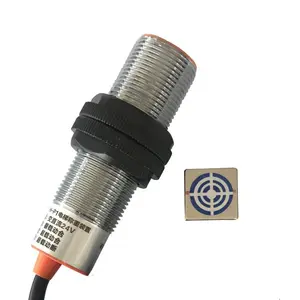
1. Position and Distance Detection
One of the most critical applications of sensors in tower cranes is the detection of the crane's position and the distance between the crane and surrounding structures. Proximity sensors and LiDAR (Light Detection and Ranging) systems are commonly used to measure distances and detect obstacles in real-time. These sensors help prevent collisions with adjacent buildings, other cranes, or construction equipment, ensuring safer operations on crowded construction sites.
For example, in a multi-crane construction environment, sensors can provide accurate data on the spatial positioning of each crane, allowing operators to coordinate movements effectively. This not only reduces the risk of accidents but also optimizes the workflow by minimizing operational delays.
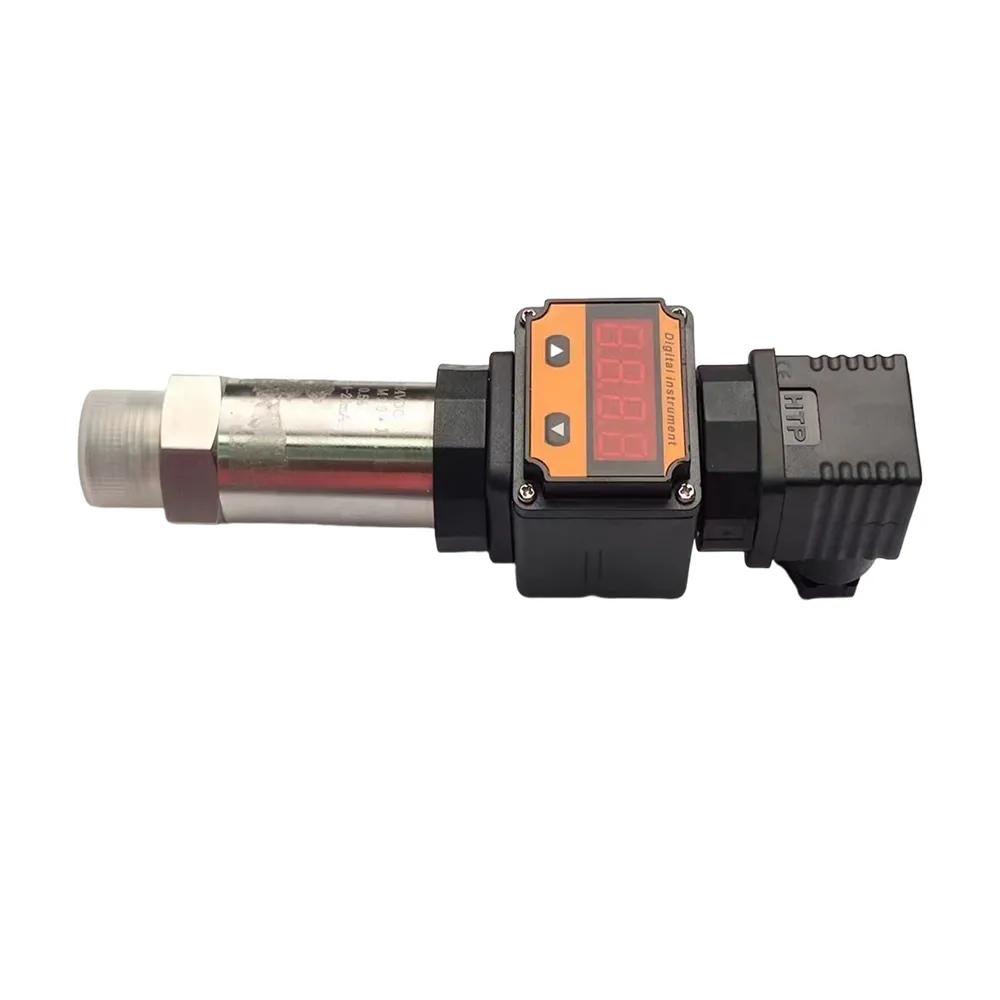
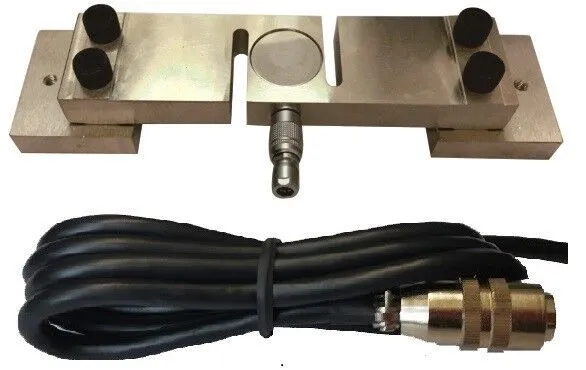
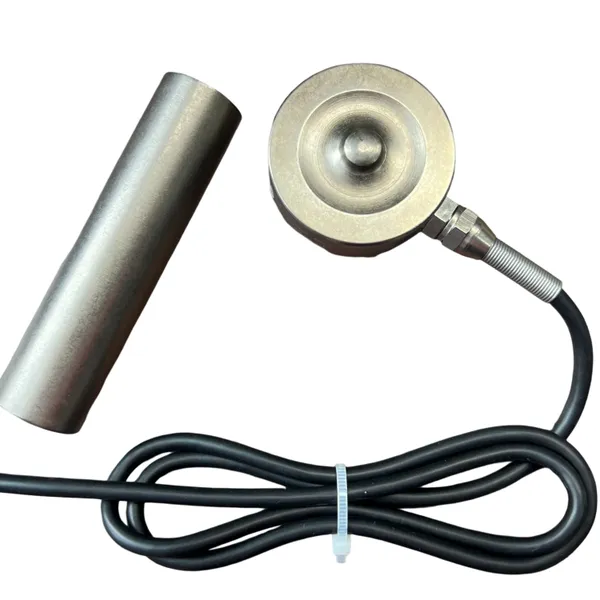
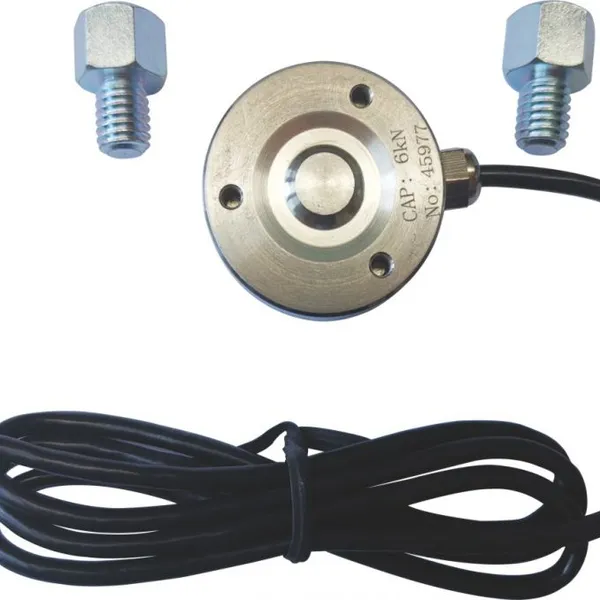
Sensors are also used to monitor the load capacity and weight distribution of tower cranes. Load cell sensors are integrated into the crane's hoisting mechanism to measure the weight of the load being lifted. This data is crucial for ensuring that the crane operates within its safe working limits, preventing overloading and potential structural failures.
Additionally, sensors can provide real-time feedback on the balance of the load, helping operators avoid dangerous tilting or swaying during lifting operations. By continuously monitoring the load, these sensors contribute to both safety and operational efficiency.
3. Motion Control and Stability
Tower cranes often operate in challenging environments, such as high winds or uneven terrain. To maintain stability and precision, sensors are used to monitor the crane's motion and adjust its movements accordingly. Accelerometers and gyroscopes are commonly employed to detect the crane's tilt and vibration, providing feedback to the control system to stabilize the structure.
In extreme weather conditions, sensors can automatically adjust the crane's positioning to counteract external forces, such as wind gusts, ensuring safe and accurate lifting operations. This level of control is essential for maintaining productivity while minimizing the risk of accidents.
4. Environmental Monitoring
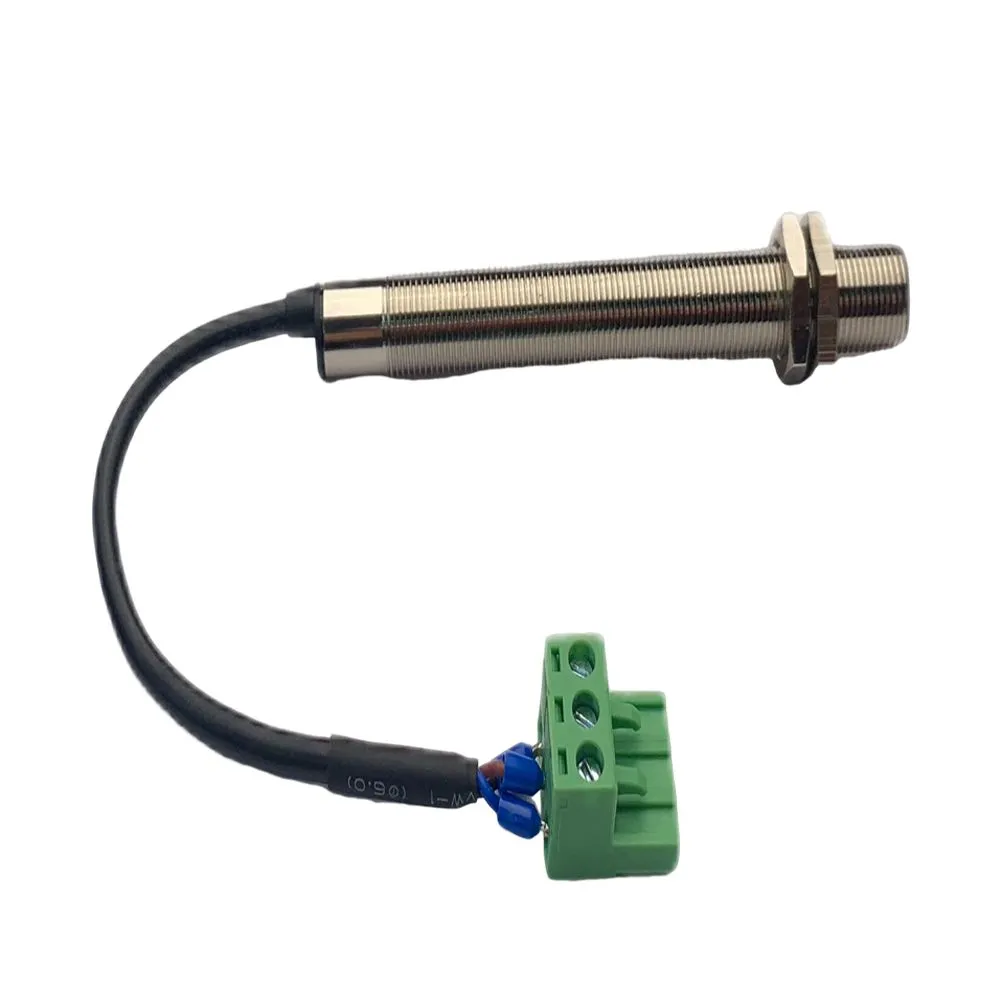
Construction sites are dynamic environments, and tower cranes must adapt to changing conditions to operate safely. Weather sensors are increasingly being integrated into crane systems to monitor environmental factors such as wind speed, temperature, and humidity. These sensors provide real-time data to operators, allowing them to make informed decisions about crane operations.
For instance, if wind speeds exceed a certain threshold, the crane's control system can automatically limit the range of motion or shut down operations to prevent dangerous conditions. This level of environmental awareness enhances both safety and operational efficiency.
5. Predictive Maintenance
Sensors are also instrumental in predictive maintenance for tower cranes. By continuously monitoring the crane's mechanical components, such as motors, hydraulics, and structural joints, sensors can detect early signs of wear and tear or malfunction. Vibration sensors and temperature sensors are particularly useful for identifying potential issues before they escalate into costly repairs or downtime.
Predictive maintenance not only extends the lifespan of the cracrane but also reduces the likelihood of unexpected breakdowns, ensuring uninterrupted construction progress.
6. Enhanced Operator Control
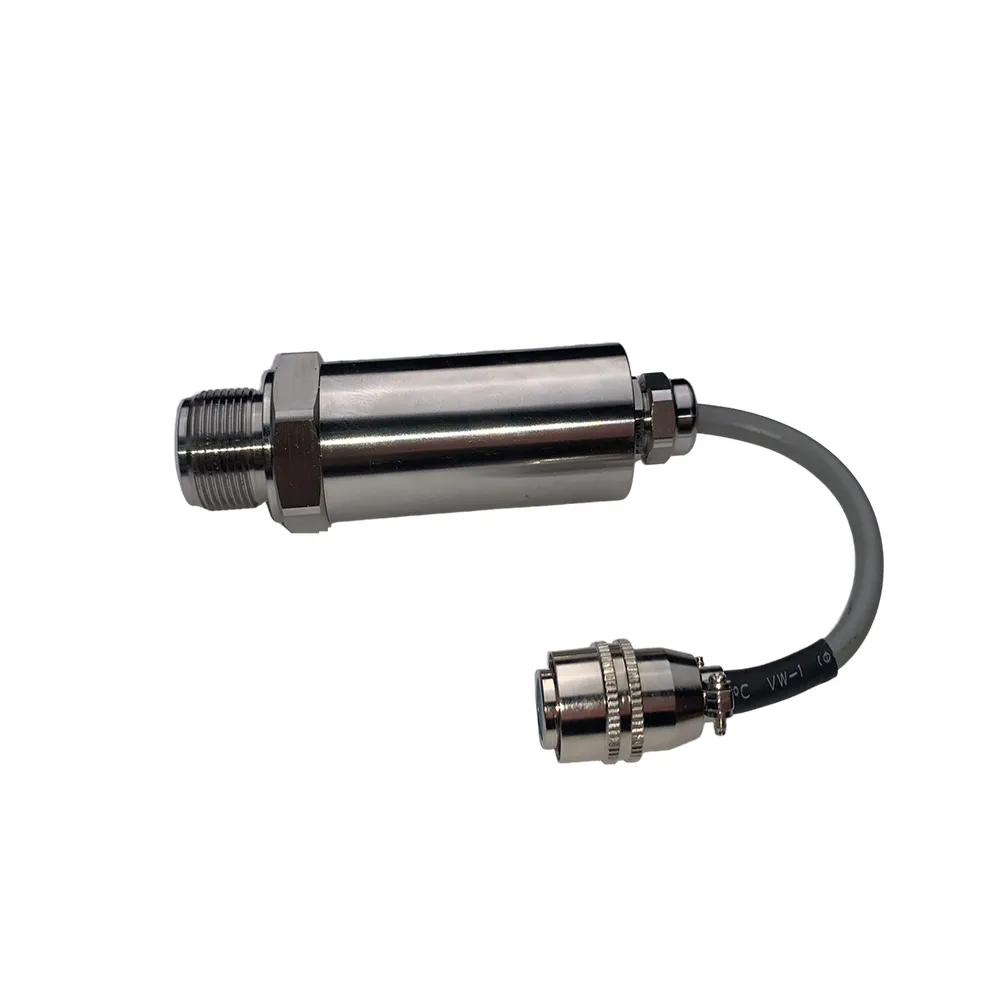
Modern tower cranes are equipped with advanced sensor systems that provide operators with real-time data and feedback. Joystick controls with integrated sensors allow operators to make precise adjustments, while force-sensitive sensors enable operators to monitor the force being applied during lifting operations. This level of control improves the accuracy of movements and reduces the risk of damaging materials or equipment.
Additionally, camera systems with motion sensors can provide a live feed of the crane's surroundings, helping operators maintain situational awareness, especially in low-visibility conditions.
7. Safety Systems
Safety is a top priority in tower crane operations, and sensors play a vital role in ensuring the safety of both operators and construction workers. Collision avoidance systems use sensors to detect potential hazards and alert operators to dangerous situations. In some advanced systems, the crane can automatically adjust its trajectory to avoid collisions, even if the operator fails to respond in time.
Furthermore, emergency stop sensors can detect sudden malfunctions or dangerous conditions and immediately halt crane operations, preventing potential accidents.
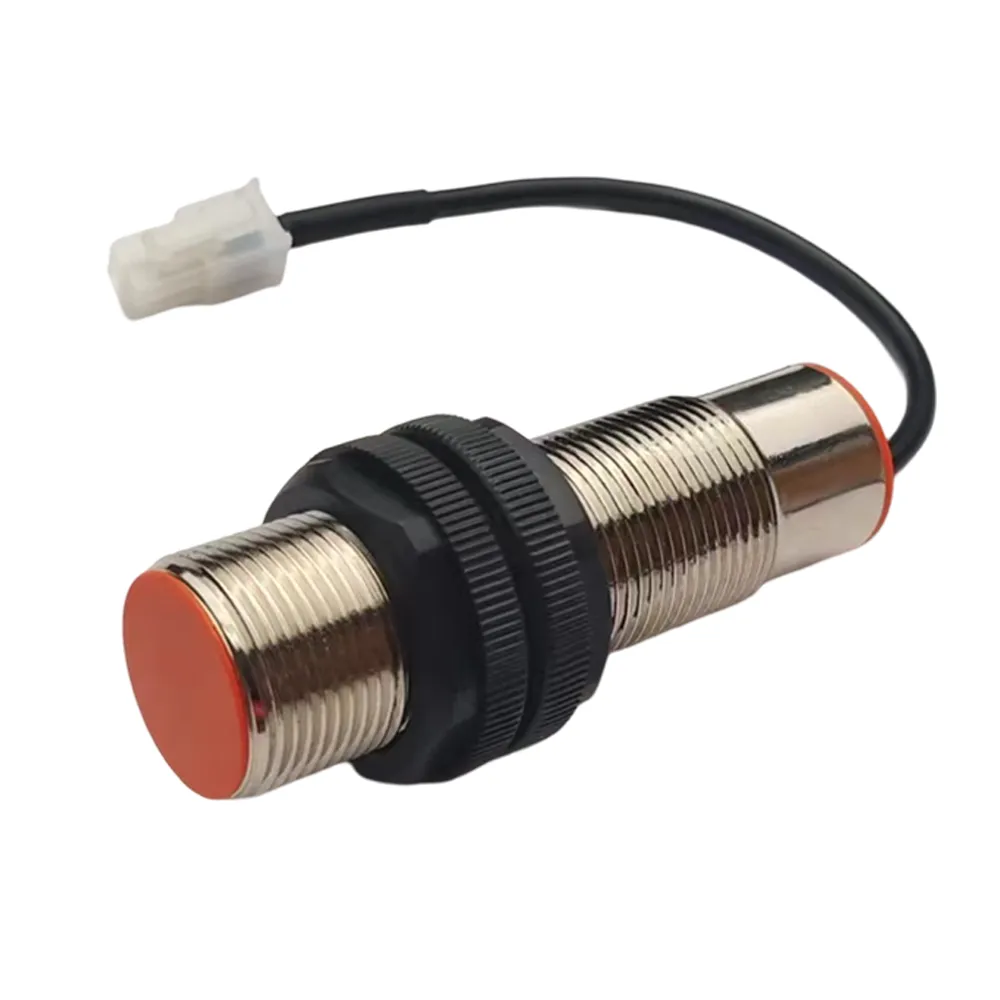
8. Future Trends in Sensor Technology
The integration of advanced sensor technologies, such as AI-driven sensors and IoT (Internet of Things) solutions, is expected to revolutionize tower crane operations in the future. AI-powered sensors can analyze vast amounts of data in real-time, enabling predictive maintenance, optimized load management, and enhanced safety protocols.
Moreover, the use of 5G connectivity will allow sensors to transmit data with unprecedented speed and reliability, enabling seamless communication between cranes, operators, and construction management systems. This will further improve coordination and efficiency on construction sites.
Conclusion
Sensors are transforming the way tower cranes operate, making them safer, more efficient, and more reliable. From load monitoring and motion control to environmental awareness and predictive maintenance, sensors provide critical data and insights that enhance every aspect of crane operations. As technology continues to evolve, the integration of advanced sensors will play an even greater role in shaping the future of construction equipment. By leveraging these innovations, the construction industry can achieve higher levels of productivity while ensuring the safety of workers and equipment.
Recently Posted
-
Why Elevator Weight Measurement Equipment Is Essential for Modern Buildings
October 17, 2025Elevators are an essential part of modern buildings, providing efficient vertical transportation in residential, commercial, and i Read More
 -
Elevator Load Sensors: Choosing the Perfect Fit for Your System
October 15, 2025How to Choose the Right Load Sensors for Elevators: A Comprehensive GuideElevator load sensors are critical components that ensure Read More
 -
Top Tips for Finding the Most Cost-Effective Elevator Weight Measurement Systems
October 11, 2025How to Find the Most Cost-Effective Elevator Weight Measurement SystemsWhen it comes to selecting elevator weight measurement syst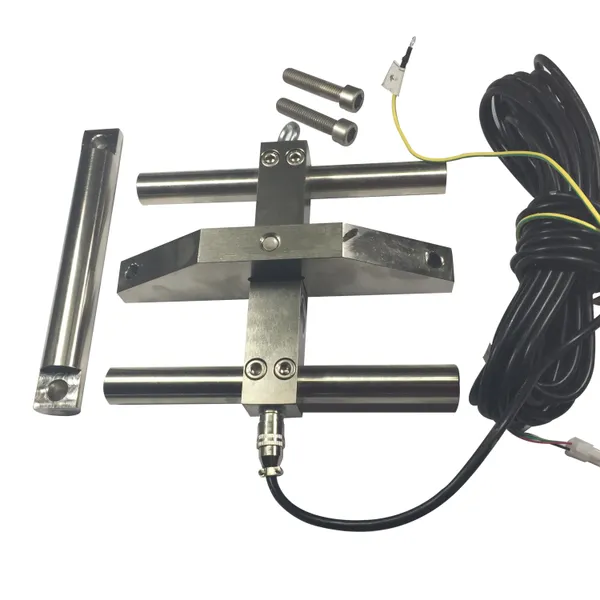 Read More
 -
Enhance Elevator Safety: A Comprehensive Guide to Choosing Weight Measurement Equipment
October 10, 2025How to Choose the Right Elevator Weight Measurement EquipmentElevators are essential components of modern buildings, and ensuring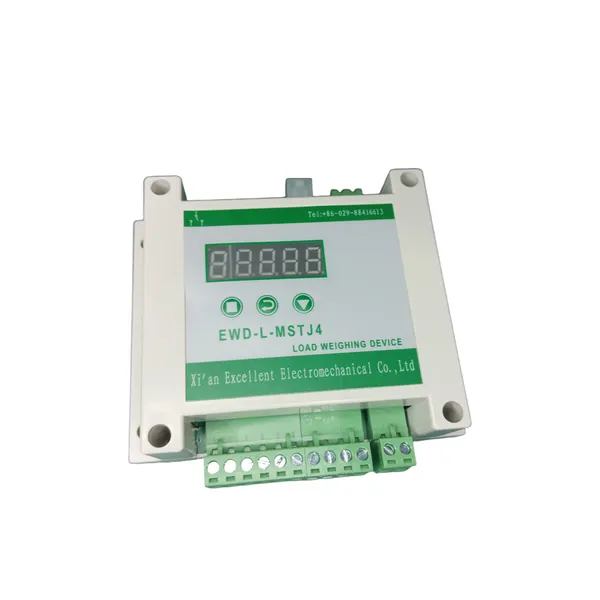 Read More

Contact Us
Recommended Products
-
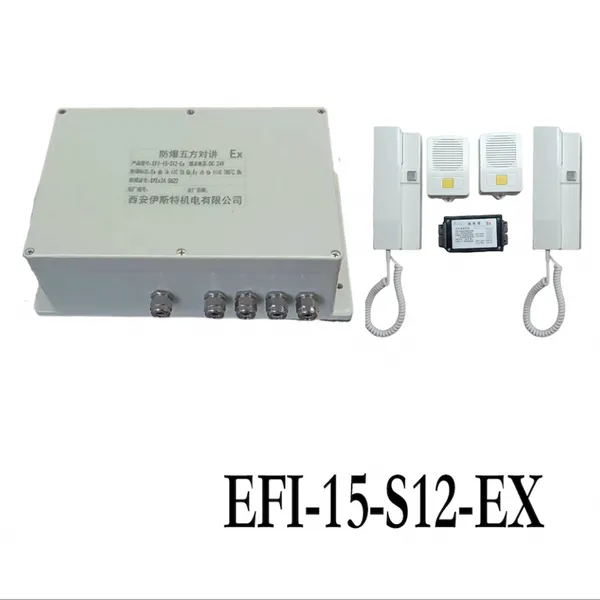
 Elevator Five-Way Intercom System Emergency Telephone Elevator Communication DeviceUS$ 68 - 75MOQ: 1 Set
 -
High Accuracy Elevator Overload Protection System With Load Cell and Weight SensorUS$ 19 - 23MOQ: 1 Set
-
Replacement UC-AP Elevator Load Sensor Full Bridge Load Cell for Elevator Weighing SystemUS$ 175MOQ: 1 Unit
-
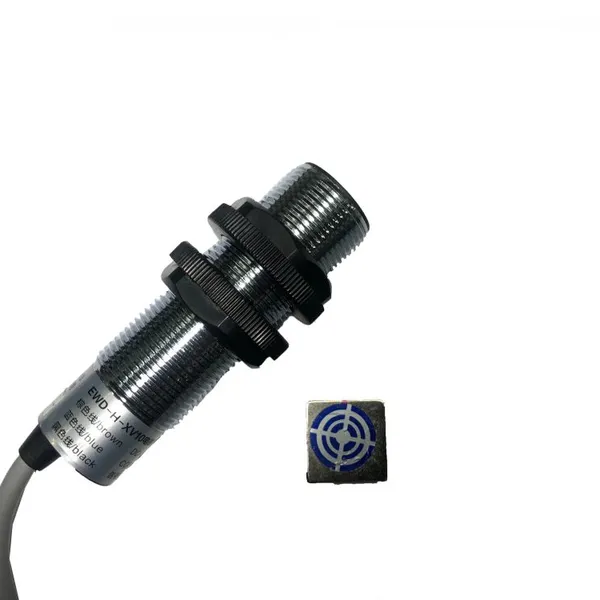
Factory Price Wholesale Elevator Load Weighing Device EWD-H-XV10 High Accuracy/equipment With Integrated Controller and SensorUS$ 40 - 58MOQ: 1 Unit
-
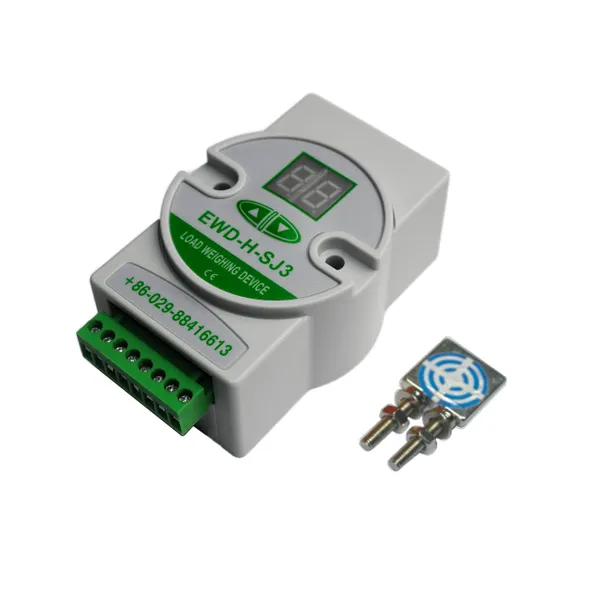
Factory Price Wholesale Elevator Load Weighing Device EWD-H- SJ3 High Accuracy/equipment With Integrated Controller and SensorUS$ 61 - 80MOQ: 1 Set
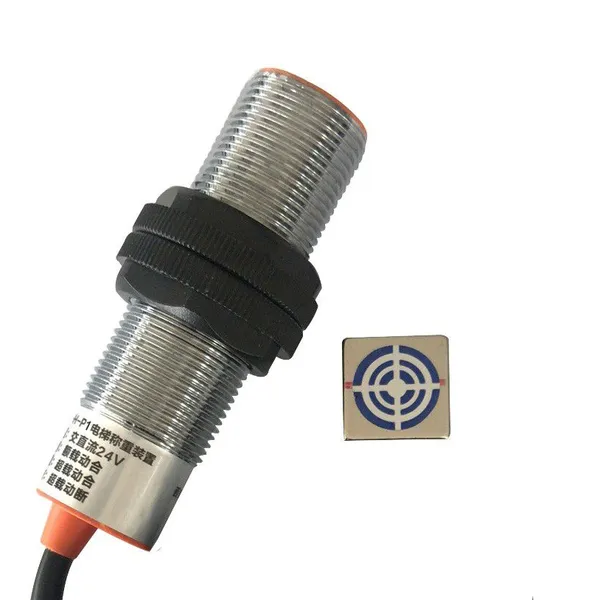
-
Advanced Elevator Weight Control Sensors With High Accuracy and Field-Adjustable Features (Model:EWD-H-J5)US$ 58 - 76MOQ: 1 Unit
-
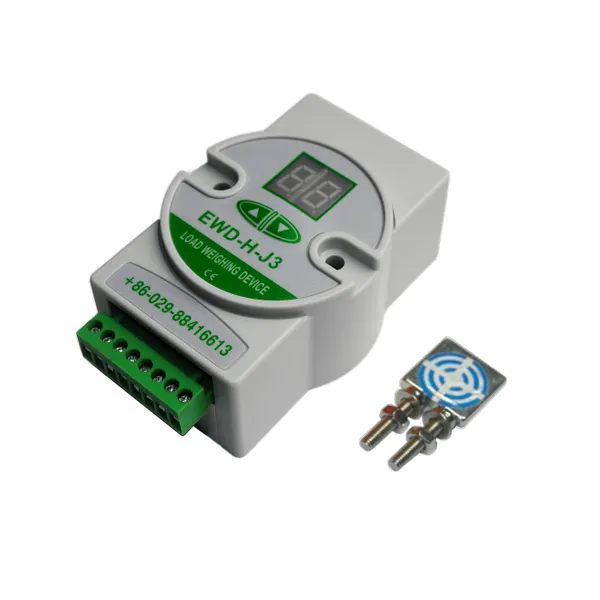
Real-Time Monitoring Elevator Load Sensor (Model: EWD-H-J3) – Customizable & Easy to InstallUS$ 53 - 73MOQ: 1 Unit
-
High Precision Elevator Wire Rope Tension Meter With PC SoftwareUS$ 1925MOQ: 1 Unit
-
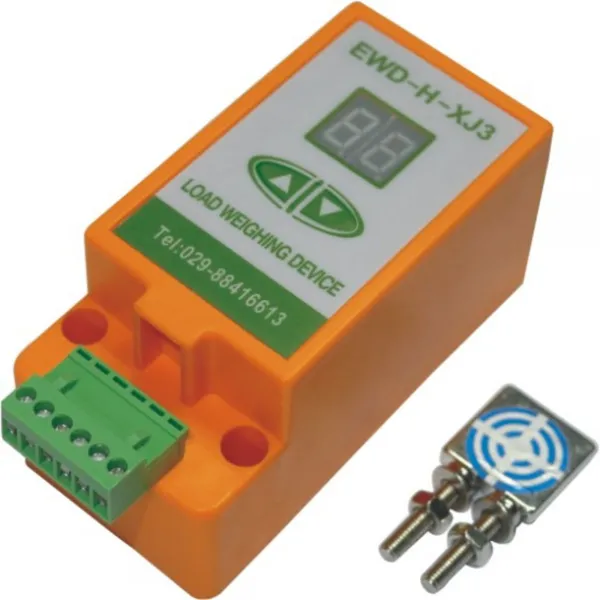
Elevator Load Sensor Elevator Overload Protection Device Lift Weighing System (Model: EWD-H-XJ3)US$ 43 - 65MOQ: 5 Units
-
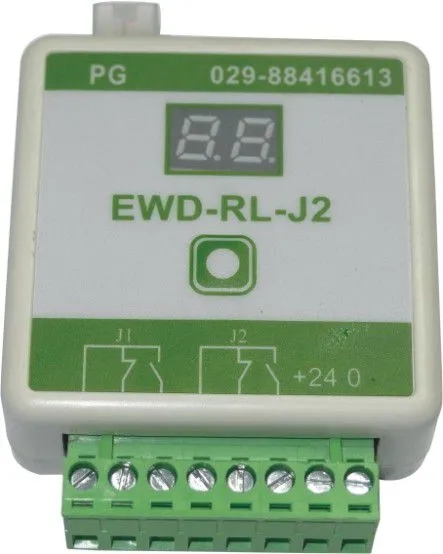
Elevator Weighing Controller Elevator Load Cell(EWD-RL-J2) Weight Detection System /global High Quantity/ISO CEUS$ 78 - 142MOQ: 5 Units

-
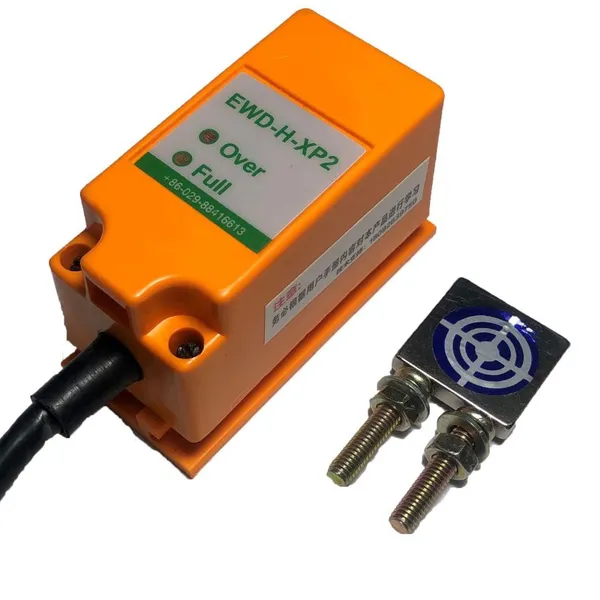
Cost-effective Elevator Weighing Device Lift Load Sensor Elevator Overload Protection System:EWD- H- XP2, On-Site CustomizationUS$ 19 - 24MOQ: 20 Units
-
Wholesale Elevator Load Weighing Sensor (Module:XCL-Y/8625), Simple Structure, Easy Installation, High PrecisionNegotiableMOQ: 5 Units
-
Wholesale Elevator Load Weighing Sensor (XCL-YL/C), Welding, With Simple Structure and Fast Response.,Stock Supports Export to the WorldNegotiableMOQ: 2 Units
-
Factory Direct Sales Elevator Load Cell (XCL- Y/5222) Fast Response TimeNegotiableMOQ: 2 Units
-
Factory Direct Sales/ Global Wholesale Price/elevator Load Cell(XCL-Y-3411)simple and Easy to Install,NegotiableMOQ: 5 Units
-
Special Sensor for Villa Ladder(XCL-YH/5018) Can be Used With Weighing Controller,with Corrosion ResistanceNegotiableMOQ: 5 Units
-
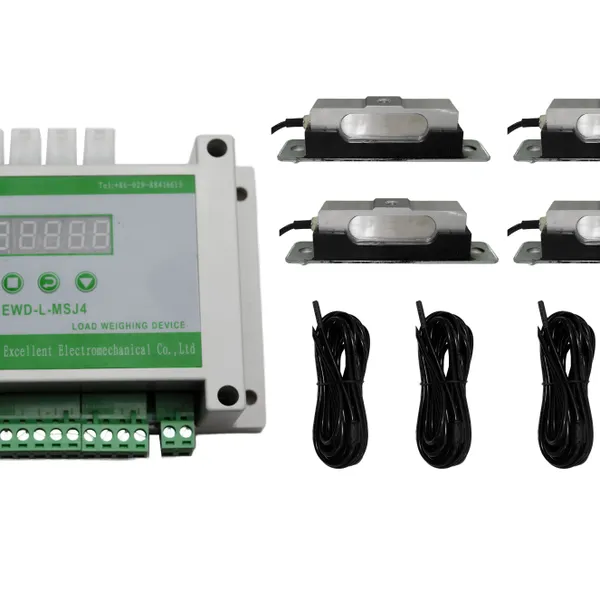
Factory Price Wholesale Elevator Load Weighing Device EWD-L-MSTJ4 High Accuracy/intelligent Temperature Compensation/ISO/CENegotiableMOQ: 5 Sets
-
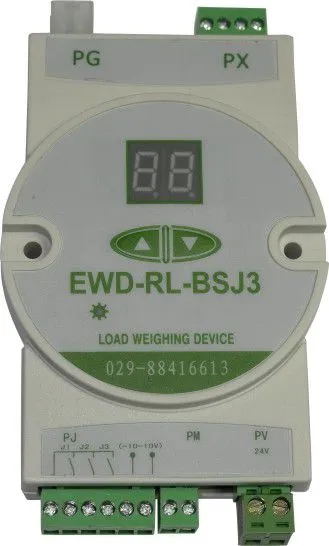
Factory Price Wholesale Elevator Load Weighing Device EWD-RL- BSJ3 High Accuracy/equipment With Integrated Controller and SensorNegotiableMOQ: 2 Sets
-
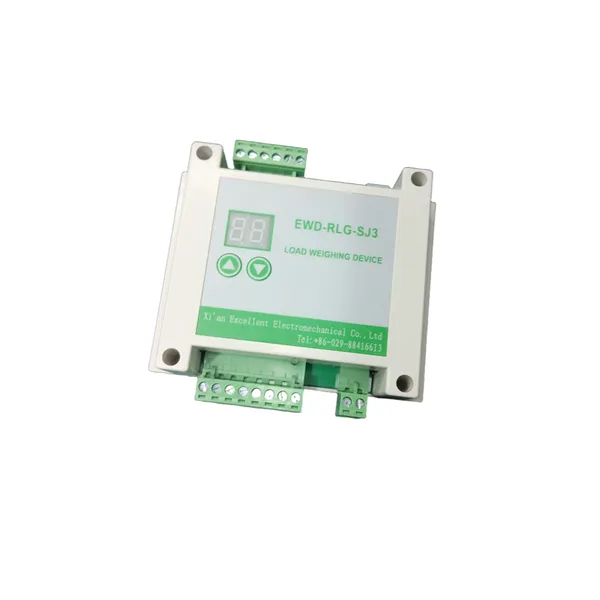
Factory Price Wholesale Elevator Load Weighing Device EWD-RLG-SJ3 High Accuracy/equipment With Integrated Controller and SensorNegotiableMOQ: 5 Sets
-
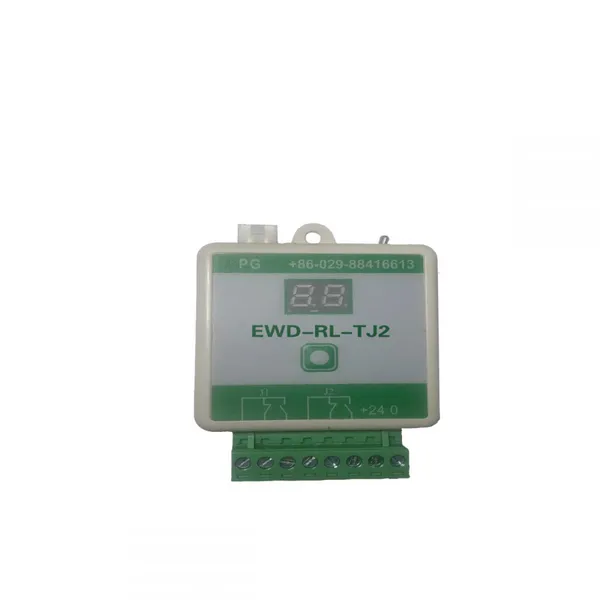
Factory Price Wholesale Elevator Load Weighing Device EWD- RL-TJ2 High Accuracy/ISO/CENegotiableMOQ: 5 Sets