Business License
The Impact of Sensors on Agricultural Equipment: Revolutionizing Farming Practices
Introduction
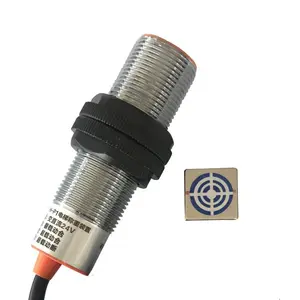
Agriculture has always been the backbone of human civilization, providing the essential resources needed to sustain life. However, with the growing global population and the increasing demand for food, traditional farming methods are no longer sufficient to meet the challenges of modern times. In recent years, the integration of advanced technologies, particularly sensors, into agricultural equipment has brought about transformative changes in the way farming is practiced. Sensors have become a cornerstone of precision agriculture, enabling farmers to optimize resource use, increase crop yields, and reduce environmental impacts. This article explores the significant changes brought about by the use of sensors in agricultural equipment and their implications for the future of farming.
Enhanced Data Collection and Analysis
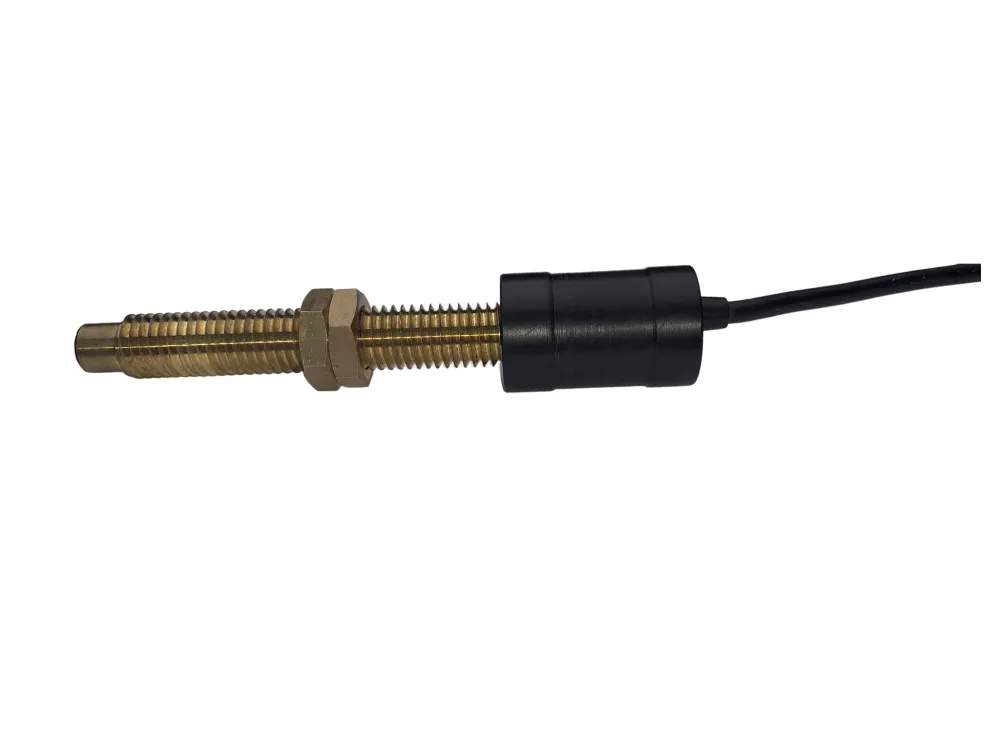
One of the most significant changes brought by sensors in agricultural equipment is the ability to collect and analyze vast amounts of data in real-time. Modern sensors are capable of monitoring a wide range of variables, including soil moisture levels, temperature, humidity, light intensity, and even the presence of pests or diseases. These sensors are integrated into tractors, irrigation systems, drones, and other farming machinery, providing farmers with precise and actionable insights.
For instance, soil moisture sensors allow farmers to monitor water levels in different parts of a field, enabling them to irrigate crops more efficiently. This not only conserves water but also prevents overwatering, which can lead to nutrient leaching and reduced soil fertility. Similarly, temperature and humidity sensors help farmers maintain optimal growing conditions for their crops, reducing the risk of stress and disease.
The data collected by these sensors is often transmitted to cloud-based platforms or mobile applications, where it can be analyzed using advanced algorithms. This analysis provides farmers with recommendations on when to plant, fertilize, or harvest, ensuring that every step of the farming process is optimized for maximum productivity.
Improved Resource Management
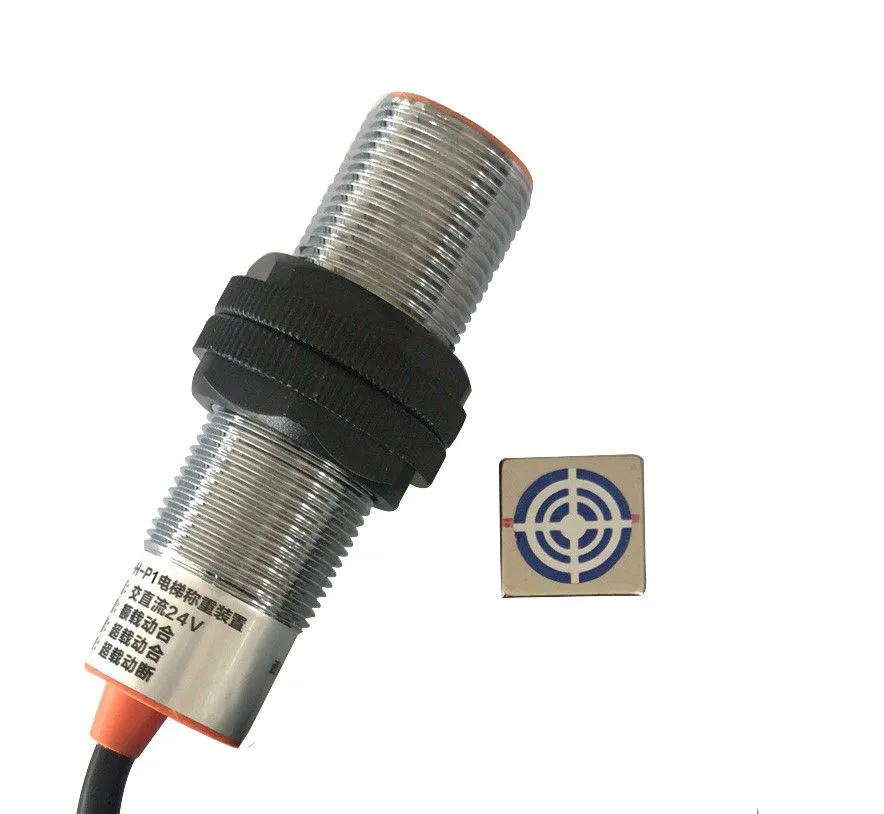
Sensors have also revolutionized the way farmers manage their resources. By providing real-time data on soil conditions, weather patterns, and crop health, sensors enable farmers to make informed decisions about the use of water, fertilizers, and pesticides. This has led to a significant reduction in the overuse of these resources, which not only saves costs but also minimizes environmental damage.
For example, precision irrigation systems equipped with sensors can deliver water directly to the roots of plants, reducing water waste by up to 30%. Similarly, sensors that detect nitrogen levels in the soil allow farmers to apply fertilizers more precisely, ensuring that crops receive the exact amount of nutrients they need without over-fertilizing. This not only improves crop yields but also reduces the risk of nutrient of nutrient runoff into nearby water bodies, which can harm aquatic ecosystems.
Increased Crop Yields and Quality
The use of sensors in agricultural equipment has also led to a noticeable increase in crop yields and quality. By enabling farmers to monitor and respond to changes in crop conditions in real-time, sensors help to prevent yield losses caused by pests, diseases, and environmental stressors.
For instance, sensors that detect the presence of pests or diseases can alert farmers to potential threats before they become widespread. This allows farmers to take immediate action, such as applying targeted pesticides or removing infected plants, to prevent the problem from escalating. Similarly, sensors that monitor light intensity and temperature can help farmers optimize the growing conditions for their crops, leading to higher yields and better-quality produce.
Sustainability and Environmental Benefits
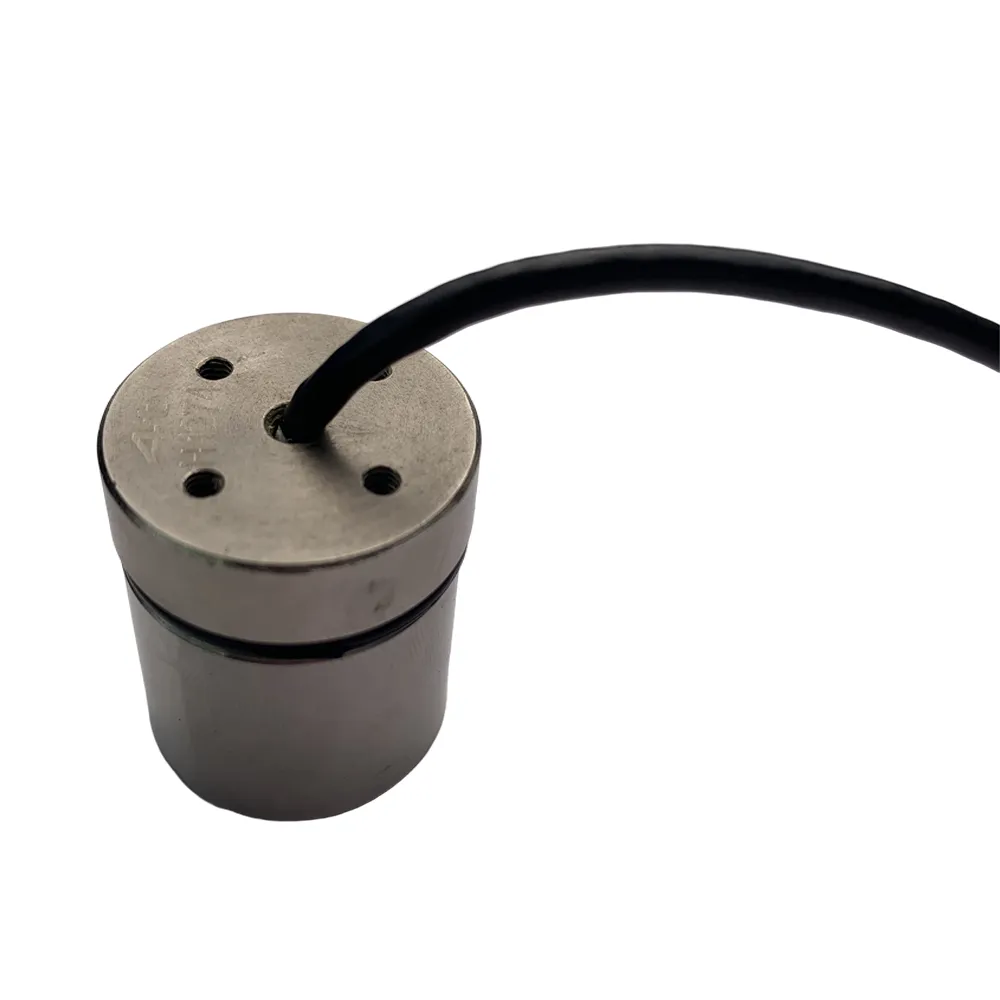
Sensors have also played a crucial role in making agriculture more sustainable. By optimizing the use of resources and reducing waste, sensors help to minimize the environmental impact of farming. For example, sensors that monitor weather conditions can help farmers adjust their planting and harvesting schedules to adapt to changing climate patterns, reducing the risk of crop failure.
Additionally, sensors that detect methane emissions from livestock can help farmers reduce their carbon footprint by identifying and mitigating sources of greenhouse gas emissions. This not only benefits the environment but also aligns with the growing demand for sustainable and eco-friendly farming practices.
Empowering Farmers with Precision Agriculture
The integration of sensors into agricultural equipment has also empowered farmers with the tools needed to practice precision agriculture. Precision agriculture is an approach that relies on the use of technology to optimize crop production while minimizing resource use and environmental impact. By using sensors, farmers can create detailed maps of their fields, identifying areas that require more attention or resources.
For example, yield monitors equipped with sensors can provide farmers with a detailed map of their fields, showing where crops are thriving and where they are struggling. This information allows farmers to adjust their farming practices, such as applying more fertilizer or irrigation to specific areas, to maximize yields.
Conclusion
The use of sensors in agricultural equipment has brought about a revolution in farming practices, enabling farmers to optimize resource use, increase crop yields, and reduce environmental impacts. By providing real-time data on soil conditions, weather patterns, and crop health, sensors have transformed agriculture into a more precise and sustainable industry. As technology continues to evolve, the role of sensors in farming is likely to expand further, offering even more opportunities for innovation and improvement. In a world where the demand for food is constantly increasing, the integration of sensors into agricultural equipment represents a critical step toward ensuring a sustainable and food-secure future.
Recently Posted
-
Why Elevator Weight Measurement Equipment Is Essential for Modern Buildings
October 17, 2025Elevators are an essential part of modern buildings, providing efficient vertical transportation in residential, commercial, and i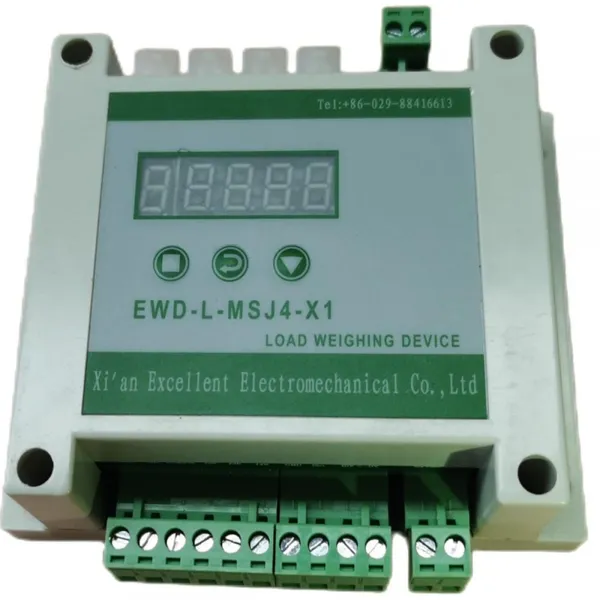 Read More
 -
Elevator Load Sensors: Choosing the Perfect Fit for Your System
October 15, 2025How to Choose the Right Load Sensors for Elevators: A Comprehensive GuideElevator load sensors are critical components that ensure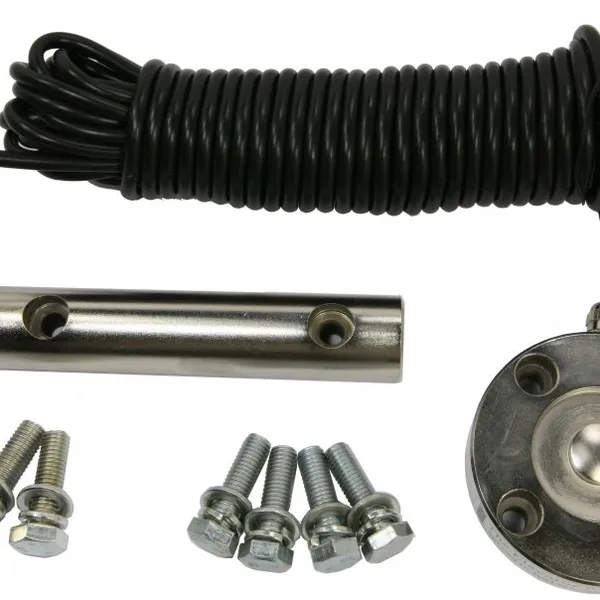 Read More
 -
Top Tips for Finding the Most Cost-Effective Elevator Weight Measurement Systems
October 11, 2025How to Find the Most Cost-Effective Elevator Weight Measurement SystemsWhen it comes to selecting elevator weight measurement syst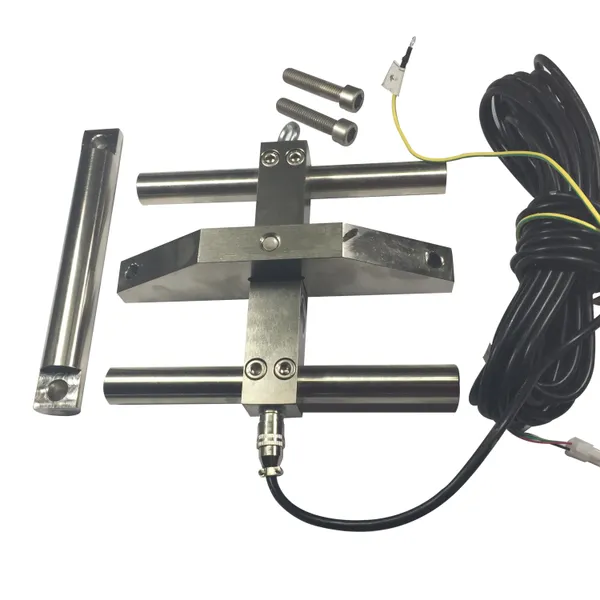 Read More
 -
Enhance Elevator Safety: A Comprehensive Guide to Choosing Weight Measurement Equipment
October 10, 2025How to Choose the Right Elevator Weight Measurement EquipmentElevators are essential components of modern buildings, and ensuring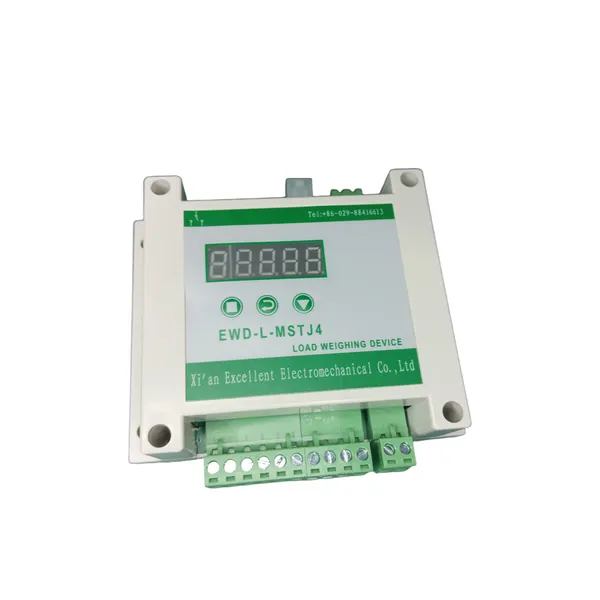 Read More

Contact Us
Recommended Products
-
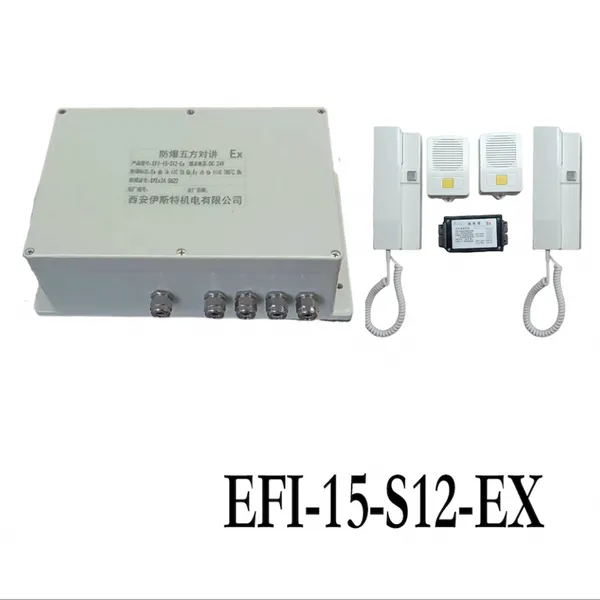
 Elevator Five-Way Intercom System Emergency Telephone Elevator Communication DeviceUS$ 68 - 75MOQ: 1 Set
 -
High Accuracy Elevator Overload Protection System With Load Cell and Weight SensorUS$ 19 - 23MOQ: 1 Set
-
Replacement UC-AP Elevator Load Sensor Full Bridge Load Cell for Elevator Weighing SystemUS$ 175MOQ: 1 Unit
-
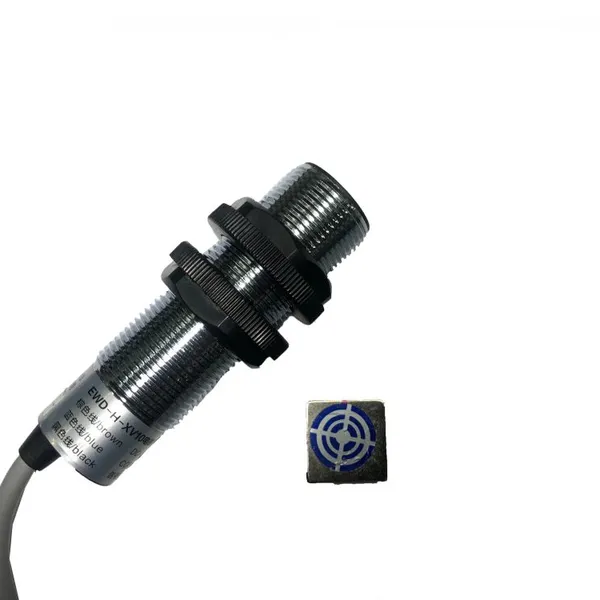
Factory Price Wholesale Elevator Load Weighing Device EWD-H-XV10 High Accuracy/equipment With Integrated Controller and SensorUS$ 40 - 58MOQ: 1 Unit
-
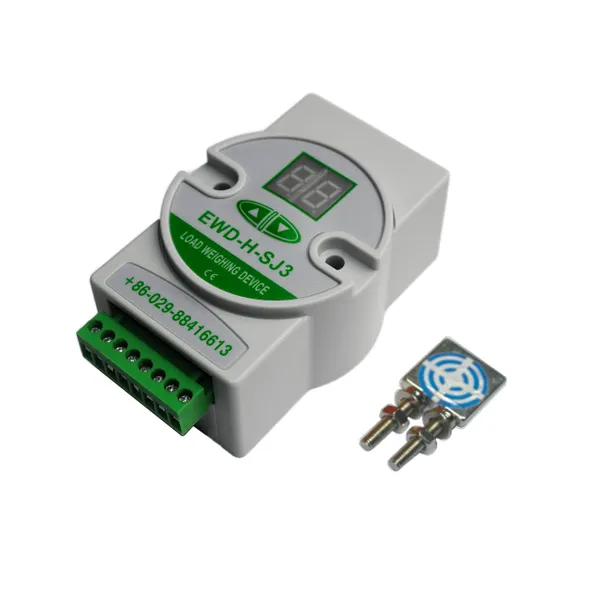
Factory Price Wholesale Elevator Load Weighing Device EWD-H- SJ3 High Accuracy/equipment With Integrated Controller and SensorUS$ 61 - 80MOQ: 1 Set
-
Advanced Elevator Weight Control Sensors With High Accuracy and Field-Adjustable Features (Model:EWD-H-J5)US$ 58 - 76MOQ: 1 Unit
-
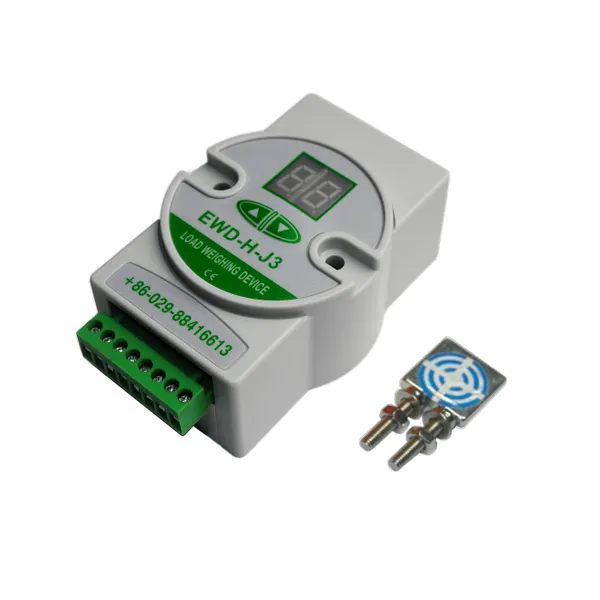
Real-Time Monitoring Elevator Load Sensor (Model: EWD-H-J3) – Customizable & Easy to InstallUS$ 53 - 73MOQ: 1 Unit
-
High Precision Elevator Wire Rope Tension Meter With PC SoftwareUS$ 1925MOQ: 1 Unit
-
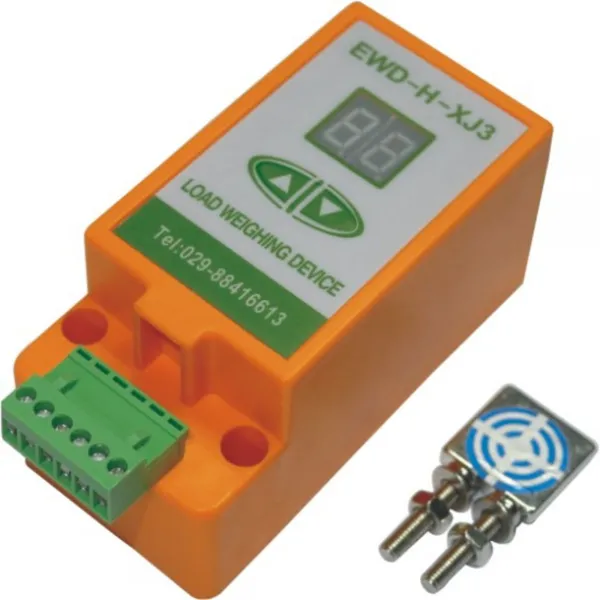
Elevator Load Sensor Elevator Overload Protection Device Lift Weighing System (Model: EWD-H-XJ3)US$ 43 - 65MOQ: 5 Units
-
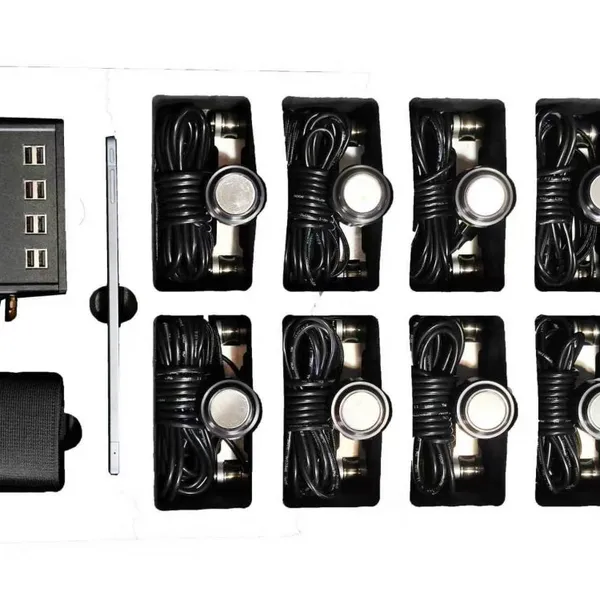
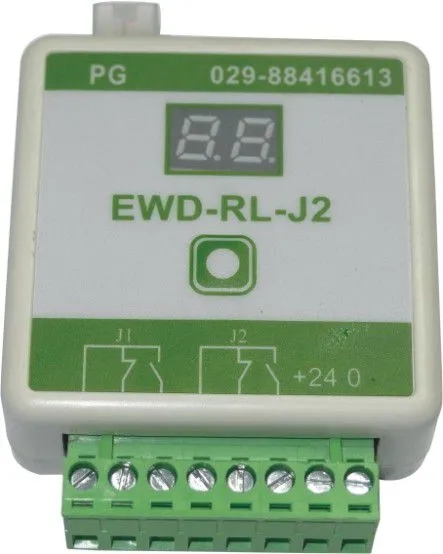
Elevator Weighing Controller Elevator Load Cell(EWD-RL-J2) Weight Detection System /global High Quantity/ISO CEUS$ 78 - 142MOQ: 5 Units

-
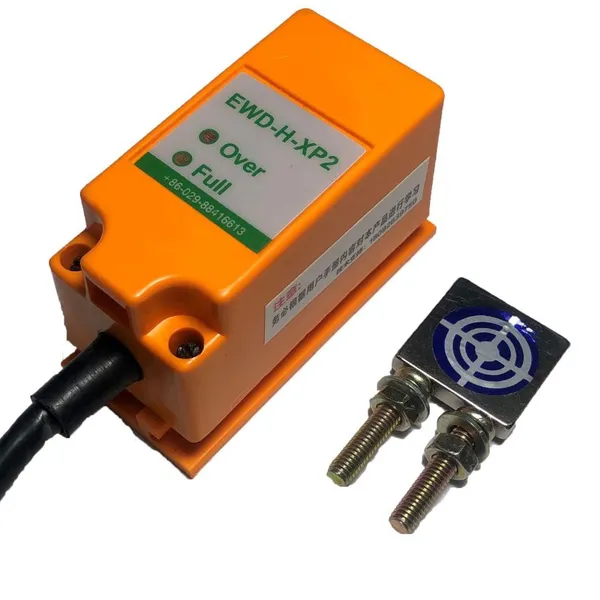
Cost-effective Elevator Weighing Device Lift Load Sensor Elevator Overload Protection System:EWD- H- XP2, On-Site CustomizationUS$ 19 - 24MOQ: 20 Units
-
Wholesale Elevator Load Weighing Sensor (Module:XCL-Y/8625), Simple Structure, Easy Installation, High PrecisionNegotiableMOQ: 5 Units
-
Wholesale Elevator Load Weighing Sensor (XCL-YL/C), Welding, With Simple Structure and Fast Response.,Stock Supports Export to the WorldNegotiableMOQ: 2 Units
-
Factory Direct Sales Elevator Load Cell (XCL- Y/5222) Fast Response TimeNegotiableMOQ: 2 Units
-
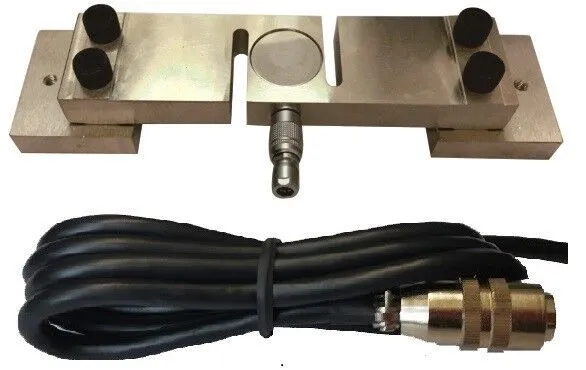
Factory Direct Sales/ Global Wholesale Price/elevator Load Cell(XCL-Y-3411)simple and Easy to Install,NegotiableMOQ: 5 Units
-
Special Sensor for Villa Ladder(XCL-YH/5018) Can be Used With Weighing Controller,with Corrosion ResistanceNegotiableMOQ: 5 Units
-
Factory Price Wholesale Elevator Load Weighing Device EWD-L-MSTJ4 High Accuracy/intelligent Temperature Compensation/ISO/CENegotiableMOQ: 5 Sets
-
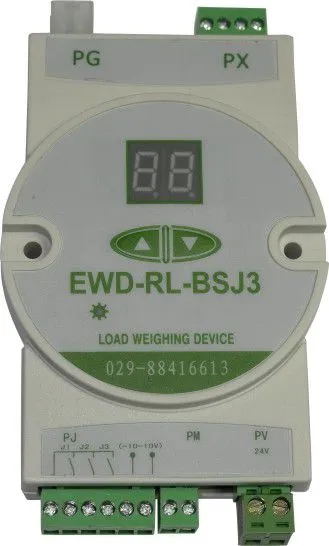
Factory Price Wholesale Elevator Load Weighing Device EWD-RL- BSJ3 High Accuracy/equipment With Integrated Controller and SensorNegotiableMOQ: 2 Sets
-
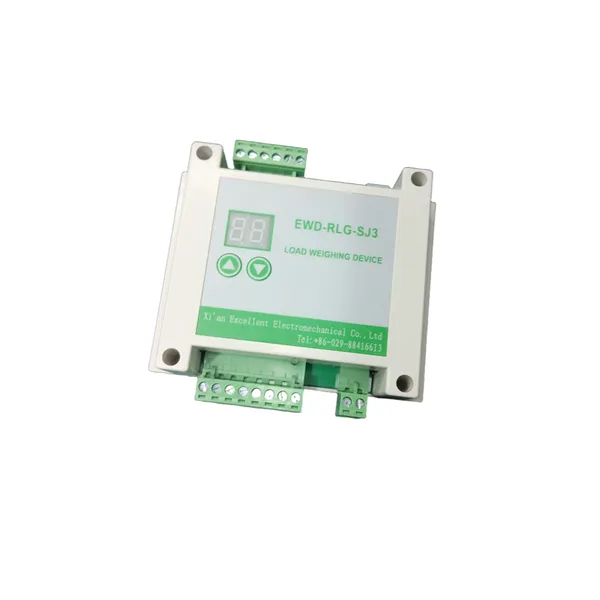
Factory Price Wholesale Elevator Load Weighing Device EWD-RLG-SJ3 High Accuracy/equipment With Integrated Controller and SensorNegotiableMOQ: 5 Sets
-
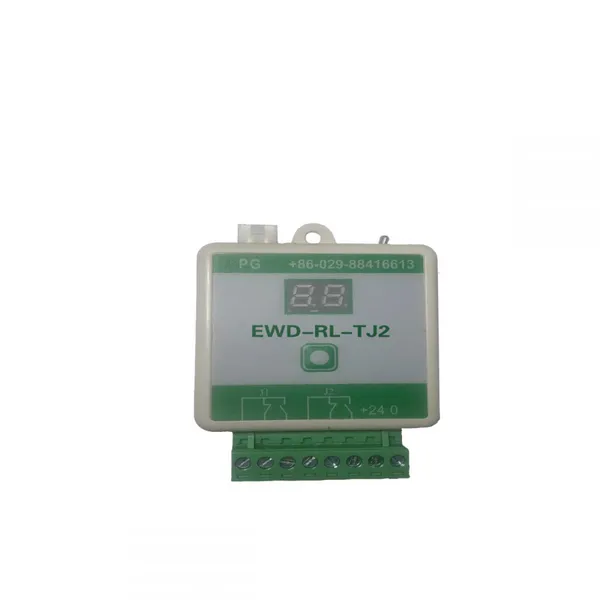
Factory Price Wholesale Elevator Load Weighing Device EWD- RL-TJ2 High Accuracy/ISO/CENegotiableMOQ: 5 Sets