Business License
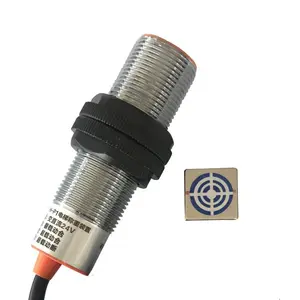
Pressure Sensors: Tailored Solutions for Industry-Specific Needs
Pressure sensors are integral to modern technology, enabling precise measurement and control of pressure in various industries. From industrial automation to medical devices, these sensors play a critical role in ensuring efficiency, safety, and performance. This article delves into the key features of pressure sensors and highlights how customizable design solutions make them indispensable in diverse applications.
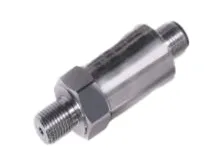
Key Features of Pressure Sensors
High Precision and Accuracy
Pressure sensors are designed to deliver highly accurate measurements, often with an error margin of less than 0.1%. This precision is essential in critical applications such as medical equipment, aerospace, and automotive systems, where even minor inaccuracies can lead to significant consequences.Durability and Longevity
Constructed with high-quality materials, pressure sensors are built to withstand harsh operating conditions, including extreme temperatures, humidity, and vibration. Their robust design ensures a long service life, reducing maintenance and replacement costs.Wide Range of Measurement
Pressure sensors can measure a broad range of pressures, from low vacuum to extremely high pressure. This versatility makes them suitable for industries such as oil and gas, water treatment, and HVAC systems, where varying pressure conditions are common.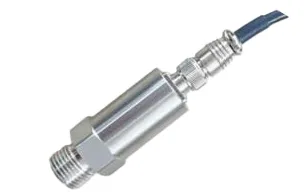
Fast Response Time
With rapid response times, pressure sensors can quickly detect and transmit changes in pressure, enabling real-time monitoring and control. This feature is particularly vital in applications where timely adjustments are necessary to prevent system failure or downtime.Compact and Lightweight Design
Modern pressure sensors are compact and lightweight, making them easy to integrate into space-constrained systems. Their small footprint ensures minimal disruption to existing machinery while maintaining high performance.
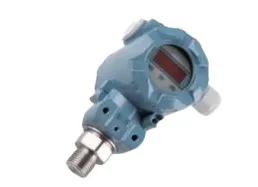
Customizable Design Solutions
One of the standout advantages of pressure sensors is their ability to be customized to meet specific application needs.pplication needs. Customizable design allows manufacturers to tailor sensors to fit unique requirements, ensuring optimal performance and efficiency. Here are some aspects of customizable design:
Material Selection
Pressure sensors can be constructed from various materials, such as stainless steel, brass, or plastic, depending on the application's environmental conditions. For example, sensors used in corrosive environments can be made from corrosion-resistant materials to enhance durability.Custom Interfaces
Sensors can be designed with different output interfaces, such as analog (mV, V, mA) or digital (PWM, SPI, I2C), to seamlessly integrate with existing systems. This flexibility ensures compatibility with a wide range of devices and control units.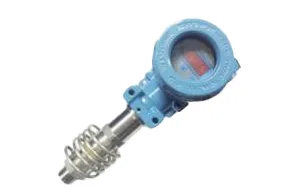
Tailored Pressure Ranges
Customizable pressure ranges allow sensors to be optimized for specific applications. Whether the requirement is for low-pressure sensing in medical devices or high-pressure monitoring in industrial machinery, sensors can be configured to meet exact specifications.Specialized Mounting Options
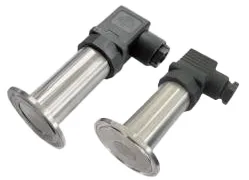
Sensors can be designed with various mounting configurations, such as threaded, flange, or sanitary mounts, to suit different installation requirements. This ensures ease of integration into diverse systems.Customized Enclosures
Enclosures can be tailored to protect sensors from harsh conditions, such as extreme temperatures, dust, or moisture. This ensures reliable operation in challenging environments.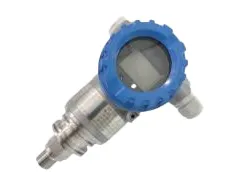
Applications of Customizable Pressure Sensors
The versatility of customizable pressure sensors makes them suitable for a wide array of applications:
Industrial Automation
Monitoring and controlling pressure in manufacturing processes to ensure product quality and system efficiency.Medical Equipment
Precise pressure sensing in devices such as ventilators, blood pressure monitors, and infusion pumps.Automotive Industry
Monitoring tire pressure, fuel pressure, and braking systems to enhance vehicle performance and safety.Aerospace and Defense
Critical pressure monitoring in aircraft systems, missiles, and satellites for reliable operation in extreme conditions.Environmental Monitoring
Measuring pressure in weather stations, underwater systems, and environmental sensors.
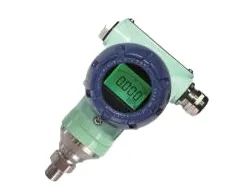 Conclusion
Pressure sensors are vital tools in modern technology, offering high precision, durability, and adaptability to meet the demands of various industries. The ability to customize these sensors further enhances their utility, allowing manufacturers to tailor them for specific applications. By leveraging customizable design solutions, companies can optimize their systems, reduce costs, and improve overall performance.
If you are looking for a reliable and customized pressure sensor solution, consider reaching out to industry leaders who specialize in designing and manufacturing these devices. With their expertise and commitment to innovation, they can provide tailored solutions that meet your unique requirements.
For more information or to explore custom pressure sensor options, contact us today!
website:https://elevatorest.com/
WhatsApp: +86 18092239472
Email:fmssales3@xafms.com
Recently Posted
-
Why Elevator Weight Measurement Equipment Is Essential for Modern Buildings
October 17, 2025Elevators are an essential part of modern buildings, providing efficient vertical transportation in residential, commercial, and i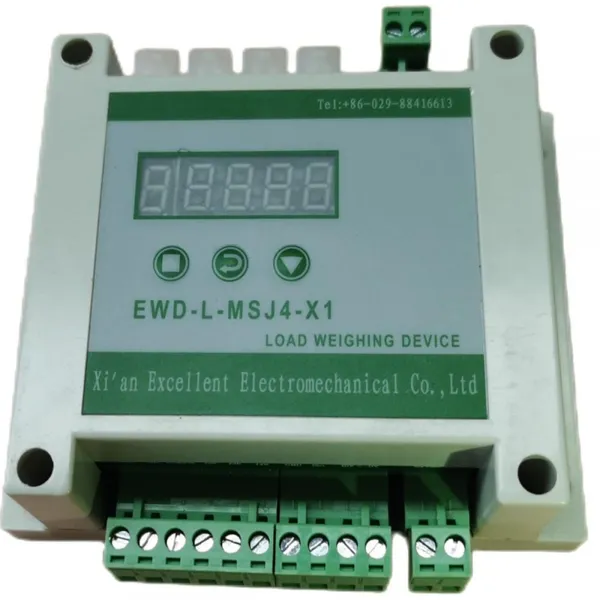 Read More
 -
Elevator Load Sensors: Choosing the Perfect Fit for Your System
October 15, 2025How to Choose the Right Load Sensors for Elevators: A Comprehensive GuideElevator load sensors are critical components that ensure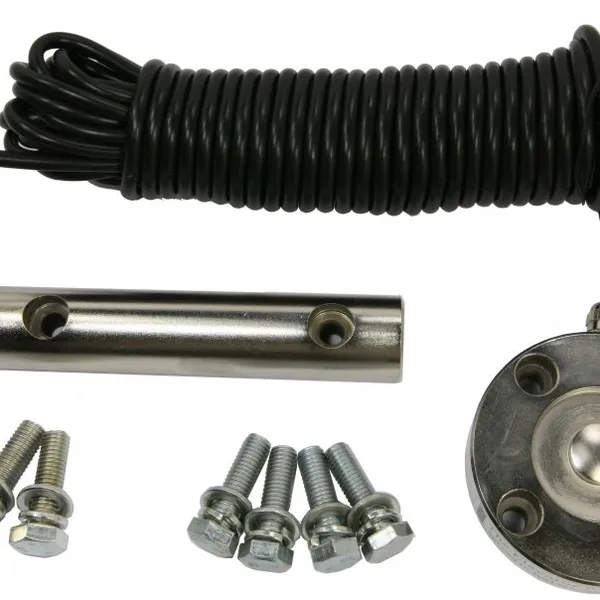 Read More
 -
Top Tips for Finding the Most Cost-Effective Elevator Weight Measurement Systems
October 11, 2025How to Find the Most Cost-Effective Elevator Weight Measurement SystemsWhen it comes to selecting elevator weight measurement syst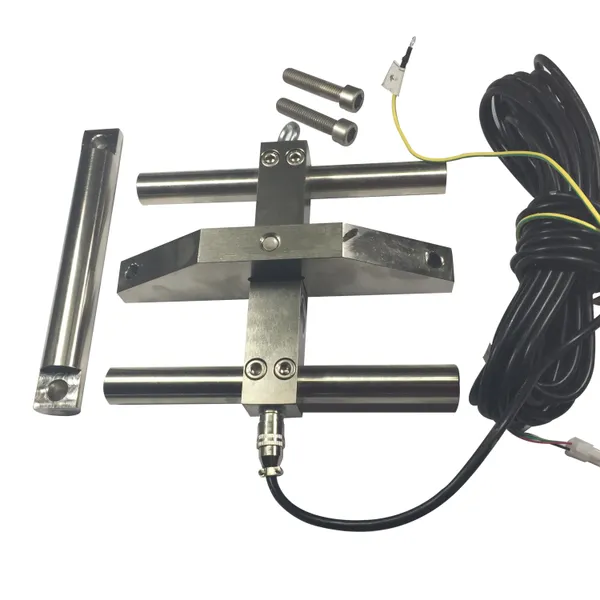 Read More
 -
Enhance Elevator Safety: A Comprehensive Guide to Choosing Weight Measurement Equipment
October 10, 2025How to Choose the Right Elevator Weight Measurement EquipmentElevators are essential components of modern buildings, and ensuring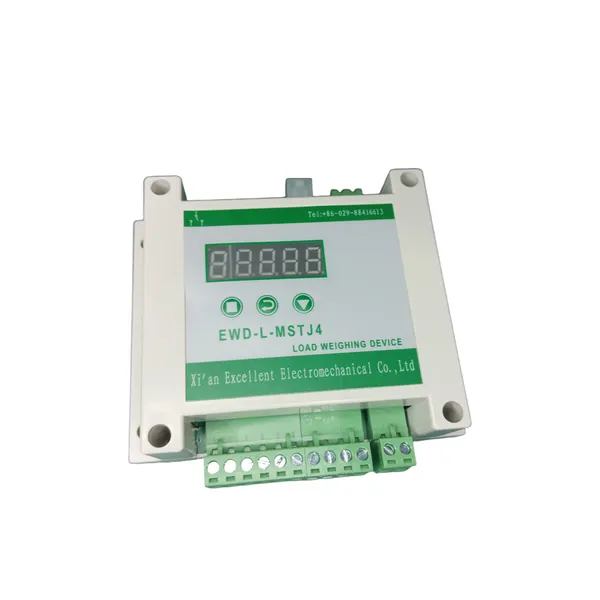 Read More

Contact Us
Recommended Products
-
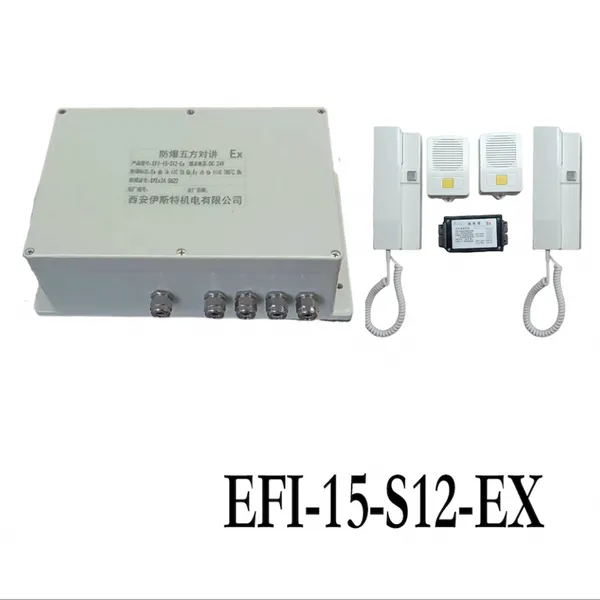
 Elevator Five-Way Intercom System Emergency Telephone Elevator Communication DeviceUS$ 68 - 75MOQ: 1 Set
 -
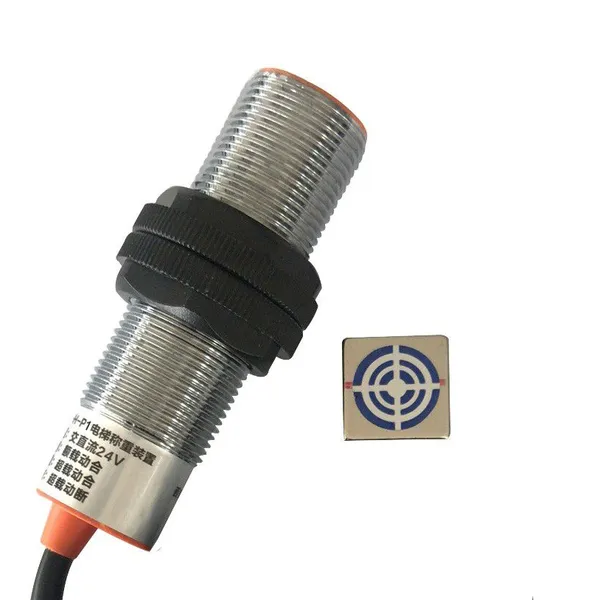
High Accuracy Elevator Overload Protection System With Load Cell and Weight SensorUS$ 19 - 23MOQ: 1 Set
-
Replacement UC-AP Elevator Load Sensor Full Bridge Load Cell for Elevator Weighing SystemUS$ 175MOQ: 1 Unit
-
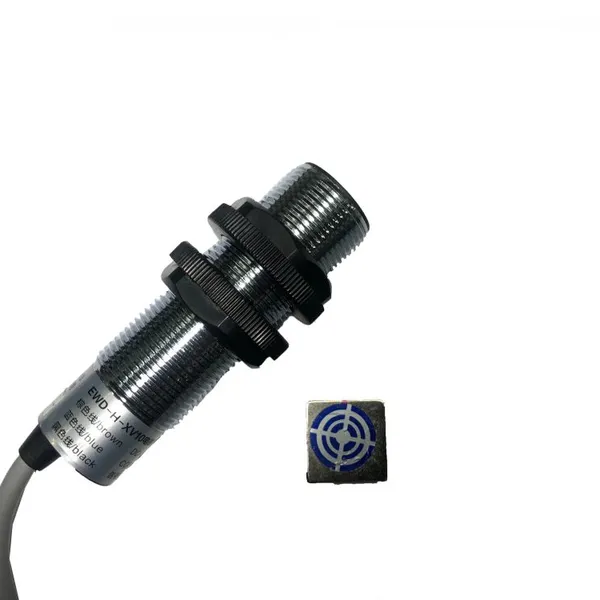
Factory Price Wholesale Elevator Load Weighing Device EWD-H-XV10 High Accuracy/equipment With Integrated Controller and SensorUS$ 40 - 58MOQ: 1 Unit
-
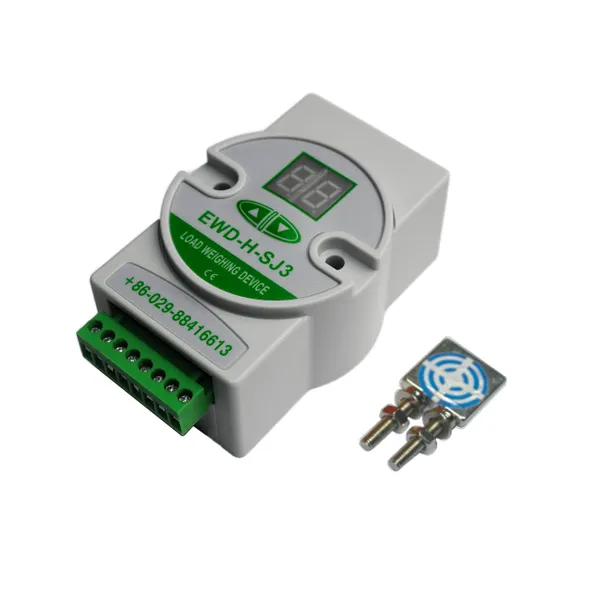
Factory Price Wholesale Elevator Load Weighing Device EWD-H- SJ3 High Accuracy/equipment With Integrated Controller and SensorUS$ 61 - 80MOQ: 1 Set
-
Advanced Elevator Weight Control Sensors With High Accuracy and Field-Adjustable Features (Model:EWD-H-J5)US$ 58 - 76MOQ: 1 Unit
-
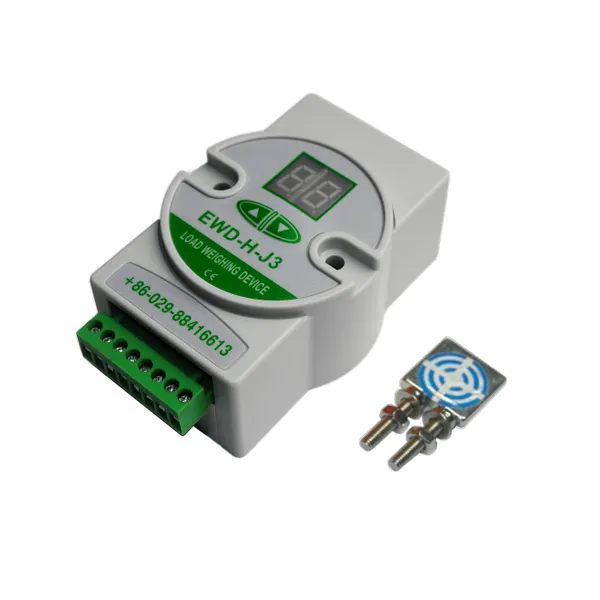
Real-Time Monitoring Elevator Load Sensor (Model: EWD-H-J3) – Customizable & Easy to InstallUS$ 53 - 73MOQ: 1 Unit
-
High Precision Elevator Wire Rope Tension Meter With PC SoftwareUS$ 1925MOQ: 1 Unit
-
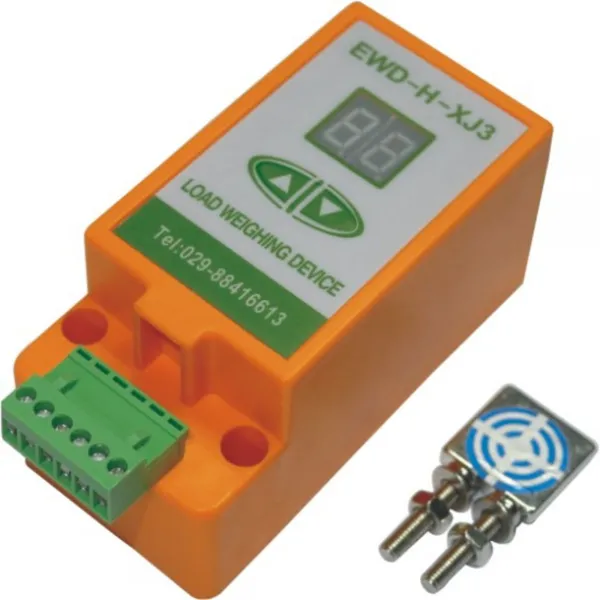
Elevator Load Sensor Elevator Overload Protection Device Lift Weighing System (Model: EWD-H-XJ3)US$ 43 - 65MOQ: 5 Units
-
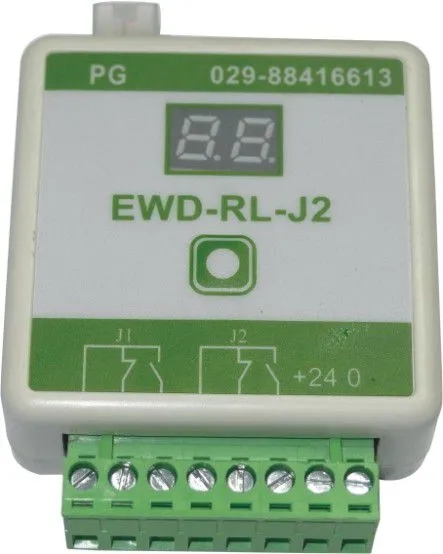
Elevator Weighing Controller Elevator Load Cell(EWD-RL-J2) Weight Detection System /global High Quantity/ISO CEUS$ 78 - 142MOQ: 5 Units

-
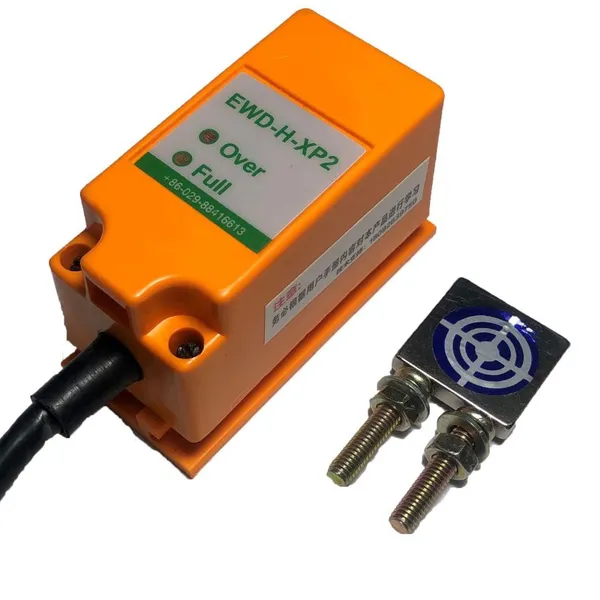
Cost-effective Elevator Weighing Device Lift Load Sensor Elevator Overload Protection System:EWD- H- XP2, On-Site CustomizationUS$ 19 - 24MOQ: 20 Units
-
Wholesale Elevator Load Weighing Sensor (Module:XCL-Y/8625), Simple Structure, Easy Installation, High PrecisionNegotiableMOQ: 5 Units
-
Wholesale Elevator Load Weighing Sensor (XCL-YL/C), Welding, With Simple Structure and Fast Response.,Stock Supports Export to the WorldNegotiableMOQ: 2 Units
-
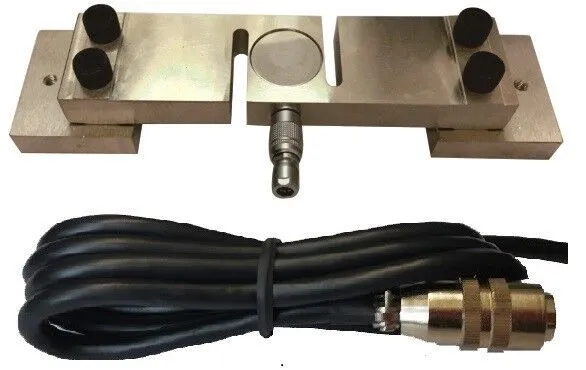
Factory Direct Sales Elevator Load Cell (XCL- Y/5222) Fast Response TimeNegotiableMOQ: 2 Units
-
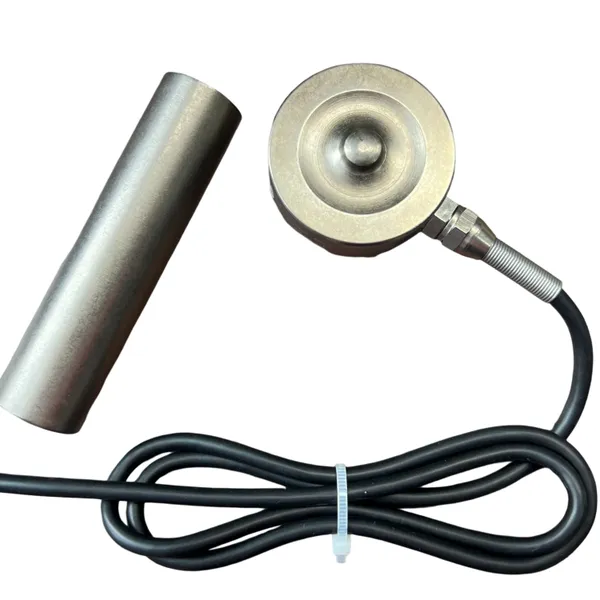
Factory Direct Sales/ Global Wholesale Price/elevator Load Cell(XCL-Y-3411)simple and Easy to Install,NegotiableMOQ: 5 Units
-
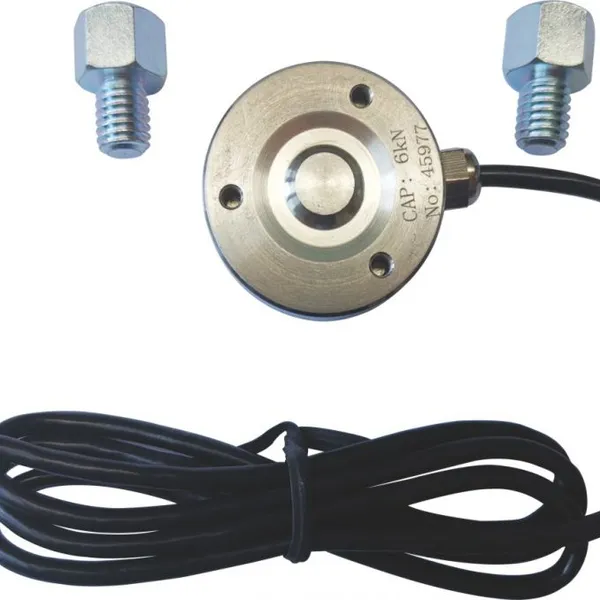
Special Sensor for Villa Ladder(XCL-YH/5018) Can be Used With Weighing Controller,with Corrosion ResistanceNegotiableMOQ: 5 Units
-
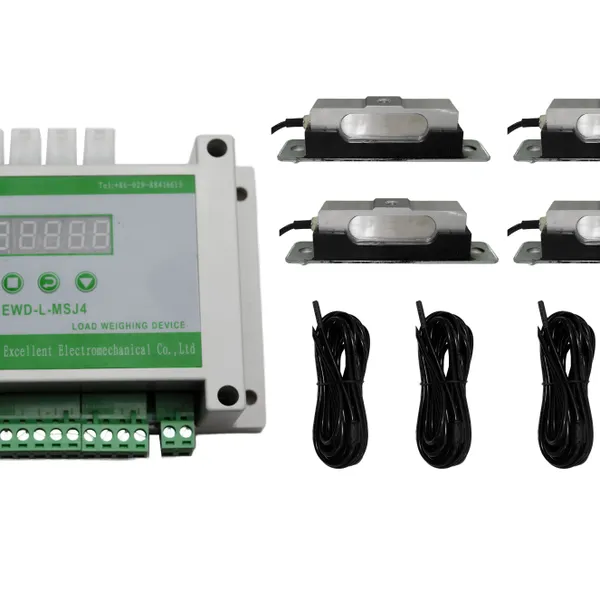
Factory Price Wholesale Elevator Load Weighing Device EWD-L-MSTJ4 High Accuracy/intelligent Temperature Compensation/ISO/CENegotiableMOQ: 5 Sets
-
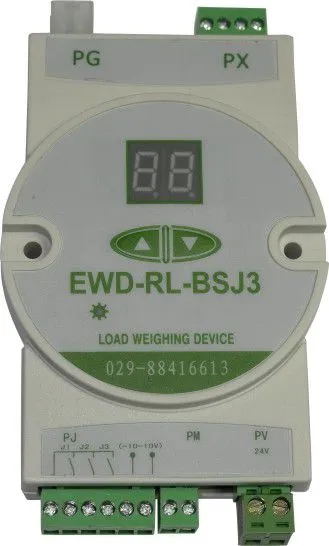
Factory Price Wholesale Elevator Load Weighing Device EWD-RL- BSJ3 High Accuracy/equipment With Integrated Controller and SensorNegotiableMOQ: 2 Sets
-
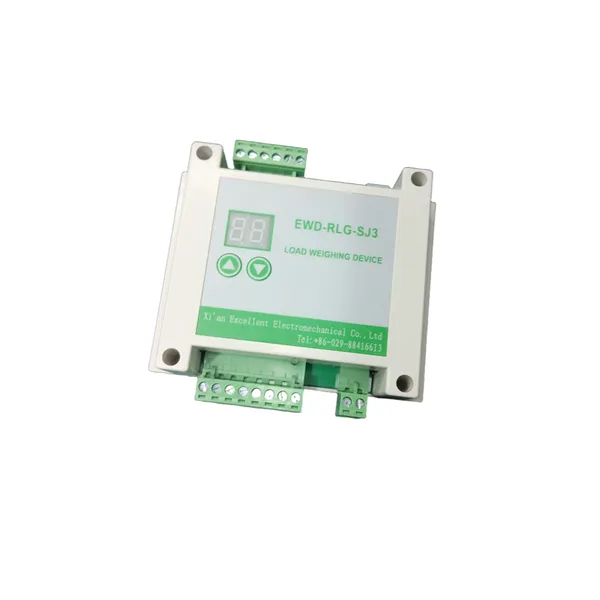
Factory Price Wholesale Elevator Load Weighing Device EWD-RLG-SJ3 High Accuracy/equipment With Integrated Controller and SensorNegotiableMOQ: 5 Sets
-
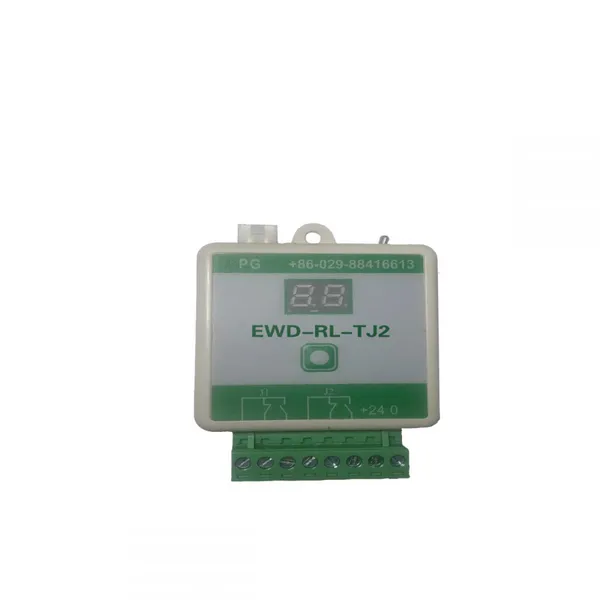
Factory Price Wholesale Elevator Load Weighing Device EWD- RL-TJ2 High Accuracy/ISO/CENegotiableMOQ: 5 Sets